Global Stress Index Reveals World's 8 Most Stressful Cities and Their Key Pressure Points
A new global index by Remitly has analyzed more than 170 cities worldwide to identify which urban centers may be the most stressful places to live today. The study evaluated five measurable factors: average time to travel 10 kilometres, cost of living index, healthcare index, crime index, and average annual pollution levels. Each city was given a stress score out of 10, with higher scores indicating greater overall strain. Here are the eight most stressful cities in the world, according to the index, along with their biggest pressure points.
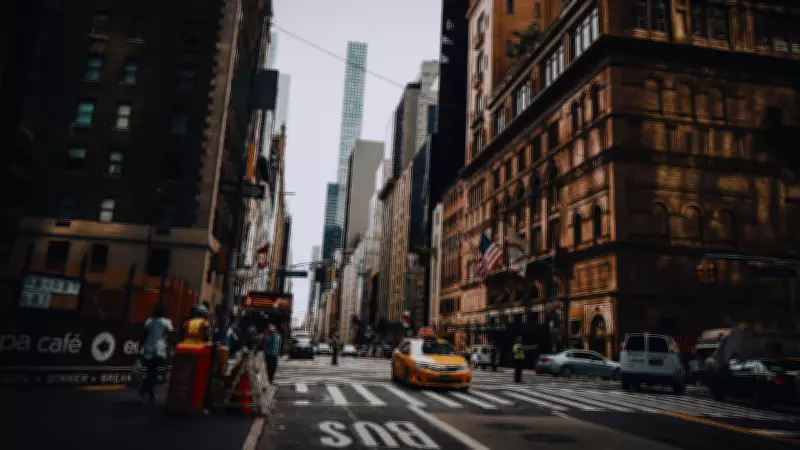
New York City, United States
While New York is renowned for its vibrant pace and opportunities, this dynamism comes with significant stressors. With a cost of living index of 100, it stands as one of the most expensive cities globally, encompassing everything from housing and transportation to dining out. Although the city boasts excellent healthcare services and relatively low pollution levels for its size, financial worries remain a major source of stress. Combined with long working hours, intense job competition, and the challenges of dense population living, the pace of life can be extremely demanding and exhausting for residents.
Dublin, Republic of Ireland
Dublin's expanding technology and financial sectors have bolstered its job market, but this economic success has exacerbated affordability issues. Commute times average about 32 minutes per 10 kilometres, one of the highest figures in Europe, adding to the daily burden for many. Housing pressures are particularly acute, with the house price to income ratio in Ireland estimated to be around 11% above its average level as of late 2024. Rising rents, housing shortages, and infrastructure challenges continue to pose significant problems, especially for the younger generation seeking stability.

Mexico City, Mexico
Home to over 22 million people in its metropolitan region, Mexico City grapples with chronic traffic congestion and stretched infrastructure. Travelling just 10 kilometres can take nearly 32 minutes on average, highlighting the impact of gridlock on daily routines. Concerns around personal safety further intensify the pressure, with a crime index score of 66.8—one of the highest in the ranking. Security remains a regular worry for many residents, compounding the stress from urban overcrowding and logistical challenges.
Manila, Philippines
Manila faces persistent traffic bottlenecks, with a 10-kilometre journey taking close to 32 minutes on average. The limited road network and large number of vehicles make traveling within the Philippine capital region a constant challenge. Safety issues also contribute significantly, as Manila's crime index of 64.6 places it among the more security-sensitive cities in the study. Considering the high population density, these factors create a challenging environment for residents juggling work and family responsibilities, leading to elevated stress levels.
London, United Kingdom
London's international reputation is accompanied by high living expenses and longer commute times. While the quality of healthcare is generally good, the associated costs and urban congestion contribute substantially to stress. The city's dense population and competitive atmosphere further strain daily life, making it a demanding place to reside despite its global allure and cultural offerings.
Milan, Italy
The stress level in Milan is primarily determined by the high cost of living and the pressures of commuting in a major urban center. These factors significantly impact the city's stress ranking, as residents face financial burdens and logistical hurdles in their daily routines. The combination of economic strain and transportation challenges creates a tense environment for those living and working in this bustling Italian metropolis.
Athens, Greece
Athens struggles with economic issues and congestion-related problems that affect the comfort level of living. The cost of living and traffic congestion in the city are key contributors to stress, exacerbated by broader economic uncertainties. These pressures make daily life more challenging for residents, impacting overall well-being and quality of life in the historic capital.

São Paulo, Brazil
The stress level in São Paulo is heavily influenced by traffic congestion, air pollution, and crime rates. As one of the largest cities in the Southern Hemisphere, its sheer size adds to the pressure, with urban sprawl and infrastructure demands creating a complex living environment. These factors combine to make São Paulo a particularly stressful place for its millions of inhabitants.
In summary, this global stress index highlights how factors like commute times, cost of living, crime, and pollution converge to shape urban stress levels. Understanding these pressure points can help policymakers and residents address the challenges of modern city living, aiming for healthier and more sustainable urban environments worldwide.