Beyond its profound religious and historical legacy, the ancient land of Kurukshetra unveils a spectacular natural spectacle every winter. The district's sacred water bodies transform into a bustling hub for thousands of migratory birds, turning the region into a vital winter refuge and a burgeoning paradise for bird enthusiasts.
Sacred Sarovars: A Global Winter Refuge
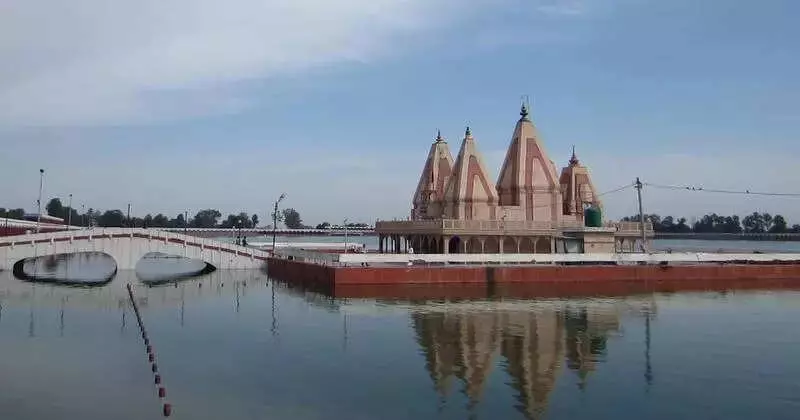
Key pilgrimage sites like Kamyakeshwar Tirtha, Brahmasarovar, and the Golden Jubilee Brahmasarovar Community Reserve in Thana village (Pehowa) play a crucial ecological role. Annually, between October and March, these wetlands welcome avian visitors from distant lands including Central Asia, Siberia, Mongolia, and Kazakhstan.
Professor Deepak Rai Babbar from the Zoology Department of Kurukshetra University explains that the peak season spans November, December, and January. "The arrival and departure schedules vary among species," he notes, adding that the birds return to their native habitats once conditions there normalize. The presence of open water and abundant food makes these sites ideal safe havens for resting and feeding.

A Tapestry of Winged Visitors
During the cold months, observers can easily spot 50 to 60 different species of winter migrants. This seasonal influx significantly enriches local biodiversity and fosters nature awareness among residents and tourists.
PhD Research Scholar Piyush Goyal, a student of Prof. Babbar who has extensively photographed these birds, provided remarkable data. "Over 100 bird species (migratory and local) were recorded at Brahmasarovar across different seasons," he stated. "Meanwhile, more than 150 species were documented at the Golden Jubilee Brahmasarovar Community Reserve. This clearly underscores the exceptional biodiversity and conservation value of these sites."
The avian assembly includes:
- Various ducks like the gadwall, northern pintail, common teal, and tufted duck.
- Water birds such as the ruddy shelduck, northern shoveler, and great cormorant.
- Smaller migrants including wagtails, bluethroats, and flycatchers along the banks.
Of particular significance is the rare black-necked grebe, spotted at Brahmasarovar in previous years. Its presence highlights the high ecological value of the water body and indicates its success as a safe refuge for even rare and sensitive species.
Conservation: The Key to a Sustainable Future
This natural phenomenon positions Kurukshetra as a potential major birdwatching destination in North India. However, its future hinges on sustained conservation efforts. Professor Babbar emphasizes the broader importance: "Sacred ponds, village ponds, and green spaces are always vital for biodiversity, especially for wetland birds. This diversity maintains ecological balance, aids pollination, and supports crucial ecosystem services."
He advocates for community involvement, stating, "Conservation of this biodiversity and avian fauna is the dire need of the hour. Community science and public awareness are now important tools for this mission."
Maintaining the cleanliness and ecological integrity of these revered sarovars is therefore not just a spiritual or environmental imperative. It is a strategic step towards securing Kurukshetra's identity as a haven where history, faith, and thriving nature beautifully converge each winter.