5 Compelling Reasons Why Madhya Pradesh Dominates India's Wildlife Tourism
There are few regions in India where the sheer diversity, density, and dramatic appeal of wildlife tourism rival what is found in the state of Madhya Pradesh. Often celebrated as the "Heart of India," this centrally located state boasts some of the nation's most renowned forests, tiger reserves, and unique wildlife habitats. From dense sal forests and expansive meadows to striking plateaus and river valleys, Madhya Pradesh delivers a comprehensive safari experience that masterfully combines rich biodiversity, excellent accessibility, and notable conservation achievements. Here are five powerful reasons why it emerges as a clear champion in the realm of wildlife tourism.
India's Premier Tiger Stronghold
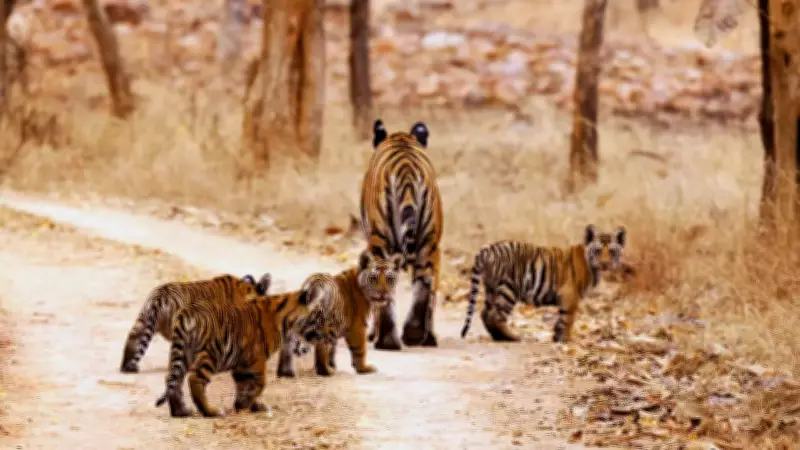
Madhya Pradesh is frequently hailed as India's "Tiger State," a title it earns through impressive numbers and thriving populations. The state hosts some of the highest tiger densities in the country, with world-famous reserves like Kanha National Park, Bandhavgarh National Park, and Pench National Park leading the charge. Bandhavgarh, in particular, is renowned for having the highest concentration of tigers nationwide, significantly boosting the chances of spotting these majestic predators. Kanha offers vast meadows and sal forests that form the quintessential backdrop for tiger safaris, while Pench enchants visitors with its teak forests. For photography enthusiasts and tiger aficionados alike, Madhya Pradesh stands as the ultimate destination to witness the Bengal tiger in its natural environment.
Remarkable Biodiversity Beyond Tigers
While tigers undoubtedly steal the spotlight, the biodiversity in Madhya Pradesh extends far beyond these iconic cats. The state is home to an array of fascinating creatures, including leopards, sloth bears, Indian wild dogs (dholes), gaurs (Indian bison), sambar deer, chital, and over 300 species of birds. A standout conservation success story is the revival of the hard-ground barasingha, or swamp deer, in Kanha. Once teetering on the brink of extinction, this rare subspecies now thrives in the park's protected grasslands. Birdwatchers will find ample opportunities to appreciate diverse avian life, making the region a haven for wildlife enthusiasts of all kinds.

An Extensive Network of National Parks and Reserves
Few Indian states can match the extensive network of protected areas found in Madhya Pradesh. Beyond the famous tiger reserves, notable parks include Satpura National Park, celebrated for its unique walking and boat safaris, and Panna National Park, which has achieved a remarkable tiger resurgence after local extinction. Satpura offers a tranquil alternative to busier parks, allowing visitors to explore forests through walking trails, canoeing along rivers, or traditional jeep safaris. This diversity of experiences cements Madhya Pradesh's status as one of India's most versatile wildlife destinations.
Scenic Landscapes That Elevate the Safari Experience
Wildlife tourism in Madhya Pradesh is not solely about animal sightings; it is an immersive journey into breathtaking, untamed landscapes. The reserves feature rolling hills, misty valleys, riverine forests, and rugged cliffs that enhance the safari adventure. Bandhavgarh's ancient ruins emerging from the forest floor add a historical dimension, while the Satpura hills and deep gorges provide dramatic backdrops. These scenic elements transform a simple wildlife outing into a holistic natural experience, appealing to both adventurers and nature lovers.
Exemplary Conservation and Sustainable Tourism Practices
Madhya Pradesh has established itself as a beacon of wildlife conservation in India. From successful tiger conservation under Project Tiger to species revival programs like the barasingha initiative, the state has consistently championed ecological preservation. Sustainable tourism practices are widely implemented, with many lodges adopting eco-friendly measures that support local employment and community development. This commitment ensures that wildlife tourism benefits both the environment and the people, fostering a model of responsible travel that other regions can emulate.