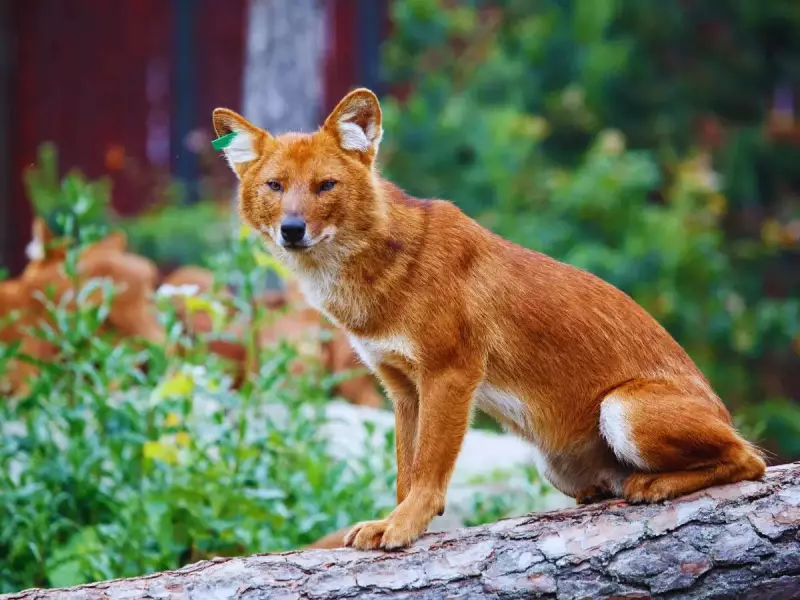
India's wilderness hides one of its most elusive and fascinating predators - the dhole, or Indian wild dog. These fiery-coated creatures with their distinctive black tails and sharp whistle-like calls represent one of the country's most endangered species. Known for their remarkable intelligence and social behavior, dholes hunt in coordinated packs across Asia's forests, though spotting them has become increasingly rare.
The Elusive Hunters of Indian Forests
Dholes stand out not just for their striking appearance but for their complex social structures. These highly intelligent animals form tight-knit family groups that work together to chase prey over long distances. Their survival, however, hangs in the balance as they face the threat of extinction. Encountering a dhole in the wild has become such a rare occurrence that wildlife enthusiasts consider themselves exceptionally fortunate to witness these magnificent creatures firsthand.
Top National Parks for Dhole Spotting
Pench National Park, Madhya Pradesh-Maharashtra offers one of the best opportunities to observe wild dogs in their natural habitat. The park's diverse landscape of dry deciduous forests and wet patches creates perfect hunting grounds for dhole packs. Visitors often spot these creatures around water regions during dawn or dusk safaris. The key to successful sightings lies in seeking guidance from experienced forest guides who know the animals' movements and preferred territories.

Bandhavgarh Tiger Reserve, Madhya Pradesh has witnessed the heartening return of dhole packs after a long absence. While sightings remain rare, recent reports indicate their presence in the Tala and Magadhi zones. The reappearance of dholes in Bandhavgarh underscores the critical importance of landscape connectivity for endangered species conservation. Visitors should consult forest guides about recent dhole activity to maximize their chances of spotting these elusive animals.
Tadoba-Andhari Tiger Reserve, Maharashtra, celebrated for its healthy tiger population, also serves as a natural sanctuary for wild dogs. The reserve's dense teak forests and numerous water bodies provide ideal conditions for dholes to thrive. Early mornings offer the best viewing opportunities when packs move through open forest tracks or gather near waterholes. The combination of diverse wildlife makes Tadoba a prime destination for comprehensive wildlife experiences.
Kanha Tiger Reserve, Madhya Pradesh, the inspiration behind Rudyard Kipling's The Jungle Book, presents excellent dhole spotting opportunities. The vast protected area supports healthy herbivore populations that sustain dhole packs. Visitors often observe these social animals, typically living in family groups of 8-15 individuals, roaming the meadows. Wildlife enthusiasts should consider multiple safaris over several days to improve their chances of encountering these dynamic predators.
Southern Stronghold for Wild Dogs
Nagarhole National Park, Karnataka forms part of the Nilgiri Biosphere Reserve and represents one of the best-preserved forest ecosystems in the Western Ghats. Together with adjoining Bandipur, Wayanad, and Mudumalai reserves, it creates a vast, continuous forest landscape where dholes thrive. Wildlife photographers have captured incredible scenes of dholes demonstrating their legendary boldness and teamwork during hunts. Packs can sometimes be seen resting along the Kabini backwaters, though sightings remain unpredictable.
The conservation of dholes across these national parks highlights India's commitment to protecting its endangered wildlife. Each sighting not only provides thrill to wildlife enthusiasts but also represents hope for the survival of these remarkable predators. As you plan your wildlife adventures, remember that patience and persistence often reward visitors with unforgettable encounters with India's most elusive wild dogs.