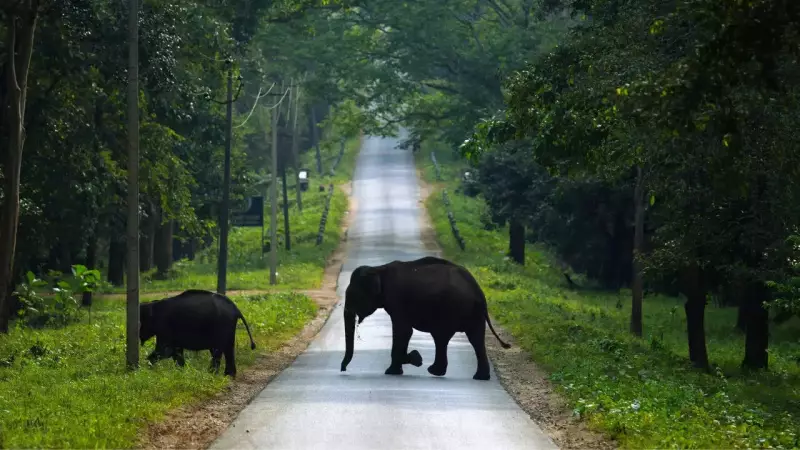
One of India's most humbling natural spectacles is observing a herd of wild Asian elephants moving silently through dense forests or grazing in sun-dappled meadows. The month of January presents a prime opportunity for such encounters, as the pleasant winter weather coincides with peak safari season, making it easier to spot these gentle giants in their natural habitats.
Prime Elephant Habitats Across India
India is proud to host the world's largest population of wild Asian elephants. Their domains stretch across the country, with significant concentrations in the southern, northeastern, and central forest belts. These regions offer some of the most rewarding and consistent elephant-viewing experiences for wildlife enthusiasts. Here is a detailed guide to five of the best Indian forests to visit in January for a chance to witness these magnificent creatures.
Nagarhole Tiger Reserve, Karnataka
Nagarhole, a vital part of the Nilgiri Biosphere Reserve, ranks among India's finest elephant habitats. Its landscape of moist deciduous forests, teak plantations, and riverine grasslands forms a crucial segment of the Nilgiri–Eastern Ghats elephant corridor. This supports large, resident elephant populations. Visiting in January is highly recommended. As winter sets in, elephants are frequently spotted near the Kabini backwaters, in forest clearings, and along common safari routes. Visitors might witness large herds, led by experienced matriarchs, grazing, bathing, or even crossing roads within the reserve.

Periyar Tiger Reserve, Kerala
Nestled in the Western Ghats, Periyar is not only stunningly beautiful but also a prime sanctuary for Asian elephants. Its evergreen and semi-evergreen forests surround the Periyar Lake, which becomes a major attraction for wildlife during the dry winter months when other water sources diminish. The January weather is amicable, with clearer visibility in the forest, enhancing chances of sightings. Elephants are often seen in groups around the lake shores, in grasslands, and within the forests during the early morning or late afternoon hours. A unique feature here is the opportunity to take boat rides on Periyar Lake for a different perspective on elephant watching.
Kaziranga–Karbi Anglong Landscape, Assam
While globally famed for the one-horned rhinoceros, Kaziranga National Park is also a significant elephant range. The combined Kaziranga and Karbi Anglong landscape supports a healthy population that migrates seasonally between floodplains and forested hills. January is an excellent time to explore this region. The monsoon floodwaters have receded, and the terrain becomes accessible, allowing elephants to venture into open spaces and forest edges. Jeep safaris in the western and core ranges of Kaziranga offer good elephant-spotting opportunities, while the adjacent Karbi Anglong ranges provide a more densely forested setting.
Mudumalai Tiger Reserve, Tamil Nadu
Located at the tri-junction of Tamil Nadu, Karnataka, and Kerala, Mudumalai is another key component of the Nilgiri Biosphere Reserve. It acts as a major migration corridor for elephants moving between Bandipur, Nagarhole, and Wayanad. During January, the terrain tends to be dry, and vegetation is sparse, which significantly improves visibility for locating elephants. Herds commonly gather near watering holes, forest paths, and bamboo patches. Its connectivity with other large reserves increases the likelihood of encountering substantial elephant herds during a visit.
Wayanad Wildlife Sanctuary, Kerala
Wayanad serves as a critical ecological link between the Bandipur and Nagarhole reserves, forming part of one of India's most important elephant corridors. The sanctuary's forests blend into coffee plantations, hills, and valleys, creating a mosaic landscape highly favoured by elephants. January is a favourable season for sightings here, as elephants roam freely in both forested and grassland areas. Successful spotting often occurs along forest roads, beside water bodies, and at the edges of plantations, particularly within the Muthanga and Tholpetty ranges of the sanctuary.

In conclusion, January stands out as a premier month for wildlife tourism focused on Asian elephants in India. The combination of comfortable weather, increased animal visibility due to drier conditions, and the operational peak of winter safaris makes it an ideal time to plan a visit to these spectacular reserves. Each forest offers a unique backdrop and experience, promising unforgettable moments in the presence of one of nature's most majestic creatures.