If you have been doomscrolling Instagram lately, you probably have caught a glimpse of a viral clip showing a biker stopped in his tracks by the cutest 'toll booth' gang in India. The video, shared by Wanderlust Nomad, is too cute to skip. It shows a traveler riding a red motorcycle down a dusty mountain trail, suddenly blocked by local kids who greet him in Nepali, 'mala lai de' (give me). They are not causing trouble; they are just collecting their tax to let him pass. The going rate is a packet of Parle-G or Milk Bikis. The kind-hearted biker, caught off guard, laughs and admits he is out of biscuits, pulling out chocolates from his backpack. When he asks one little boy his name, 'Aarush,' the kid says innocently. Taking the chocolate, they divide the loot fairly and wave him on his way.
The Magic of Zanskar Valley
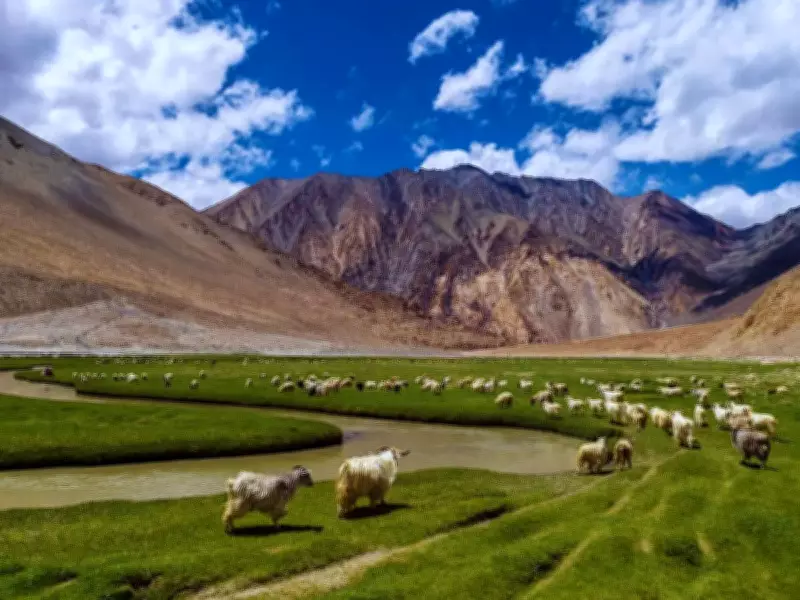
The internet collectively melted, and rightly so. This candid moment captures the warmth of Himalayan culture and the unique connections adventure riders make with remote mountain communities. Beyond the video, the wild, barren backdrop of Zanskar Valley in Ladakh shines. If watching that clip gave you an instant itch to pack your bags, you are not alone. Here is a deep dive into the region where that magic happened and how you can map out the trip of a lifetime.
The Unfiltered Reality of Zanskar
For years, Zanskar was the wild child of Ladakh that nobody really talked about. While tourists took selfies at Pangong Lake or rode camels in Nubra Valley, Zanskar sat quietly tucked away in Kargil district. Heavy winter snow erases its roads for about six months every year. When you get there during summer, the landscape hits you hard: high-altitude desert, massive mountains, endless dusty plains, and a bright sky. But what really sticks is the people. The region follows Tibetan Buddhism, and surviving in isolation has baked a deep sense of community into local DNA. That easy warmth in the viral video is not a one-off; whether kids playfully ask for a toll or a family waves you over for butter tea, hospitality here is genuine.

How to Reach
The video makes you want to drive a two-wheeler, but you do not need to be a hardcore biker for a Zanskar trip. It is an epic route for families, friends renting an SUV, or anyone who loves a road trip. You can drive straight into Zanskar from the Manali-Leh highway, crossing the newly opened Shinku La pass. Rent a solid 4x4 in Manali, and you have a highly accessible adventure with river crossings and rolling bends to keep your heart racing.
What to Do When You Get There
Once you roll into Padum, the main town, use it as your basecamp. The scale is massive; for the real Zanskar experience, hike to the Honeycomb Monastery. If you have time for one major detour, point your compass toward Phugtal Monastery, one of the few monasteries in Ladakh reachable only by hiking. The trekking trail is quiet and peaceful. Head to older villages like Stongdey or Karsha and find a local homestay. This is where you get the real deal: eating home-cooked Ladakhi meals, sitting around a bukhari (traditional wood-fired stove) while the host tells stories, and waking up to the sun hitting the Zanskar range outside your window.
A Reality Check on Responsible Travel
Let us circle back to those kids and their biscuit toll. It is undeniably cute, but it is also a reminder to tread lightly in remote zones. Throwing plastic-wrapped snacks out of a car window leaves trash in an ecosystem without garbage trucks, and it accidentally normalizes begging among children who should be in school. If you want to be a responsible traveler, eat at small family dhabas, pay fair rates for homestays, and buy local crafts directly from makers. Zanskar is one of the last spots on the map that feels entirely raw and unfiltered. Brave the dirt roads, roll down your windows, and talk to the locals; the valley will steal your heart.