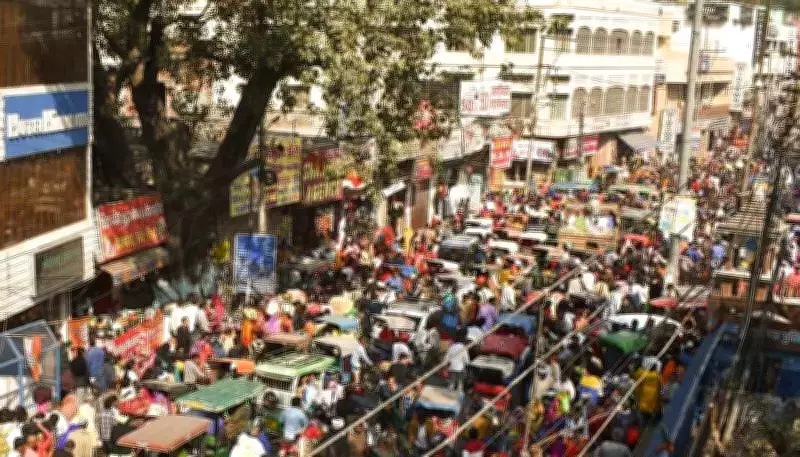
Severe Traffic Gridlock Plagues Rishikesh and Haridwar
Rishikesh and Haridwar are currently grappling with intense traffic congestion, characterized by daily long queues of vehicles, especially during weekends and peak tourist seasons. This persistent issue has become a major concern for residents, tourists, and local authorities alike.
Worst-Affected Areas in Rishikesh
In Rishikesh, several key areas are experiencing severe bottlenecks. These include Nepali Farm, Shyampur Junction, Kora Devi Chowk, Jai Ram Ashram More, Chandrabhaga Bridge, Khara Shroth, Indramani Badoni Chowk, Tapovan Road, and the Tapovan–Lakshman Jhula stretch. Social activist Ratan Mani Dobhal highlighted that the problem has intensified over recent years due to a significant surge in tourists and pilgrims. They visit for activities such as rafting, yoga, camping, and other adventure pursuits.
"Traffic congestion has increased significantly in the Rishikesh and Tapovan region," Dobhal told TOI. "There is only one route to reach Tapovan, which leads to massive jams not only during the Char Dham yatra and summer season but even on weekends." He added that tourists from Delhi-NCR and other parts of Uttar Pradesh now frequently visit, further straining the road infrastructure.

Proposed Solutions and Ongoing Challenges
To address this growing issue, the National Highways Authority of India (NHAI) has proposed a 12-kilometer four-lane bypass from Teen Pani to Tapovan. This project is expected to alleviate congestion in Rishikesh by providing an alternative route. In Haridwar, which previously faced similar traffic problems, conditions improved after the construction of a four-lane highway. However, congestion persists during bathing festivals like the Kanwar Mela and in the summer season.
Several bottlenecks remain in Haridwar at locations such as Jawalapur Red Light, Sankar Ashram area, Singh Dwar region, and the Saptrishi inner route. Social activist JP Badoni emphasized that road widening alone is insufficient. "Despite the four-lane road, traffic problems remain. The number of four-wheelers is increasing day by day, and road widening alone will not solve the issue in the long run," he stated. Badoni suggested that connecting Haridwar, Rishikesh, and Dehradun through a metro rail network could provide a more sustainable solution to ease traffic congestion.
Police Efforts and Management Strategies
Police officials are actively working to manage the situation, though challenges persist due to a lack of basic facilities. "Additional police teams have been deployed at identified bottlenecks on highways and within the city," said SP Haridwar Abhay Singh. "Routes are diverted during bathing festivals, and heavy vehicles are restricted from entering the city." These measures aim to mitigate congestion, but long-term infrastructure improvements are deemed necessary for lasting relief.
The traffic woes in these spiritual and tourist hubs underscore the need for integrated transport planning. As visitor numbers continue to rise, effective solutions like the proposed bypass and potential metro rail connections will be crucial in ensuring smoother travel and enhancing the overall experience for all.