Summer Tyre Safety: How to Prevent Punctures and Bursts on Indian Roads
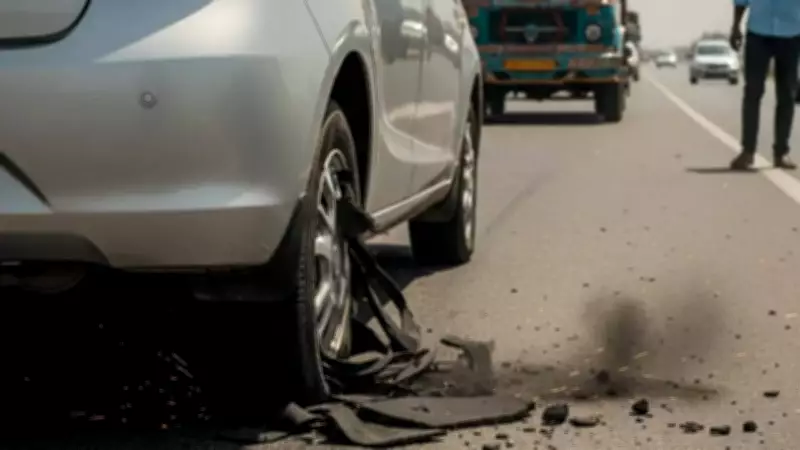
Every summer, tyre-related incidents become increasingly common on Indian roads, posing significant risks to drivers. Many motorists experience sudden punctures or even catastrophic tyre bursts, particularly during long highway journeys. In most cases, the primary culprits are extreme heat and inadequate tyre care, making this a critical safety issue that demands attention.
The Impact of Extreme Heat on Tyres
In numerous regions across India, temperatures routinely exceed 40 degrees Celsius during the summer months. The road surface can become even hotter, creating a harsh environment for vehicles. When a car operates continuously under these conditions, heat accumulates inside the tyres, causing air pressure to rise and the rubber to soften and weaken. If a tyre is already worn or damaged, the likelihood of failure escalates sharply, leading to potentially dangerous situations.
Key Factors Contributing to Tyre Failures
Incorrect Air Pressure: One of the most prevalent reasons behind tyre bursts is improper air pressure. Many drivers unknowingly operate their vehicles with tyres that are either overinflated or underinflated, both of which pose serious risks in summer. Overinflated tyres are especially vulnerable as temperatures increase, causing the air inside to expand and pressure to build up, which can result in a sudden burst. Conversely, underinflated tyres flex more during rotation, generating excessive heat that weakens the tyre structure over time.

Aging Tyres: Old tyres represent another common hazard. Even if a tyre appears usable externally, rubber deteriorates with age, and in India, it is not uncommon to find cars running on tyres that are five or six years old. Such tyres are more prone to failure in hot weather. Warning signs like small cracks on the sidewall, bulges, or uneven wear should never be ignored, as they indicate potential weaknesses.
Overloading and Speed: Overloading vehicles, often during family trips with packed boots and cabins, places additional stress on tyres, leading to extra heat and increased workload. Maintaining loads within recommended limits can mitigate this risk. Speed also plays a crucial role; higher velocities mean more rotation and heat generation, making long highway drives in the afternoon sun particularly taxing on tyres. Taking short breaks allows tyres to cool down and reduces the risk of overheating.
Essential Maintenance Practices
Regular Inspections: Routine checks are vital but frequently overlooked. Minor issues such as small nails or cuts can weaken tyres, and in hot conditions, these weak spots may fail without warning. A quick inspection every couple of weeks, especially before long trips, can help identify problems early.
Wheel Alignment and Balancing: Many drivers neglect wheel alignment and balancing, which are crucial for tyre health. Poor alignment causes uneven wear, and worn-out patches heat up faster, increasing the risk of failure. Regular servicing ensures tyres remain in optimal condition, enhancing safety and longevity.
By adhering to these guidelines, drivers can significantly reduce the risk of tyre-related incidents, ensuring safer journeys during India's scorching summers.