A few years ago, during the Diwali long weekend, I was completely burnt out in Delhi. Work had reduced me to a machine — wake up, commute, work, repeat. That evening, I reached home around 5 pm, exhausted in a way sleep could not fix.
I don’t know what came over me, but I suddenly started packing an overnight bag. A few clothes, toiletries, comfortable walking shoes, and trekking clothes went in. Ten minutes later, I had booked a cab to ISBT Kashmiri Gate.
On the ride there, reality struck me: I had no plan. No bookings, no destination, no idea what I was doing. Somewhere in traffic, I opened Google and searched for last-minute escape places. By the time I reached ISBT, I had decided on Himachal Pradesh. About an hour and a half later, I was standing outside the Himachal Road Transport Corporation counter, buying a ticket to Dharamsala.

That was it. No preparation, no strategy, no sensible thought process. I was going to Dharamsala and would figure the rest out later.
The overnight HRTC bus ride was uncomfortable. Sleep arrived in broken fragments, my neck twisted into impossible positions, and my legs forgot what circulation felt like. After what felt like a lifetime, the bus pulled into Dharamsala in the early morning — perhaps twelve or thirteen hours later. I was too busy slapping my numb thighs awake after the freezing night journey.
But the moment I stepped out, it all felt worth it. The Dhauladhar range stood in front of me like something painted by an overenthusiastic artist. The cold mountain air snapped me awake more effectively than coffee ever could. Around me, taxi drivers were in full form, trying to gather tourists into their vehicles. I stood there in the middle of all that chaos thinking, if only I knew.
I had come all the way to Dharamsala with zero preparation, so I decided to commit to the chaos. I got into a shared cab with a few other tourists. Apparently, I was heading to Bhagsu. I knew of Bhagsu from years of travel writing, but I had never visited it alone.
A fellow traveller from Delhi asked if I wanted to join him for the Triund trek. Under normal circumstances, maybe. But I had escaped Delhi to recover from exhaustion, not to punish my legs. I politely declined.
Then another problem hit me: I still had no accommodation. I began frantically checking hotel and homestay listings online. Everything was full. It was the festive long weekend, of course it was full. Normally, panic should have set in. Strangely, it didn’t. I was too tired to panic.
When the shared cab dropped me at Bhagsu taxi stand, I started walking around with my overnight bag, convinced that surely not every stay would be listed online. That instinct turned out to be correct. I found a narrow lane leading to a small gate and silently prayed it was a homestay. It was, apparently — just not that year. An elderly Himachali lady came out and asked what I wanted. I asked if she had a room for one night. She told me their homestay wasn’t operational that season. Then she looked at me properly — a lone traveller, visibly exhausted, dark circles making a strong argument for humanitarian aid — and said I could stay in their spare room if I managed my own meals. For INR 500 a night, I suddenly had a place to stay.
That room changed my entire trip
After settling in, I went to the local market and ate a hearty meal of soup dumplings and spring rolls. Then I returned and did something tourists rarely do in hill towns: absolutely nothing. I lay down to rest. The aunty asked why I was back so early instead of exploring like everyone else. I told her honestly that I had no desire to climb hills, visit temples, shop for souvenirs, or chase cafés serving food I could easily get in Delhi. I didn’t know why I had come. I only knew I needed rest. She nodded as if that made perfect sense. Then she told me to bring a mudha — a small stool — and sit with her in the courtyard.

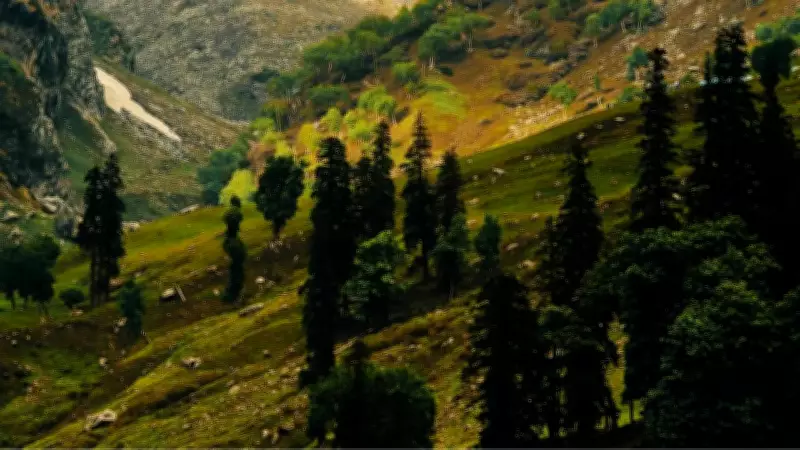
That courtyard became my sanctuary. In front of us was a massive hill wrapped in drifting fog. Around us stood traditional Himachali homes with slate roofs and tiny balconies. We sat in the sun, cleaning saag and leafy greens. She asked about my life in Delhi and told me about hers in Bhagsu with her husband. She looked to be in her early sixties, strong and practical in the way mountain women often are. Later, she walked to her kitchen garden to collect beans and motioned for me to join her. So I did. I stood there in borrowed peace, picking beans with a woman I had met only hours earlier.
That evening, as I was about to head to the market for dinner, she asked if I would like to taste her homemade food. I assumed she meant a small portion. Instead, she arrived with a full plate of piping hot food and homemade pickles. I wasn’t tasting dinner. I was having dinner with them.
My one-night stay became three days. Those three days were gloriously uneventful. I helped pick vegetables, sat in the courtyard while she cleaned greens, watched fog move across the mountains, listened to village sounds, and slept better than I had in months. No itinerary, no sightseeing checklist, no pressure to make the most of a destination.
Eventually, three days later, with beans packed into my bag and a surprisingly emotional goodbye behind me, I boarded my bus back to Delhi. Also, the aunty would not accept any money from me and just told me to visit again.
People often ask what I did in Dharamsala and McLeodganj. The answer is: absolutely nothing. And by doing the exact opposite of what tourists are expected to do, I ended up having one of the best holidays of my life.