Seychelles' Fruit Culture: Beyond Tropical Beaches to Living Island Flavors
In the Seychelles archipelago, fruits transcend mere side dishes to become central characters in the island experience. Visitors often don't realize it immediately, but these vibrant edibles appear everywhere—from leisurely breakfast spreads where fruit platters glow with unnatural brightness to roadside stalls where vendors casually slice open unfamiliar specimens.
What begins as casual curiosity—"let me just try this"—rapidly evolves into genuine wonder—"wait, what is this?"—before quietly integrating into how travelers perceive these Indian Ocean islands. Between that initial sip of fresh coconut water and a tangy lime wedge offered with a warm smile, a subtle transformation occurs.
The Unfamiliar Fruits That Define Seychelles
Canistel (Eggfruit)

Canistel presents a delightful contradiction. Its appearance suggests juiciness, yet the texture proves dense and substantial—reminiscent of a perfectly boiled egg yolk. While mildly sweet and not instantly captivating, this fruit shines when incorporated into smoothies or desserts, where its texture transforms into something smoother and more harmonious.
Sea Grapes
These delicate fruits appear almost too beautiful to consume—tiny green beads clustered together like natural pearls. However, biting into them releases a light, salty freshness that evokes the ocean's essence in edible form. Typically found near coastal areas, sea grapes possess an uncanny ability to taste precisely like their surroundings.
Zanbroza (Ambarella)
Zanbroza delivers crisp, tangy satisfaction with a slightly fibrous texture that provides a sharp flavor burst capable of awakening any palate. Often consumed raw—sometimes accompanied by salt or chili—this fruit offers Indian travelers comforting familiarity while simultaneously feeling entirely novel within its tropical context.
Breadfruit
Breadfruit's humble appearance belies its culinary importance throughout Seychellois cuisine. Once cooked, it becomes soft, warm, and profoundly comforting—occupying a delightful middle ground between potato and fresh bread. Typically served alongside grilled fish or within traditional Creole curries, breadfruit functions less as novelty and more as dietary staple.
Local lore maintains that consuming breadfruit in Seychelles guarantees your return—a belief residents share with quiet conviction. Whether fried, roasted, or transformed into chips, this versatile fruit gradually becomes a favorite among visitors.
Jaboticaba
Jaboticaba offers quietly fascinating botanical spectacle, with fruits growing directly on the tree trunk to create surreal visual displays. Small, dark, and glossy, these berries burst with mildly tart yet sweet flavors when bitten—playful, unexpected details that encourage travelers to pause and appreciate nature's creativity.
Soursop
Soursop emphasizes texture above all—soft, creamy, and slightly fibrous, with richness sufficient to qualify as dessert. Its flavor balances sweet and tangy notes, typically enjoyed fresh or as chilled juice—perfect accompaniment for warm, unhurried afternoons.
Familiar Fruits with Tropical Transformations
Mangoes
Seychellois mangoes appear brighter, feel softer, and contain less fiber than their mainland counterparts, with sweetness that arrives instantly—as though someone turned the flavor dial upward. For Indian travelers, this represents familiar territory that somehow feels completely different.
Coconuts
Here, coconuts integrate into daily rhythms. Freshly harvested and naturally sweet, they serve hydration purposes while simultaneously encouraging slower living. Whether obtained from beachside vendors or enjoyed at resorts, coconuts embody simplicity perfectly aligned with island life philosophy.
Passionfruit
Passionfruit arrives with confident intensity—sharp, aromatic, and powerfully flavorful. It adds brightness capable of cutting through other tastes, whether stirred into juices, incorporated into desserts, or consumed fresh—always providing refreshing, energizing contrast.
Mangosteen

Mangosteen operates more quietly than its tropical counterparts but proves equally memorable. Beneath its thick exterior lies soft, fragrant flesh offering gentle sweetness with subtle tang. This fruit doesn't demand attention but lingers sufficiently to remain in memory.
Where to Experience Seychelles' Fruit Culture
Travelers encounter these fruits at local markets, beachside stalls, and hotel breakfast spreads—but for truly immersive experiences, Vallée des Fruits on Mahé island offers unparalleled opportunities. Nestled within Barbarons' lush hills, this plantation combines fruit orchards, spice gardens, and small-scale farming with intentional simplicity.
The experience here unfolds without rush. Visitors wander through mango, guava, and passionfruit tree rows, learn about cultivation processes, and—depending on season—sample fruits directly from source. Thoughtful touches enhance the journey, from carefully presented fruit tastings to Creole cooking experiences transforming fresh harvests into complete meals.
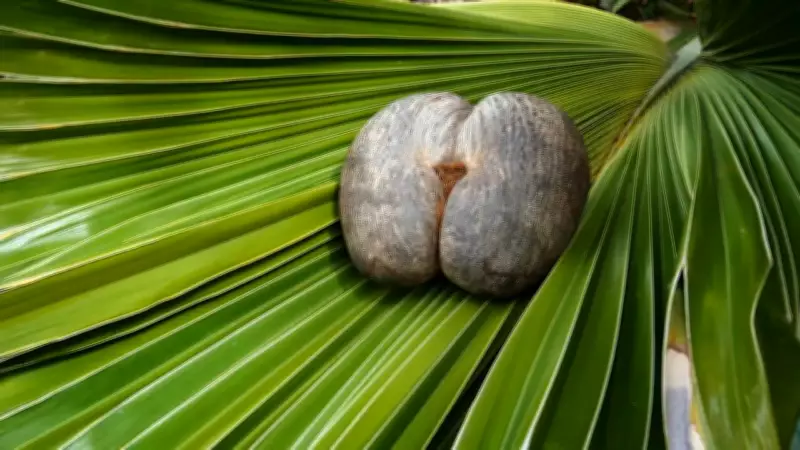
A quiet highlight remains the estate's tribute to Coco de Mer—Seychelles' most iconic natural symbol—reinforcing how intimately island identity connects with local flora.
Seychelles might initially attract visitors with pristine beaches, but often these smaller, everyday details create lasting impressions. Somewhere between roadside fruit stops and unfamiliar flavors, the travel experience fundamentally shifts. You cease merely seeing islands and begin truly tasting them—discovering how fruits breathe life into destination personality beyond picturesque backdrops.