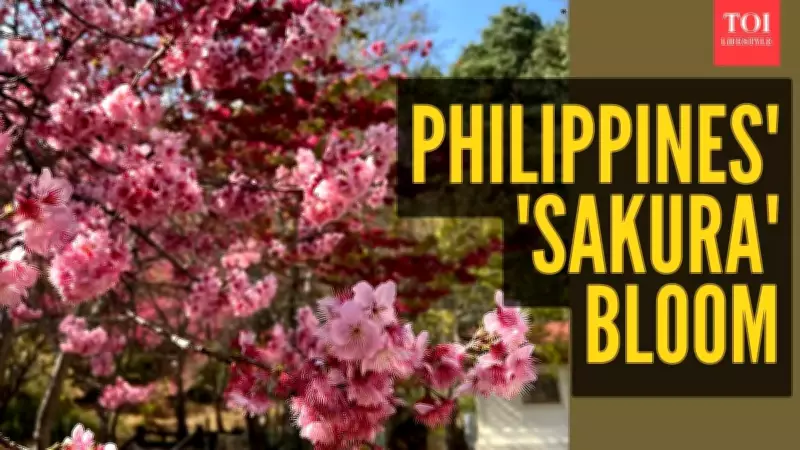
Sakura Blooms in Baguio After 7-Year Wait: Rare Cherry Blossom Spectacle in Philippines
For the first time in seven years, Japan's iconic sakura or cherry blossoms have burst into bloom at the Baguio Country Club in the northern Philippines. This rare botanical spectacle has captivated both locals and tourists, who are flocking to witness this unexpected floral display in the country's summer capital.
Cherry Blossoms in Philippines: A Rare Tropical Phenomenon
Cherry blossoms, known as sakura in Japanese, are emblematic of Japan's spring season and world-famous for their fleeting, ethereal beauty. In tropical countries like the Philippines, such trees rarely flower because the warm climate generally lacks the cool conditions that cherry trees require to thrive. However, Baguio City's higher elevations and cooler temperatures have created a unique microclimate where growth and blooming become possible.
According to the Baguio Country Club announcement, the sakura trees were donated by Japanese nationals Shinji Okomora, Shingeru Tsunashima, and club member Paz Suzuki in June 2018 and May 2019. After years of patient care and favorable weather conditions, the trees finally flowered in late January 2026.

"Sakura trees are known to take years before flowering, making this first bloom a true testament to patience, nature, and time," the club stated in a social media announcement.
Baguio's Cool Climate Makes Cherry Blossoms Possible
The phenomenon has been boosted by unusually cool temperatures in Baguio, with daily lows occasionally dipping to around 10–12°C (50–54°F). These conditions closely resemble the spring climates where sakura naturally flourish and are far cooler than typical lowland Philippine weather.
Horticultural experts note that while cherry trees can grow in altered climates, they often take many years—sometimes more than a decade—to mature enough to produce flowers outside their native habitat. This extended maturation period partly explains why this event is drawing significant attention: the blooms are not only beautiful but exceptionally rare outside Japan and other temperate regions.
A Moment Filipinos Have Waited For
Although only a handful of sakura trees at Baguio Country Club have blossomed, the event has already attracted numerous locals and visitors eager to photograph the delicate pink petals and enjoy the cool mountain air. With the blooms expected to last roughly one to two weeks—the typical lifespan of cherry blossoms—community interest is particularly high.
This timing naturally complements Baguio's broader flowering season. The city also kicks off the 30th Panagbenga Festival, the Baguio Flower Festival, on February 1, 2026. This celebration showcases floral beauty across the region with parades, colorful floats, and cultural performances.
Panagbenga, which means "season of blooming" in the local Kankanaey language, traditionally draws thousands of tourists every year. While the festival celebrates native floral splendor and artistic floral design, the sakura blossoms at Baguio Country Club bring a distinctive element of Japan's famed springtime spectacle to the Philippines, albeit briefly.
Why Cherry Blossoms in Philippines Are Trending
In recent years, sightings of unconventional cherry blooms have intrigued Filipinos well beyond Baguio. Cherry trees in Atok, Benguet have produced flowers early or unexpectedly in some years, demonstrating that high-altitude pockets in the Philippine Cordilleras can support sakura under the right conditions.
Local conversations on social media reflect excitement and curiosity whenever pink blooms resembling cherry blossoms appear across various regions. The broader trend of floral tourism and blooming events—from sakura in Thailand's mountainous regions to cultivated blooms in Balayong Park in Palawan—shows that interest in flower watching is growing across Southeast Asia.
What the Cherry Blossom Bloom Represents
Cherry blossoms in Japan are symbolic of impermanence, renewal, and hope, cherished each spring as a reminder of life's fleeting beauty. That symbolism resonates in Baguio as well, as locals and visitors alike take photos and stroll under the delicate blooms.

The Baguio Country Club noted that the blossoming trees serve as "a fleeting yet beautiful reminder that some of the most rewarding sights are worth the wait." What began as a long-planned horticultural experiment has blossomed into a rare local spectacle, marking a meaningful moment for plant lovers and tourists in the Philippines.
The sakura bloom in Baguio City's highlands is both a visual treat and a symbol of patience, nature, and international cooperation. It vividly demonstrates that even unexpected beauty can take years to emerge. As the blossoms continue their brief display, Filipinos and visitors alike are seizing this once-in-years opportunity to enjoy sakura without leaving the country, celebrating both nature's unpredictability and the vibrant culture of floral appreciation that the Philippine highlands now increasingly embrace.