Rajasthan's Hidden Wilderness: A Journey Beyond Forts and Palaces
When envisioning Rajasthan, images of grand forts, opulent palaces, and sweeping golden deserts often dominate the mind. Yet, beyond this architectural magnificence lies a remarkably diverse and vibrant natural landscape. While the state's historic structures narrate tales of kings and empires, its forests, rivers, wetlands, and deserts tell a compelling story of survival, adaptation, and dedicated conservation efforts. From tiger trails and leopard hills to crocodile rivers and arid grasslands, Rajasthan emerges not merely as a cultural hub but as one of India's most varied wildlife destinations.
1. Tiger Safaris in Ranthambore and Sariska
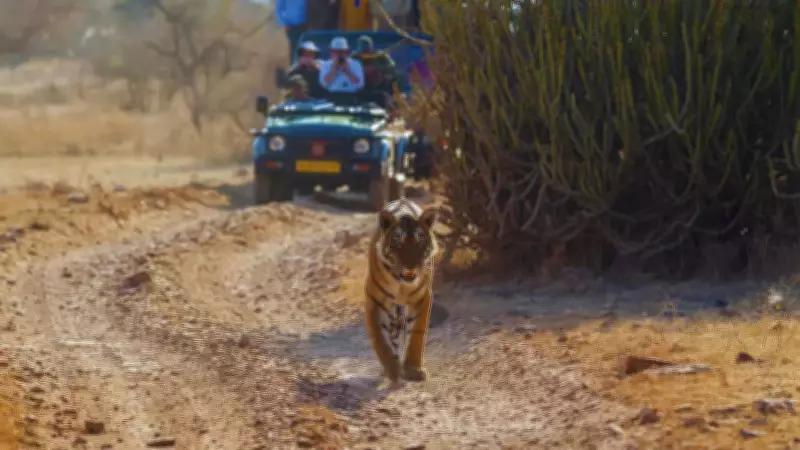
Ranthambore National Park, located near Sawai Madhopur, is renowned for its ancient fort ruins, serene lakes, and expansive grasslands that facilitate frequent tiger sightings. The tigers here are celebrated for their boldness, often photographed lounging on historic stone walls or cooling off in the waters of Padam Talao.
Further north, Sariska Tiger Reserve in the Aravalli Hills offers a more challenging and less crowded safari experience. Once infamous for losing its tiger population in the early 2000s, Sariska now stands as a triumph in tiger conservation through successful translocation programs. Together, these reserves highlight Rajasthan's leadership in India's tiger conservation initiatives.

2. Leopard Tracking in Jhalana and Jawai
Jhalana Leopard Reserve, situated within Jaipur's municipal limits, is among India's most accessible spots for wild leopard sightings. Its dry scrub forests and rocky terrain provide excellent viewing opportunities, often just a short safari drive from the city center.
In the southwest, the granite hills around Jawai Bandh in Pali district showcase a fascinating example of human-animal coexistence. Leopards here inhabit rocky caves in Rabari villages, with sightings set against breathtaking granite backdrops. Unlike traditional forest safaris, Jawai offers cinematic views of leopards roaming the hills at sunrise or sunset, solidifying Rajasthan's status as a premier leopard destination.
3. River Safaris in National Chambal Sanctuary
The Chambal River carves through Rajasthan's southeastern edge, fostering one of India's most vital riverine ecosystems. Boat safaris in the National Chambal Sanctuary allow visitors to observe critically endangered gharials basking on sandbanks. Distinguished by their long, slender snouts ideal for fishing, gharials contrast with the more common mugger crocodiles also found here.
Additionally, the sanctuary is home to Gangetic river dolphins, various turtle species, and numerous migratory birds. The pristine, undisturbed waters of the Chambal River serve as one of the last refuges for these ancient reptilian species.
4. Bird Watching at Keoladeo National Park
Keoladeo National Park, a UNESCO World Heritage Site also known as Bharatpur Bird Sanctuary, ranks among Asia's top bird-watching locations. Once a royal duck-shooting ground, it now thrives as a wetland habitat supporting hundreds of bird species.
During winter, migratory birds from Central Asia and Siberia flock here in large numbers. Common sightings include painted storks, pelicans, cranes, and birds of prey. Unique among national parks, Keoladeo can be explored on foot, by bicycle, or via cycle-rickshaw, offering an intimate wildlife experience.
5. Desert Wildlife at Desert National Park
Rajasthan's Thar Desert is far from barren. The Desert National Park near Jaisalmer protects one of India's most fragile desert ecosystems and is a key habitat for the critically endangered Great Indian Bustard, one of the world's heaviest flying birds.
While sightings are rare, the park is central to conservation efforts. Visitors may also spot chinkara (Indian gazelle), desert foxes, monitor lizards, and a surprising array of desert-adapted birds. The stark landscapes of sand dunes and rocky outcrops provide a wildlife experience starkly different from Rajasthan's forested reserves.
These five wildlife adventures underscore that Rajasthan offers far more than its iconic forts and palaces, inviting travelers to explore its rich and diverse natural heritage.