Pune to Bangkok Flight Fare Hike Looms as IndiGo Cancels Direct Route
Concerns are mounting in Pune over a substantial fare increase anticipated for popular flights to Bangkok, Thailand, following the discontinuation of one of the city's only two direct international connections to the destination starting in April.
IndiGo Flight Discontinuation and Operational Reasons
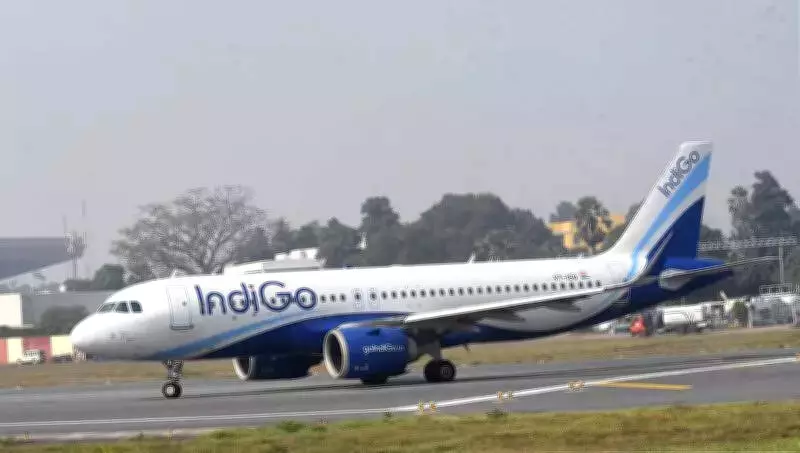
Sources within IndiGo airline, which launched its Bangkok service just last year, have confirmed that the flight will no longer operate during the summer schedule due to operational reasons. While specifics were not detailed, insiders indicated that flight duty time limitation (FDTL) regulations, set to be fully enforced from April, might be a contributing factor to this curtailment.
Currently, Pune boasts two direct flights to Bangkok: one operated by IndiGo, running three days a week, and another by Air India Express, which operates daily. The loss of the IndiGo option is expected to have significant repercussions for travelers.

Impact on Fares and Travel Demand
Travel industry experts predict that the reduction in flight options, combined with high demand in the sector, will lead to a sharp rise in airfares. Santosh Gupta, owner of Shree Vinayak Holidays, explained, "The return fare for an Air India Express flight to Bangkok currently stands around Rs 21,000. With one flight discontinued, fares for the remaining option could surge to nearly Rs 28,000-35,000, especially during the peak travel months of April, May, and June."
Gupta emphasized that this route experiences consistent high demand year-round. He warned, "The cessation of one flight will intensify demand for the other, inevitably driving up prices. Many travelers may opt to fly from Mumbai instead, where fares are more controlled due to multiple direct flight options. The civil aviation ministry and the Directorate General of Civil Aviation (DGCA) must ensure that dynamic pricing does not escalate to unaffordable levels for Pune residents, which could severely impact the sector despite its popularity."
Traveler Experiences and Alternative Options
Travelers are already feeling the effects of this change. Rahul Divane, a resident of Kothrud, recently attempted to book two tickets to Bangkok for mid-April and found only the Air India Express option available. "The return fare for both tickets totaled almost Rs 40,000, compared to just Rs 21,000 from Mumbai. A travel agent advised me to book via Mumbai, as fares from Pune are projected to increase further over time. I plan to follow that recommendation," he shared.
An anonymous representative from another travel company highlighted the disparity, stating, "Mumbai benefits from numerous direct flights to Bangkok, helping to stabilize fares. In contrast, Pune has fewer flights and higher demand, which directly influences pricing. Airport authorities should advocate for more connections and enhance the facility's international flight capabilities, starting with initiatives like a fast-track immigration service."
Broader Implications for Pune's Aviation Infrastructure
Pune currently maintains only five direct international connections: two flights to Bangkok, two to Dubai, and one to Abu Dhabi. Despite having prime slots available, the airport's international network has long been limited to just three cities.
Aviation analyst Dhairyashil Vandekar underscored the need for infrastructure improvements, noting, "There has always been immense and growing demand from Pune for direct international flights. However, even after two decades, the city remains connected to only three international destinations, highlighting significant untapped potential. Beyond the necessity for a full-fledged greenfield international airport, Pune urgently requires upgrades to its operational, navigational, ramp, and terminal infrastructure at the existing airport to support long-haul wide-body flight operations."
This situation calls for immediate attention from regulatory bodies and airport authorities to address fare concerns and bolster Pune's international connectivity, ensuring it meets the evolving needs of travelers and capitalizes on market demand.