In a significant move to protect its pristine environment, the popular Tamil Nadu hill station of Ooty, officially known as Udhagamandalam, has implemented a complete ban on plastic water bottles. This decisive action targets the pollution caused by single-use plastics, a major issue in one of India's most visited tourist destinations.
A Sustainable Solution: Water ATMs Fill the Gap
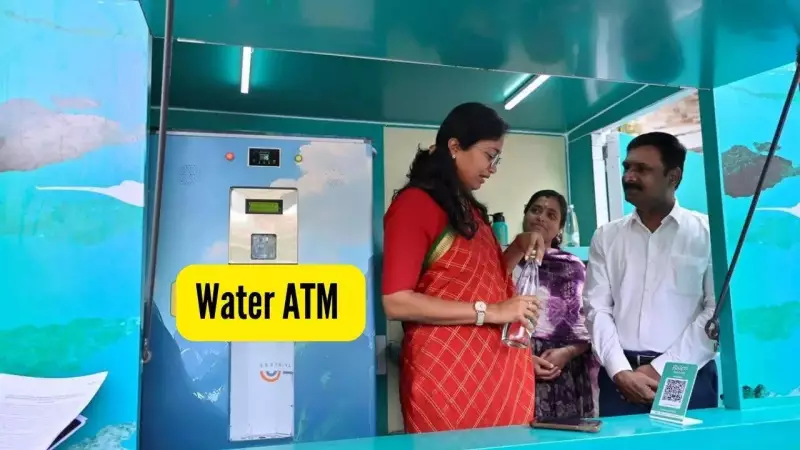
The ban is coupled with the introduction of a practical and eco-friendly alternative: water ATMs. These machines allow tourists and locals to refill their reusable bottles with warm water for a nominal fee of just INR 10. A video demonstrating this simple process, shared by Instagram user Bhargavi Silaparsetty, went viral on social media, drawing widespread praise for promoting responsible tourism.
The initiative directly addresses the environmental damage caused by the influx of tourists, who often rely on disposable plastic bottles. Authorities recognized that while tourism is vital for the local economy, the resulting plastic waste was harming the natural beauty of the Nilgiris.

Community Empowerment and Wider Impact
A standout feature of this project is its community-centric model. The water ATMs are reportedly managed by local women's Self-Help Groups (SHGs) under the guidance of the local administration. This approach achieves a dual purpose: it empowers women economically and socially while driving the environmental mission forward.
The viral video and the ban have sparked conversations online, with many viewers and environmental advocates suggesting that other hill stations across India should adopt a similar model to combat plastic pollution effectively.
A New Chapter for Conscious Travel
This initiative marks a shift towards more sustainable travel practices in India's iconic destinations. It encourages visitors to be mindful of their environmental footprint. The key takeaway for future travelers to Ooty is clear: carry a reusable water bottle, use the convenient water ATMs, and contribute to preserving the hill station's ecology.
The combined effort of a strict plastic bottle ban and the provision of an affordable, accessible alternative showcases a replicable blueprint for other tourist hotspots struggling with similar waste management challenges. It underscores that environmental conservation and community development can go hand in hand.