Discover Meghalaya: The Land of Clouds Where Nature Lives in Mist
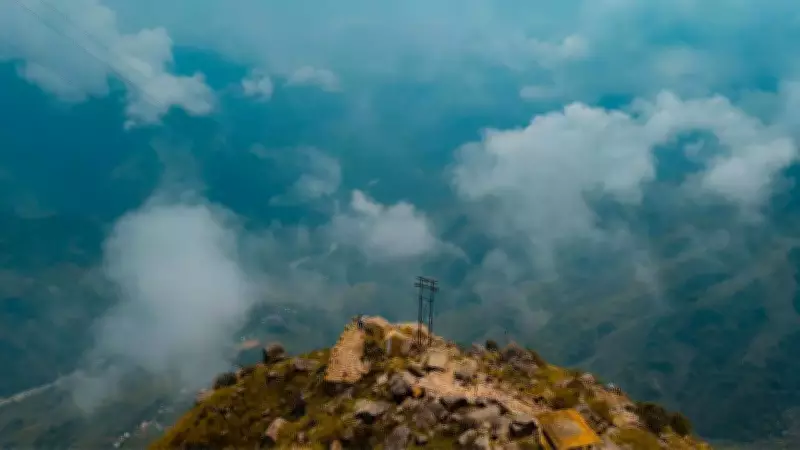
India is a land of breathtaking contrasts, from arid deserts to towering snow-capped peaks and verdant valleys. In the northeastern region, however, lies a place that seems to exist within the clouds themselves. Here, hills vanish into ethereal mist, forests remain perpetually green, and rainfall is so frequent it becomes an integral part of daily life.
At first glance, this environment may appear surreal. Locals often take the constant drizzle for granted, while visitors find it utterly enchanting. Meghalaya, whose name literally translates to "Abode of Clouds," quickly reveals the reason for its title upon arrival. Clouds gently embrace the hills, drift across winding roads, and occasionally seep into quaint villages, creating a dreamlike atmosphere.
Why Meghalaya is Called the 'Land of Clouds'
The name Meghalaya originates from two Sanskrit words: 'Megh' meaning clouds and 'Alaya' meaning home. Combined, it signifies the Home of Clouds, a description that experts agree is perfectly apt. Unlike typical cloud formations that float high in the sky, here they settle low, weaving intricately through forests, villages, and roadways.

For most of the year, the sky is densely overcast with clouds. Even during non-rainy periods, a persistent mist lingers in valleys and over hillsides. This phenomenon is sustained by heavy rainfall, undulating hills, and dense forests that keep the clouds anchored close to the ground.
Meghalaya's Extreme Rainfall Hotspots: Mawsynram and Cherrapunji
Two locations in Meghalaya are renowned for their almost unbelievable rainfall. Mawsynram reportedly holds the global record as the wettest place on Earth, while Cherrapunji has shattered rainfall records for decades. Streets glisten with water, rivers swell dramatically, and the soil emits a fresh, earthy aroma.
Walking through these areas, one feels enveloped by clouds, sometimes literally. Photographers and nature enthusiasts adore this setting, though carrying an umbrella is essential. It may seem peculiar, but these extreme rains have sculpted the landscape, carving valleys, nurturing lush forests, and fostering unique ecosystems that owe their existence to relentless precipitation.
Meghalaya's Hills and Forests
The Khasi, Garo, and Jaintia Hills are not merely scenic; they play a crucial role in Meghalaya's cloud cover. Their slopes force moist air upward, forming low-hanging clouds. Dense forests add another layer, as trees release water vapor that mixes with humid air to create fog.
Consequently, clouds do not just float high above but remain near the ground. Strolling along a forest trail, you might feel clouds brushing against your shoulders. Locals refer to parts of Meghalaya as 'cloud forests,' where birds flit through mist, insects hum softly, and the air feels refreshingly alive.
Meghalaya's Unique Natural Wonders
Meghalaya offers more than just clouds; it is dotted with tiny marvels everywhere:
- Nohkalikai Falls plunges dramatically, often shrouded in mist.
- Mawlynnong, acclaimed as Asia's cleanest village, exemplifies harmony with nature.
- Limestone caves like Krem Liat Prah stretch deep underground, concealing stalagmites and dripping water for centuries.
Nature here appears playful, with structures that are both functional and breathtaking. Every hill, stream, and trail has its own captivating story.
How to Visit and Experience the Natural Beauty of Meghalaya
Nestled in Northeast India and bordering Assam and Bangladesh, Meghalaya's hills, waterfalls, and forests feel like stepping into another world.
What is the Best Time to Visit
October to May is generally the safest period, with easier road navigation and smooth sightseeing. The monsoon season from June to September is magical for those who adore waterfalls and pervasive clouds.
How to Reach

- By air: Shillong has a small airport with limited flights. Most travelers fly into Guwahati in Assam, then take a taxi or bus for approximately 100 kilometers.
- By train: No trains run directly into Meghalaya; the closest station is Guwahati Railway Station.
- By road: Roads connect Shillong, Cherrapunji, and other towns via taxis, buses, or shared cabs. The hilly routes are beautiful but winding, requiring careful driving, especially in rain.
Travel Essentials to Pack
- Umbrella or raincoat
- Waterproof shoes
- Warm layers for evenings
- Camera