Keibul Lamjao: The World's Only Floating National Park
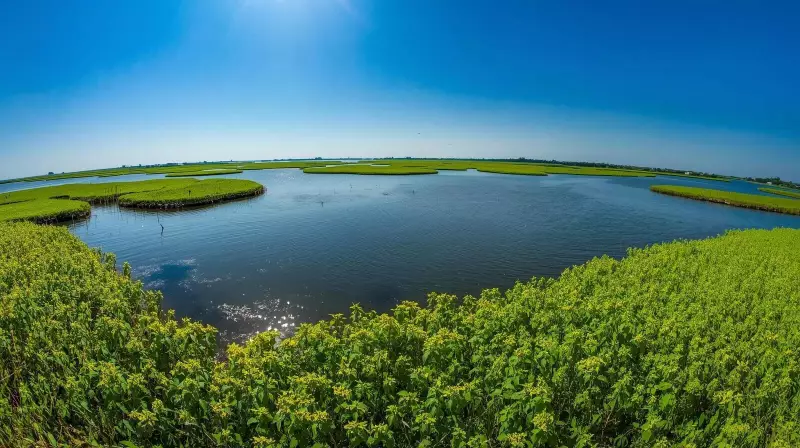
Keibul Lamjao National Park in Manipur holds a remarkable distinction. This unique conservation area floats entirely on vegetation rather than standing on solid ground. Located within the expansive waters of Loktak Lake, the park represents a natural wonder found nowhere else on Earth.
The Floating Foundation: Phumdis
The park's base consists of phumdis - thick, layered mats of soil and decaying plant matter. These natural formations develop when vegetation breaks down and binds together with roots and soil. Over time, these floating mats grow strong enough to support grasses, reeds, and even wildlife.
Phumdis respond directly to changing water levels. During monsoon seasons, they rise with the swelling lake. In drier months, they settle lower. This gentle movement shapes everything above the floating surface. Unlike conventional land, the ground here feels alive and responsive.

Loktak Lake's health directly influences the park's stability. When water flow patterns change, the phumdis transform accordingly. This delicate balance makes Keibul Lamjao both uniquely fascinating and particularly vulnerable to external pressures.
Endangered Wildlife Sanctuary
The Sangai deer represents Keibul Lamjao's most famous resident. This elegant creature moves lightly across the floating vegetation with slender legs and distinctive curved antlers. Once believed extinct, the species survived exclusively within these floating grasslands.
The Sangai's presence remains tightly connected to the park's condition. Smaller populations of hog deer also inhabit the area. Otters slip quietly through water channels between phumdis. Various bird species arrive with changing seasons - some remain year-round while others pass through during migration periods.
Morning hours fill with bird calls that gradually fade by afternoon. None of these animals could survive here without the lake's support. The entire ecosystem depends completely on the floating phumdis that make this habitat possible.
A Different Kind of Wilderness Experience
Visitors come to Keibul Lamjao for atmosphere rather than spectacle. Watchtowers provide observation points where people often wait longer than anticipated. Early morning mist moves across the lake, alternately hiding and revealing shapes in a slow, natural rhythm.
When deer appear, they don't perform for spectators. They simply graze, lift their heads, and move on with their daily routines. Boats navigate narrow channels carefully to avoid disturbing the floating ground beneath.
The landscape feels simultaneously open and contained - quiet yet full of life. Traditional marked trails don't exist here because the land itself shifts. Many visitors remember not specific sights but rather the sensation of standing somewhere that behaves unlike either land or water, occupying a space between both elements.
Planning Your Visit
Keibul Lamjao National Park sits approximately 45 kilometers from Imphal, Manipur's capital city. Most visitors arrive by air to Imphal before continuing by road toward Loktak Lake.
The ideal visiting period falls between November and March. During these cooler months, water levels remain more stable. Monsoon seasons bring swelling lakes that restrict movement and make access challenging.
Local guides play crucial roles here. They help with navigation while explaining appropriate conduct on floating ground. Park rules remain strict for important reasons. Keibul Lamjao cannot absorb excessive pressure - it maintains its integrity only when treated with respect.
As days end, the lake settles quietly, carrying the entire park with it in a gentle, continuous rhythm that defines this unique conservation area.