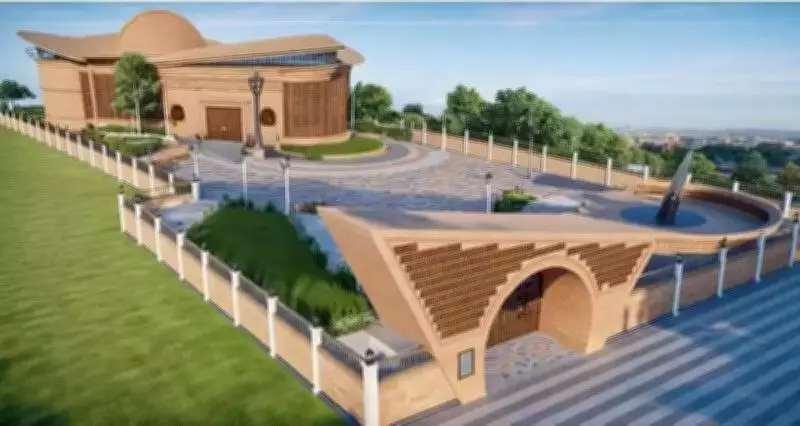
Mahoba's Solar Heritage to Shine with New Interpretation Centre
The historic town of Mahoba in Uttar Pradesh's Bundelkhand region, renowned for its ancient Chandela-period sun temple, is poised to embark on a transformative journey in heritage tourism. Under the central government's Swadesh Darshan 2.0 scheme, a state-of-the-art sun interpretation centre will be established here, aiming to position Mahoba as a unique knowledge-based tourism destination that celebrates India's solar traditions.
Project Details and Implementation Timeline
The ambitious integrated tourism project, sanctioned at a cost of Rs 24.98 crore, will occupy over 4,210 square meters of land. Officials have confirmed that 10% of the allocated funds have already been disbursed to the Uttar Pradesh Power Corporation Limited (UPPCL) in Banda, which serves as the executing agency. The entire development is targeted for completion by the end of 2026, marking a significant milestone in Bundelkhand's tourism infrastructure enhancement.
Architectural and Thematic Design Elements
Designed as a thematic and experiential facility, the centre will interpret the profound scientific significance and rich cultural narratives associated with the sun throughout Indian history. Its architectural blueprint symbolically represents the eight traditional 'prahars' (time periods) of a day:

- Usha (dawn)
- Purvanha (morning)
- Madhyanha (midday)
- Aparanha (afternoon)
- Sayankal (evening)
- Pradosha (dusk)
- Nishitha (midnight)
- Triyama (late night)
This design reflects the cyclical understanding of life and time embedded in Indic philosophy. A specially engineered sundial will indicate time using the first rays of sunlight, offering visitors a hands-on experience of ancient timekeeping methods while reinforcing the centre's overarching solar theme.
Sustainability and Eco-Friendly Features
Sustainability forms a core component of this pioneering project. The development incorporates multiple green infrastructure elements to promote responsible tourism in the ecologically sensitive Bundelkhand region:
- Solar panels for renewable energy generation
- Comprehensive rainwater harvesting systems
- Permeable grass pavers for natural groundwater recharge
- Integrated waste management mechanisms
These features align with broader objectives of eco-friendly destination development while minimizing the environmental footprint of tourism activities.
Tourism Context and Regional Significance
Tourism and Culture Minister Jaiveer Singh emphasized that this initiative is part of a comprehensive push to strengthen tourism infrastructure across Bundelkhand, following major upgrades in Ayodhya, Varanasi, and Prayagraj. Mahoba recorded nearly 28 lakh visitors in 2025, highlighting its growing tourism potential and underscoring the urgent need for enhanced interpretation facilities to accommodate this increasing footfall.
Interactive Galleries and Educational Exhibits
Additional Chief Secretary (Tourism) Amrit Abhijat revealed that the centre will feature multiple interactive galleries that seamlessly blend mythology, religion, and scientific exploration. One gallery will present a comparative study between Surya (the sun deity in Hindu tradition) and Helios (the sun god in ancient Greek mythology), offering visitors a cross-cultural perspective on solar worship.
Another section will showcase prominent sun temples across India, including the iconic Konark Sun Temple, through detailed architectural models and carefully curated exhibits. Dedicated areas will explain the sun's crucial role in astronomy—covering seasons, calendars, and celestial movements—complemented by immersive 3D displays that interpret astrological concepts in an engaging, accessible manner.

Expected Impact and Economic Benefits
Officials anticipate that this project will provide Mahoba with a distinct thematic identity on Uttar Pradesh's tourism map while generating substantial local employment opportunities and stimulating economic activity throughout the Bundelkhand region. By creating a world-class interpretive facility that honors both ancient wisdom and modern sustainability practices, Mahoba is set to become a model for heritage tourism development that balances preservation with innovation.