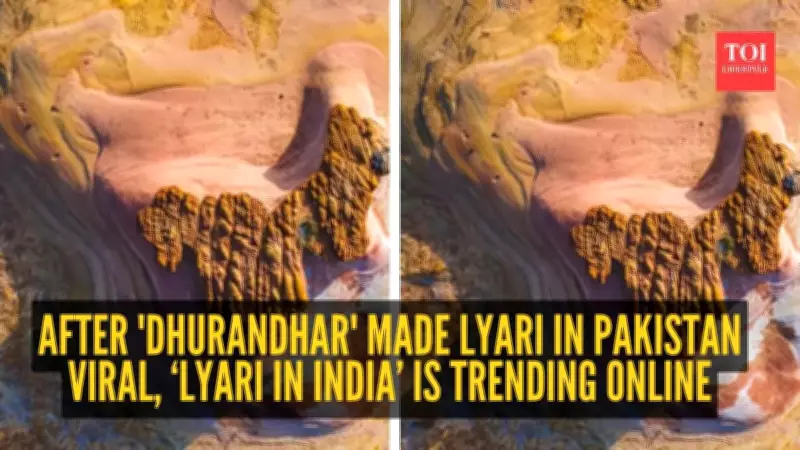
Lyari in India: The Viral Mystery Unraveled as Gujarat's Hidden Riverbed
A new keyword is quietly sweeping across social media and search platforms, sparking curiosity and confusion alike: "Lyari in India." At first glance, many instantly associate it with Karachi, Pakistan, due to the shared name. However, the reality behind this trending topic is far more intriguing and deeply rooted in nature than most expect. This rising interest centers on a hidden seasonal riverbed in Gujarat, now gaining attention for its unusual landscape and significant scientific value. It is not a city, not a border story, and has no connection to Pakistan whatsoever. Instead, it is a natural site that has existed for years but is only now capturing wider public imagination. Here is a detailed exploration of what this place truly is and why it matters.
What "Lyari" Means in the Indian Context
In India, Lyari refers to a seasonal river located in the Kutch region of Gujarat. It flows through the Rann of Kutch, an area renowned for its arid and extreme environmental conditions. This river, also known as Tal-Lyari, is not active year-round; it comes to life during the monsoon season, with water flowing through its channels, only to gradually dry up afterward. What remains is a vast riverbed dotted with occasional water patches. This dry riverbed is the primary point of interest, offering a stark yet beautiful landscape that contrasts sharply with the surrounding terrain.
No Link to Karachi's Lyari: Clearing the Confusion
The similarity in names has inevitably led to widespread confusion. However, the Indian Lyari is entirely distinct from the Lyari River in Pakistan. It is also unrelated to any urban area, emphasizing its purely natural formation and unique identity. This distinction is crucial for understanding why this site is trending—it represents a hidden gem within India's diverse geography, rather than a geopolitical reference.

The Real Highlight: A Landscape of Geological Wonders
What sets this place apart is the remarkable structure of its riverbed. As highlighted in an NDTV report, the area features layers of rock that have formed over extensive periods, appearing carved and giving the land a textured, almost artistic appearance. These formations are the result of natural forces such as water flow, wind erosion, and the passage of time. Over the years, these elements have meticulously shaped the landscape into its current state, creating a visual spectacle that draws both scientists and nature enthusiasts.
Location and Accessibility: A Lesser-Known Destination
According to Roundglass Sustain, the Lyari riverbed is situated approximately 70 kilometers from Bhuj, near the Dhinodhar Hills. Despite its growing online popularity, it remains a lesser-known destination. While it does attract some visitors, it has not yet evolved into a major tourist hotspot, preserving its serene and untouched ambiance.
Why These Rock Formations Hold Scientific Importance
The rocks in this area are significant beyond their aesthetic appeal. They are believed to contain valuable information about the region's geological and climatic history. These layered formations can assist experts in studying long-term climate change patterns, offering insights into environmental shifts over millennia. This scientific relevance adds a layer of depth to the site's allure, making it more than just a picturesque location.
Dhinodhar Hill: Adding to the Geographical Significance
Near the riverbed lies Dhinodhar Hill, which plays a crucial role in the region's geography. Reports indicate that it is known as a volcanic plug, formed when lava cooled and solidified within a volcanic vent. Over time, erosion wore away the surrounding material, leaving this distinctive structure behind. The drainage patterns around the hill spread outward, contributing to the unique layout of the landscape and enhancing the area's geological diversity.

A Seasonal River: Transforming with the Weather
Lyari is a dynamic environment that changes with the seasons. During the rainy months, water flows through the river, creating a temporary aquatic ecosystem. Once the rains cease, the water recedes, leaving behind a tranquil and dry riverbed with scattered pools. Visitors often remark that the place is most captivating during early morning or evening hours, when shifting light alters the colors of the land, casting it in hues of gold and amber.
Changes in the Surrounding Region: Development and Impact
While Lyari itself remains relatively untouched, nearby areas such as the Banni Grassland are experiencing development. Reports suggest activities like mining and renewable energy projects, including solar and wind installations, are gradually altering the surrounding landscape. These changes highlight the delicate balance between preservation and progress in this region, raising questions about future conservation efforts.