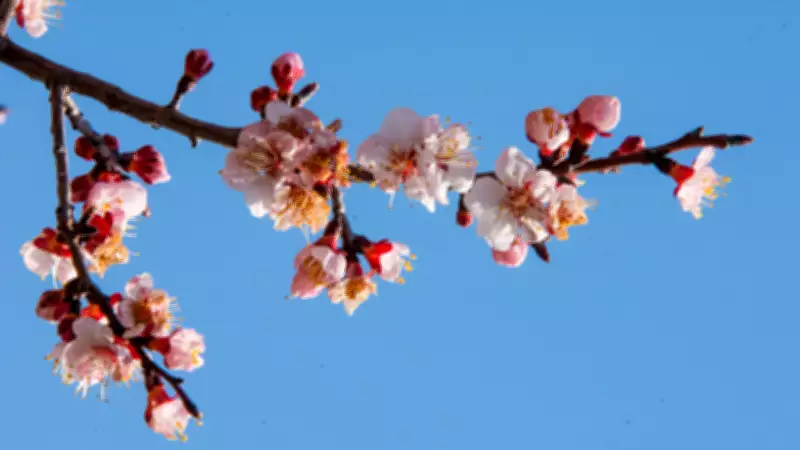
For most of the year, Ladakh is envisioned as a land of stark, dramatic landscapes and endless stretches of barren rock. When winter arrives, it transforms into a frozen desert, with temperatures plummeting well below freezing, isolating numerous villages from the rest of the world. However, with the arrival of spring, a magical transformation occurs. Thousands of apricot trees burst into bloom across the valleys, draping the terrain in enchanting shades of pink and white. This remarkable shift marks the beginning of the Apricot Blossom Festival, one of the most breathtaking seasonal events in the Himalayas.
A Celebration Rooted in Tradition
Locally known as Chuli Mendok, where chuli means apricot and mendok means flower, the festival is more than just a visual spectacle. Organized by the Ladakh Tourism Department, it honors the region's agricultural heritage, community bonds, and local customs. In recent years, it has become a major attraction for those seeking authentic cultural experiences before the heavy summer tourist influx begins.
Apricots hold significant importance in Ladakh. For generations, communities along the Indus and Shyok river valleys have depended on the fruit for sustenance and income. The first blossoms signal the arrival of the planting season and the end of the harsh winter. The festival also highlights the Raktsey Karpo apricot, a unique local variety renowned for its white seed stone and exceptional sweetness. It recently received a Geographical Indication (GI) tag, emphasizing its distinct connection to the region and helping local farmers gain deserved recognition.

Following the Bloom Across Ladakh
The festival is not confined to a single location; it moves across Ladakh to align with the natural blooming cycle of the orchards. Trees in lower-altitude villages flower first, and as temperatures rise, the bloom gradually ascends into the mountains. For prime viewing, the villages in Sham Valley, often called Ladakh's Apricot Valley, are top choices, along with Turtuk in the Nubra Valley and historic settlements in Aryan Valley. The blossoms typically appear for a brief period between late March and mid-April, creating a stunning contrast of pink and white flowers against the stark brown mountains and snowy peaks, resembling a painting.
How the Festival Is Celebrated
The festival offers a perfect blend of natural beauty and cultural festivities. Village squares transform into hubs of exhibitions, markets, and live performances. Traditional Ladakhi music and folk dances are central to the programming, along with archery competitions, a beloved local sport that draws crowds and fosters community spirit.
Pop-up markets add another dimension to the experience. Local artisans and farmers set up stalls selling jams, juices, dried apricots, apricot kernel oil, traditional jewelry, handmade woolens, and crafts. This provides a direct economic boost to the local community while offering visitors unique souvenirs. For food enthusiasts, the festival is an opportunity to savor regional dishes and traditional apricot-based recipes passed down through generations.
Planning a Visit
To witness the spectacle, plan a trip from late March to mid-April. However, exact bloom dates vary annually depending on weather conditions. Fly into Leh, which has good connectivity to major Indian cities, and then drive to Sham Valley, Aryan Valley, or the festival's current location. Note that Aryan Valley and some border areas require Inner Line Permits, so arrange paperwork in advance. Staying for at least a few days allows ample time to explore orchards, attend cultural events, and enjoy the leisurely pace of village life.
While the blossoms last only a few weeks, the festival leaves a lasting impression. It is a celebration of renewal, a showcase of deep cultural roots, and a reminder of the close connection between communities and their rugged landscape.