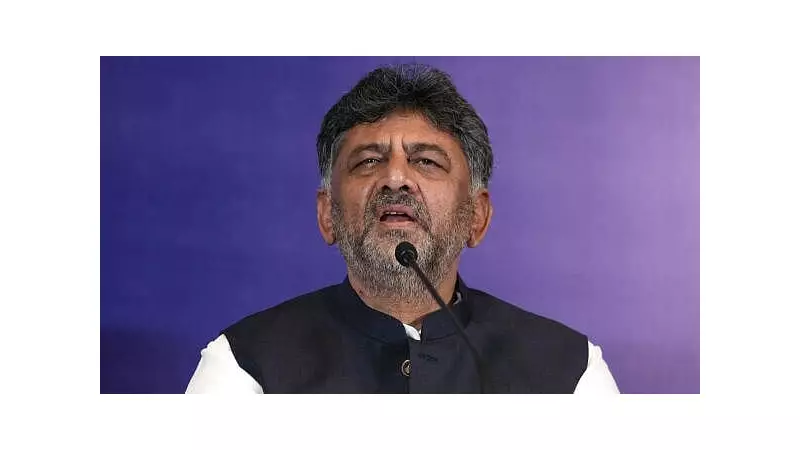
In a significant move aimed at boosting its maritime economy, the Karnataka government has announced plans to formulate a dedicated tourism policy for its extensive coastline. The decision was revealed by Deputy Chief Minister D.K. Shivakumar, who emphasized that the new framework will be crafted after comprehensive consultations with local communities.
Addressing Years of Underutilization
Shivakumar pointed out that despite possessing a coastline stretching over 300 kilometers, rich in natural beauty and resources, the state has not been able to harness its full potential for tourism and economic growth. "Although our state has more than 300-km-long coastline rich in natural resources, we have failed to explore it properly," the Deputy CM stated candidly. This acknowledgment underscores the government's intent to shift strategy and focus on sustainable and inclusive development of coastal areas.
A Policy Forged with Local Communities
The cornerstone of this new initiative is the commitment to involve local residents in the policy-making process. The government plans to hold consultations with coastal communities, fishermen's groups, environmental experts, and tourism stakeholders to ensure the policy is grounded in local needs and wisdom. This participatory approach is designed to create a model that promotes tourism while safeguarding ecological balance and the livelihoods of those who depend on the coast.

Unlocking Karnataka's Coastal Potential
The announcement, made on January 10, 2026, signals a fresh focus on a long-neglected asset. A separate policy for coastal tourism is expected to provide a clear roadmap for infrastructure development, conservation efforts, and the promotion of niche tourism segments like eco-tourism, adventure sports, and cultural heritage tours. The move is also seen as a step towards generating employment and boosting local economies in coastal districts, creating a more balanced regional development model for Karnataka.
By prioritizing local consultation, the state government aims to avoid the pitfalls of top-down planning and ensure that the development is both responsible and beneficial to the people who call the coastline home. The success of this policy will hinge on its ability to strike a delicate balance between economic progress and environmental preservation.