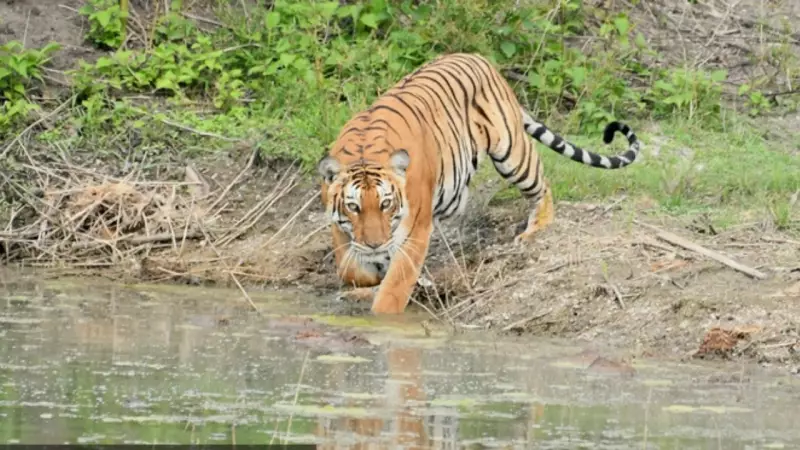
The ecotourism industry in Karnataka is facing a severe crisis following the blanket suspension of safari operations in the state's premier tiger reserves. Resort owners have made an urgent appeal to the government, warning that the continued closure could cripple the entire sector and devastate local livelihoods.
Association Challenges Basis of Ban, Cites Heavy Losses
In a formal letter addressed to Tourism Minister HK Patil, the Karnataka Ecotourism Resorts Association (KETRA) has demanded the immediate withdrawal of the ban on safaris in Bandipur and Nagarahole tiger reserves. The suspension was ordered after recent incidents of human deaths caused by tiger attacks. However, KETRA has strongly contested the rationale behind the blanket order.
The association emphasized that no scientific study exists linking regulated safari tourism to the recent tragic attacks. They provided detailed geographical context, stating that safari areas in Nagarahole are completely disconnected from the conflict zones. Similarly, in Bandipur, the designated safari routes are located approximately 50 to 100 kilometers away from the regions where the incidents occurred.

Financial Bleed: State, Businesses, and Forest Dept Suffer
The economic fallout from the suspension is staggering and multi-layered. KETRA has estimated that the state government is losing a substantial Rs 60 to 70 lakh every single day in Goods and Services Tax (GST) revenue alone, putting additional pressure on public finances.
The losses for tourism operators are even more acute. Private resort owners, who are members of KETRA, are collectively facing daily losses exceeding Rs 3 crore due to mass cancellations by tourists. The state-run Jungle Lodges and Resorts is also incurring a daily loss of nearly Rs 30 lakh. Furthermore, the Karnataka Forest Department, which collects fees for safari permits, is losing about Rs 30 lakh per day since all operations were halted.
Livelihoods of Local Communities Hang in the Balance
Beyond the immediate financial metrics, the prolonged ban threatens the very foundation of community-based ecotourism. The sector is a major employment generator, providing jobs for around 8,000 people. Crucially, nearly 80% of this workforce comprises individuals from local villages and indigenous tribal communities surrounding the reserves.
For these communities, ecotourism is not just an industry but a vital source of sustainable income. The continued suspension places their livelihoods in immediate jeopardy, undoing years of conservation-linked development efforts. The resort owners' plea highlights that protecting both wildlife and human welfare requires nuanced policies, not broad prohibitions that inadvertently harm the local economy and the people who depend on it.