Jor Bagh: A Serene Enclave in the Heart of Delhi
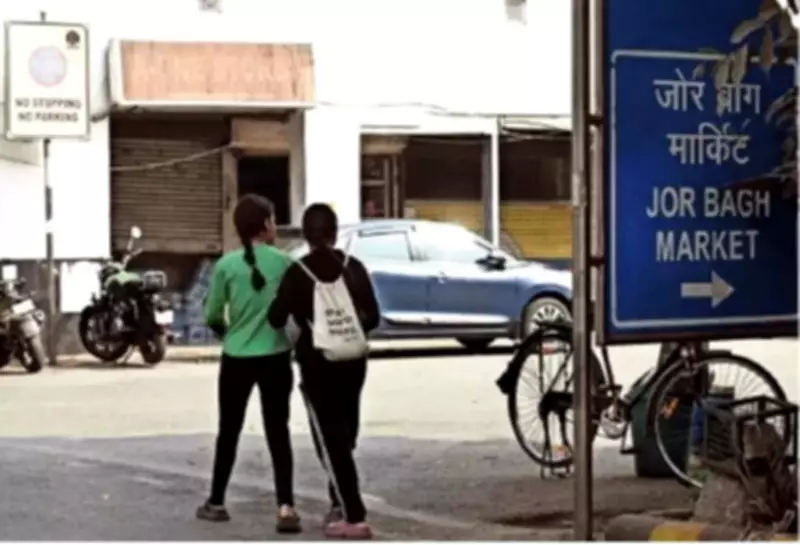
Step into Jor Bagh, and the bustling chaos of Delhi seems to fade away at its gates. This upscale south Delhi residential area is characterized by tree-lined streets, houses overlooking lush parks, and an atmosphere of stillness that locals proudly describe as its greatest luxury. Developed primarily in the 1950s and 1960s as the capital expanded beyond Lutyens' Delhi, Jor Bagh quickly established itself as one of the city's most prestigious addresses.
Historical Roots and Evolution
Located near Lodhi-era monuments and sprawling gardens, the colony's name is believed to originate from a nearby historical tomb complex linked to that period. Initially planned as a low-density residential neighborhood, it became home to senior bureaucrats, diplomats, politicians, and professionals. Over the decades, many old bungalows have been replaced by modern low-rise apartments, yet the wide roads, abundant green cover, and quiet residential ambiance have largely endured through this transition.
Personal Insights from Longtime Residents
For Anmol Khanna, President of the Jor Bagh Residents' Welfare Association (RWA), the story of Jor Bagh is deeply personal. He moved here over 35 years ago during his second year of college and has witnessed the neighborhood evolve from a quiet government enclave into one of Delhi's most sought-after locales. With approximately 233 houses, many families have resided here for more than 70 years, preserving much of the area's yesteryear charm.

"There is a sense of calmness in our colony. When you enter, the first thing you notice is the greenery," Khanna emphasized. He noted that while the neighborhood remains one of the best places to live, challenges such as increased parking difficulties due to rising car numbers have emerged. The RWA is actively working to make Jor Bagh a zero-waste neighborhood in Lutyens' Delhi, highlighting ongoing efforts to maintain its appeal.
Connectivity and Urban Pressures
Despite its laidback feel, Jor Bagh is centrally located and highly accessible. Major roads like Aurobindo Marg and Lodhi Road provide quick connections to central and south Delhi, while the Jor Bagh metro station offers easy access to Yellow Line landmarks such as Connaught Place, Hauz Khas, and Gurgaon. Residents attribute the neighborhood's continued high demand to this rare blend of quiet residential living and strong connectivity.
However, the pressures of a changing city are becoming evident. The shift towards builder floors has increased the load on local infrastructure, and parking space has become scarcer. Khanna pointed out that social cohesion remains a constant, with residents still uniting for festivals and functions, fostering a strong community spirit.
Voices of Concern and Civic Issues
Yet, Jor Bagh is not without its challenges. Jyoti Pande, a resident who moved here three years ago, highlighted several areas needing attention. "Given the educated populace—including diplomats, high net worth individuals, politicians, top lawyers, and other professionals—expectations for civic amenities are naturally high," she stated. Pande cited issues such as inadequate garbage segregation, lack of on-site composting, potholes, cracked roads, stray dog menaces, and subpar park maintenance.
She further explained that the RWA has written to the deputy chief minister and the New Delhi Municipal Council (NDMC) but has not received a response after six months. "The colony has everything it needs to become number one, but these problems need to be resolved," Pande asserted, underscoring the need for improved civic management to realize the area's full potential.
Conclusion: Balancing Tradition and Modernity
Jor Bagh stands as a testament to Delhi's ability to offer serene living spaces amidst urban growth. While it continues to be prized for its greenery, calmness, and historical significance, addressing modern urban challenges like waste management, infrastructure strain, and civic responsiveness is crucial for its future. As residents and authorities work together, this neighborhood strives to maintain its unique character while adapting to the evolving demands of city life.