

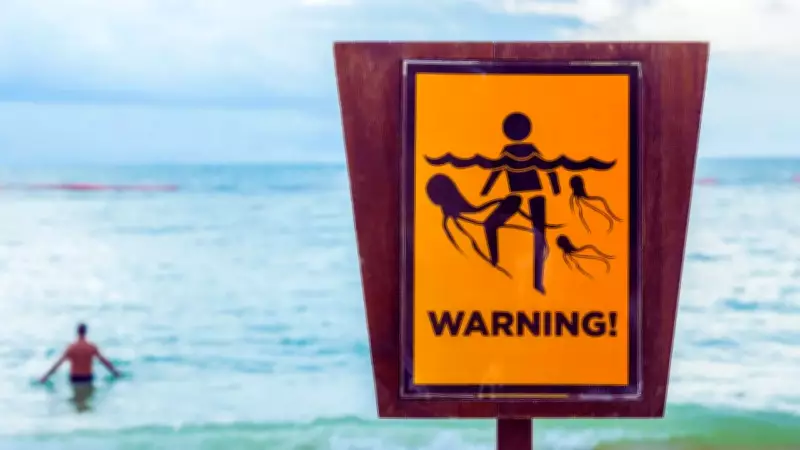
Venomous Jellyfish Alert: When to Avoid Popular Beaches Worldwide
Not all tropical destinations offer equal marine safety. In several well-documented coastal regions globally, venomous jellyfish appear with such regularity that local authorities implement protective measures, issue warnings, and sometimes even track their arrival patterns. This information isn't meant to instill fear but to emphasize timing. Visiting these beaches during safe periods allows for enjoyable swimming, while entering the water during high-risk times can turn a casual dip into a dangerous encounter.
Queensland, Australia: Cairns and Port Douglas Beaches
The stretch along the Great Barrier Reef, encompassing beaches like Palm Cove, Trinity Beach, and Four Mile Beach in Port Douglas, represents the world's most documented jellyfish risk zone. Authorities designate November through May as the official 'stinger season'. During these months, protective stinger nets are installed at select beaches, and tourism operators strongly recommend wearing full-body stinger suits even within netted areas. Conversely, the period from June to October is widely considered safe for swimming in these same locations.
Koh Samui, Thailand: Lamai and Chaweng Beaches
Beaches such as Lamai and Chaweng have reported confirmed, though rare, sightings of highly venomous box jellyfish. Unlike Australia, Thailand does not have a fixed jellyfish season. Sightings are unpredictable and often occur after calm, hot periods. When jellyfish are present, local authorities typically issue warnings. Visitors should remain vigilant and heed any advisories posted, as Thailand has recorded confirmed box jellyfish incidents, particularly around Koh Samui.

Oʻahu, Hawaii: Hanauma Bay and Waikiki
The risk of encountering box jellyfish in Hawaii, especially at popular spots like Waikiki and the snorkeling haven Hanauma Bay, peaks predictably. Influxes commonly occur 8 to 10 days after a full moon. A common misconception is that sheltered bays like Hanauma are always safer, but this is not true during these jellyfish arrival periods. Tourists often overlook this lunar-timed hazard, assuming all areas are equally safe year-round.
Palawan, Philippines: White Beach and El Nido
When visiting Philippine destinations like White Beach in Boracay and various El Nido beaches during the hot months from March to June, there is a known risk of box jellyfish. The country has documented jellyfish incidents, but monitoring systems are less consistent than in Australia or Hawaii, making risks harder to predict, especially in remote areas. For safety, always:
- Swim only in lifeguard-monitored zones.
- Consult local hotel staff or residents about recent sightings.
- Pay close attention to any local advisories.
Florida, USA: Pensacola Beach and Destin
Along the Gulf of Mexico, beaches including Pensacola, Destin, and Panama City Beach face seasonal hazards from the Portuguese man o' war, a venomous siphonophore often mistaken for a jellyfish. The primary risk season runs from November through March, particularly during onshore winds. Local authorities use a purple flag warning system to indicate dangerous marine life. Even when washed ashore, their tentacles retain venom. If you see purple flags or stranded specimens, the advice is clear: stay out of the water.
Understanding these specific regional patterns and seasonal warnings is crucial for any beachgoer. By planning visits during safe windows and heeding local guidance, travelers can enjoy these beautiful coastal destinations without unnecessary risk from venomous marine life.






