A Guide to Japan's Snake Species: Habitats, Behaviors, and Danger Levels
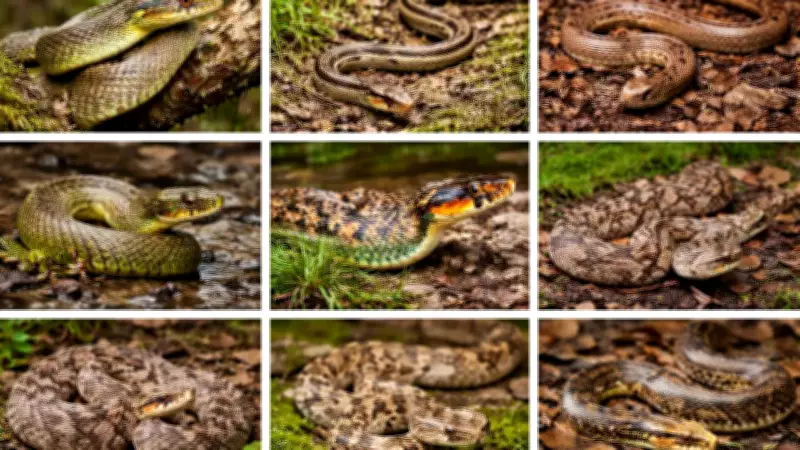
Japan, with its diverse landscapes spanning islands, forests, mountains, and marshes, is home to a surprisingly rich variety of snakes. Over 40 species inhabit the country, most of which are non-venomous and play crucial roles in controlling pests and maintaining ecological balance. However, a few venomous species pose significant dangers to humans, making awareness essential for safety in both wild and settled areas.
Understanding Japan's Snake Diversity
Snakes in Japan can be found in a range of environments, from remote forests and mountainous regions to wetlands and even urban outskirts. While many are harmless and beneficial, some venomous types require caution. Learning about their behaviors, habitats, and potential risks helps prevent encounters and promotes coexistence.
Key Snake Species in Japan
Ryukyu Odd-tooth Snake

This non-venomous, nocturnal species resides in the Ryukyu Islands. With a thin body, it preys on small animals like lizards and rodents. Due to its reclusive nature, it is rarely seen by humans and poses no threat, instead contributing to ecosystem stability.
Habu
Primarily found on Okinawa, the Habu is a large, highly venomous snake known for its rapid and powerful strikes. It is nocturnal, often hunting at night and sometimes entering homes in search of prey, making it a significant concern in populated areas.
Mamushi
The Mamushi is Japan's most deadly snake, a venomous species inhabiting forests, grasslands, and near water bodies. Its excellent camouflage makes it hard to spot, and it accounts for the majority of snakebite cases in the country. Though not aggressive, it will attack if threatened.
Yamakagashi (Tiger Keelback)
This extremely venomous snake lives near ponds, rice paddies, and swamps, distinguished by orange or red spots on its body. Typically docile, it becomes dangerous when irritated, capable of causing severe poisoning in humans. Its diet includes frogs and other small creatures.
Japanese Keelback
A small, non-venomous species, the Japanese Keelback is found near water streams, ponds, and mountain areas. Slender and usually under one meter in length, it feeds on amphibians like frogs and tadpoles, as well as insects.
Jimguri
The Jimguri is a burrowing, non-venomous snake with colors ranging from light brown to reddish-brown and faint stripes for ground camouflage. Crepuscular in nature, it is most active during early mornings and late evenings, spending much of its life underground while feeding on small animals.
Japanese Striped Snake
Easily identified by four dark stripes along its body, this harmless snake inhabits open grasslands, fields, and rural areas. It preys on small animals such as frogs and insects.
Japanese Rat Snake
One of Japan's most common snakes, this non-venomous species can grow up to 2 meters long. It thrives in forests, agricultural lands, and towns, and is an adept climber often found in trees or on roofs.
Safety and Ecological Importance
While venomous snakes like the Mamushi and Habu require vigilance, most Japanese snakes are non-threatening and vital for pest control. To avoid issues, stay aware of habitats, wear protective clothing in high-risk areas, and respect their space. This knowledge not only enhances safety but also underscores the importance of conserving these reptiles for environmental health.