Japan's Cherry Blossom Season: A Cultural Phenomenon Beyond Beauty
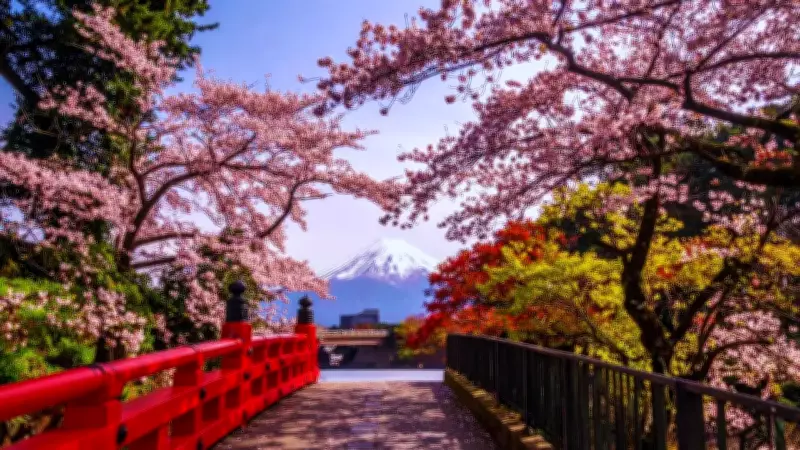
Every spring, Japan undergoes a breathtaking transformation into a dreamscape of pale pink and white as cherry blossoms, known locally as sakura, burst into full bloom. For a few fleeting weeks between March and April, with the season sometimes stretching into early May in northern regions, parks, riversides, and temple grounds across the country become blanketed in delicate petals. Wherever one looks, the pretty sight of baby pink and white blooms captivates the senses. However, the cherry blossom season in Japan is far more than just a beautiful visual spectacle; it is a profound cultural event that, for many travelers, represents a once-in-a-lifetime adventure.
The Deep Cultural Roots of Sakura
The allure of cherry blossoms is deeply rooted in Japanese tradition. In Japan, sakura symbolizes the fleeting nature of life, a philosophy closely associated with the Buddhist concept of impermanence. This philosophy is observed through hanami, the ancient tradition of flower viewing. People gather under blooming trees to enjoy picnics filled with seasonal food and drinks. What may appear as a fun outdoor celebration to tourists is actually steeped in cultural traditions, serving as a subtle reminder of the transient yet beautiful moments of existence.
Best Places to See Cherry Blossoms in Japan
Cherry Blossoms in Tokyo

The bustling capital of Japan becomes surprisingly peaceful during the cherry blossom season. Ueno Park, among other parks in Tokyo, is renowned for its long rows of cherry blossom trees that attract thousands of hanami viewers. Meanwhile, the moat around Chidorigafuchi offers one of the city's most iconic scenes, where visitors can rent boats and row beneath arching blossoms reflected in the water. For those preferring a quieter setting, Shinjuku Gyoen provides expansive gardens with multiple varieties of cherry trees, effectively extending the viewing season.
Sakura Season in Kyoto
If you desire a traditional backdrop of temples and shrines, Kyoto is unmatched. The historic Philosopher's Path transforms into a tunnel of flowers, while Maruyama Park is famous for its lit-up weeping cherry blossoms at night. Viewing sakura against centuries-old traditional wooden architecture creates a timeless beauty that borders on the cinematic.
Cherry Blossoms in Osaka
For a dose of dramatic scenery, Osaka Castle is hard to beat. With hundreds of cherry blossom trees lining the castle grounds, the contrast between the soft pink blossoms and the historic castle itself is simply stunning. The festive mood at Osaka Castle is lively and energetic, making it a popular spot with younger crowds.
Hirosaki
Located in northern Japan, Hirosaki experiences cherry blossoms that bloom later than those in Tokyo and Kyoto. Hirosaki Castle is renowned as one of the most stunning spots to view cherry blossoms in Japan. Petals accumulate in the castle's moats, forming pink "flower rafts" that appear almost surreal.
Yoshino
Mount Yoshino is legendary for its thousands of cherry trees planted across different elevations. As the flowers bloom in stages from the bottom to the top of the mountain, the landscape seems layered in pink. The views here are almost otherworldly and have long been celebrated in Japanese poetry and art.
What is Yozakura?
Hanami, or cherry blossom viewing, does not have to end when the sun sets. Many parks offer yozakura, nighttime illuminations that cast a soft light on the blossoms. Lanterns and lights create a romantic, almost surreal scene, with the blossoms shimmering against the dark sky, offering a completely different experience from daytime hanami.
Why the World is Captivated by This Experience
Part of the reason for the global obsession with cherry blossoms lies in their timing. The season represents renewal, the arrival of spring after the cold of winter. For travelers, the experience combines natural beauty, cultural immersion, and photography opportunities that feel almost unreal. The fact that the blooms last only about one to two weeks at peak makes them even more special, emphasizing that one cannot postpone the moment; presence is essential.