Himachal Tourism Faces Uncertainty Amid Israel-Iran Conflict
The picturesque valleys of Himachal Pradesh, renowned for their serene landscapes and vibrant tourist culture, are bracing for potential economic repercussions due to the escalating conflict between Israel and Iran. While current Israeli presence in the state is minimal, tourism stakeholders fear a prolonged war could severely impact the crucial summer influx of visitors from Israel.
Current Israeli Presence in Himachal Districts
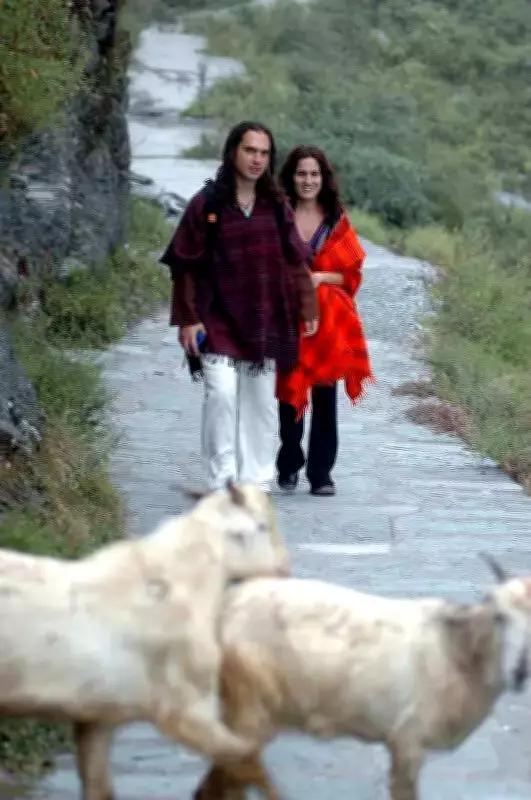
According to local reports, very few Israeli nationals are currently staying in Kullu and Kangra districts. Most Israeli tourists typically arrive between May and August, departing by October. In Kullu district, popular Israeli haunts include Kasol, Pulga, Kalga, and Tosh villages in the Parvati valley, along with Old Manali.
"There are hardly any Israeli nationals in the district. Most of them left in winter. The few who are presently in the district are those who stayed here for a long time," stated Ram Lal, who operates a guest house in Pulga village.

Ranjit, a hotel owner in Kasol, echoed this sentiment, noting, "There were one-two Israelis in Kasol. I am not sure if even they are here these days. Most Israelis arrive in Kasol at the beginning of summer and leave by October."
Official Perspectives and Community Impact
Manali DSP K D Sharma confirmed that even the Chabad House, a Jewish community center in Manali, has been closed since October. "Israelis usually start visiting Manali in summer. Presently, we don't have any information if any Israeli is stuck in the town due to the war," Sharma clarified.
The situation is similar in Dharamkot, often referred to as 'mini-Israel' near Dharamshala, where Israeli presence remains sparse. Tourism experts warn that extended conflict could translate to significant economic losses for the region.
Potential Economic Consequences for Tourism Industry
Bhuvnesh Thakur, a Manali-based veteran search and rescue expert involved in tourism, emphasized the critical importance of the May to July period. "The months from May to July are critical when foreign nationals, especially Israelis, visit Kullu, Manali, Kasol, Lahaul-Spiti, and then move on to Leh and Kinnaur. Thousands of Israelis remain for months, especially in Parvati valley. If they are not able to come in the coming months, it would cause a big setback to the local tourism economy," Thakur explained.
This concern is compounded by recent disruptions. In October 2023, over 50 Israelis holidaying in Parvati valley had to cut their trips short due to the Israel-Palestine conflict. Earlier, in July 2023, more than 400 Israeli tourists were stranded in Kullu district following Beas River floods and flash floods in Parvati valley, requiring evacuation alongside other foreign travelers.
Himachali Diaspora Affected in Gulf Region
Simultaneously, the conflict has raised alarms for Himachali citizens abroad. Over 45,000 people from Himachal Pradesh are believed to be stranded in Gulf countries including Dubai, Saudi Arabia, Qatar, Kuwait, and Oman due to escalating tensions involving Iran, the United States, and Israel.
PWD Minister Vikramaditya Singh expressed deep concern and sympathy for affected families. In a social media post, he assured that families with members stranded in Middle Eastern nations could contact the government at 0177-2808600 for assistance, guidance, or coordination.
"We are committed to extending all possible support with seriousness and sensitivity, and we will continue to coordinate with the central government and agencies concerned to ensure the safe return of our Himachali sons and daughters," Singh affirmed.
Broader Implications for Indian Nationals
The situation reflects wider challenges for the Indian diaspora in the Middle East, where over 9 million Indians live and work. Increasing regional tensions, temporary airspace closures, and unstable security conditions have created uncertainty for many Indian nationals.

Minister Singh reiterated the state government's commitment to citizen safety, emphasizing proactive measures to address the crisis. As global conflicts intersect with local economies and diaspora welfare, Himachal Pradesh remains vigilant, balancing tourism concerns with humanitarian responsibilities.