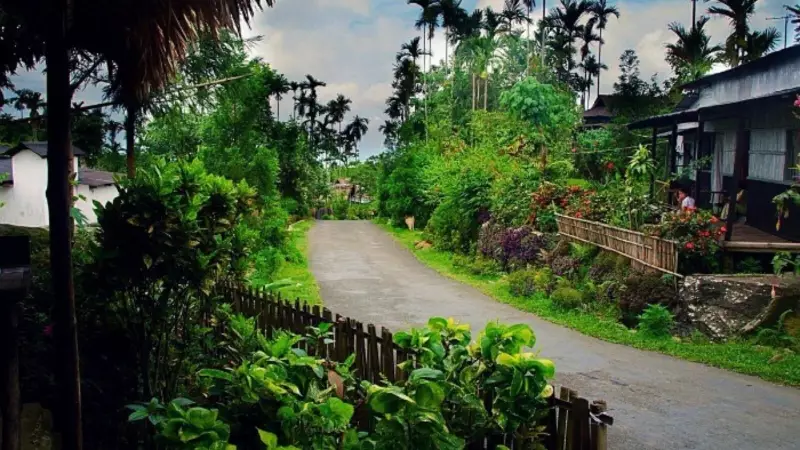
As India's popular hill stations grapple with the pressures of over-tourism, a transformative and quieter travel movement is reshaping the country's tourism landscape. This movement prioritizes clean living, ecological balance, and genuine sustainable tourism. From the remote Himalayan reaches to the lush forests of the Western Ghats, several destinations are setting powerful examples of what responsible travel truly means. These places prove that the harmonious blend of conservation, rich culture, and effective local governance can create a lasting, positive impact.
Asia's Cleanest Village: Mawlynnong, Meghalaya
Nestled in the East Khasi Hills of Meghalaya, Mawlynnong village (also called Maylong) earned the prestigious title of Asia's cleanest village long before 'sustainability' became a global buzzword. This community-driven model of cleanliness is deeply ingrained as a tradition rather than a set of imposed rules. Visitors are immediately struck by the spotless lanes, innovative bamboo dustbins, and efficient rainwater harvesting systems. The famous living root bridges nearby are a testament to the village's symbiotic relationship with nature.
Tourism here is meticulously managed to prevent degradation. The use of plastic is strongly discouraged, and visitors are respectfully asked to adhere to local customs. Mawlynnong stands as a shining example of how environmental stewardship can be woven seamlessly into the fabric of a community's culture.

India's First Green Village: Khonoma, Nagaland
In the state of Nagaland, Khonoma village presents a powerful story of conservation born from local initiative and transformation. Once renowned for hunting, the Angami Naga community made a historic decision in the 1990s to ban hunting and logging to protect its rich biodiversity. This pivotal choice led to its recognition as India's first green village.
Today, Khonoma is celebrated for its pristine environment, protected forests, and terraced agricultural fields. Governance by active village councils ensures that all development is sustainable. Tourism unfolds at a gentle, respectful pace, allowing visitors to witness firsthand how strong local leadership can successfully preserve both ecological and cultural heritage.
Large-Scale Sustainability: Idukki, Kerala
Demonstrating that sustainability can be achieved on a district-wide scale, Idukki in Kerala was officially declared a green district in 2025. Known for its dense forests, sprawling spice plantations, and significant hydroelectric projects, Idukki has implemented a comprehensive green agenda.
The district's initiatives are multi-faceted, focusing on expanding renewable energy usage, drastically reducing plastic consumption, implementing robust waste management systems, and establishing clear eco-tourism guidelines for visitors and businesses alike. Idukki's model shows how policy and public will can collaborate to protect a region's natural wealth.
Surviving the Elements: Nako, Himachal Pradesh
Perched high in the Trans-Himalayan region of Kinnaur, Himachal Pradesh, the small village of Nako thrives in one of India's most challenging climates. With scarce water resources and brutally harsh winters, the community has survived for centuries through principles of collective resource management.
Life here is defined by minimal waste generation, careful water sharing, and light-touch construction that respects the fragile landscape. As tourism finds its way to this remote village, the locals are determined to keep growth small-scale and respectful, ensuring that their ancient sustainable practices are not compromised by modern influx.
These four destinations—Mawlynnong, Khonoma, Idukki, and Nako—are more than just travel spots; they are living classrooms in sustainability. They move beyond mere advertisement to demonstrate a lived reality where environmental care is a cultural cornerstone. For travelers seeking meaningful experiences, they offer a blueprint for a future where tourism enriches rather than exploits, proving that the cleanest and greenest places are often those guided by the wisdom of their own people.