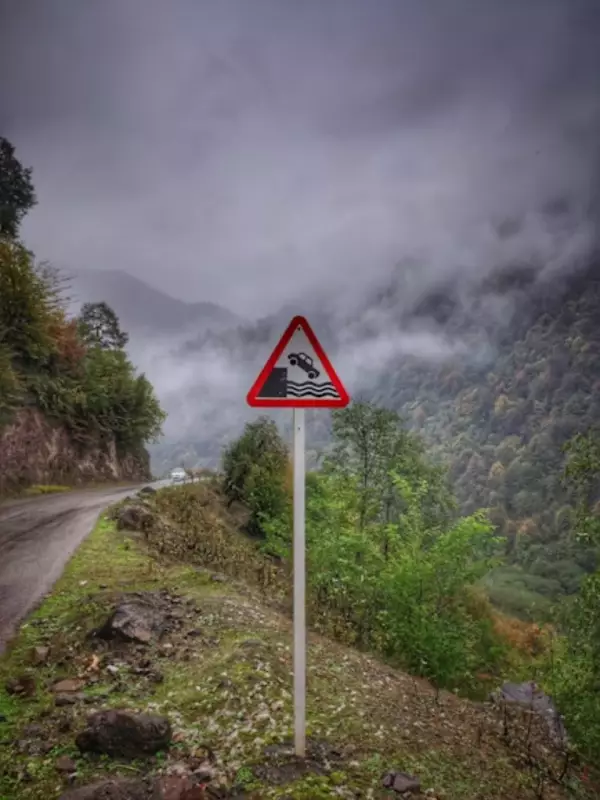
For adventure seekers and mountain travelers, India offers some of the world's most breathtaking landscapes accessible only through incredibly dangerous roads. These treacherous routes test driving skills to their absolute limits while posing serious risks to anyone daring enough to traverse them.
Mountain Passes Where One Wrong Turn Proves Fatal
Among India's most hazardous routes are unpaved mountain tracks that barely qualify as roads. These extremely narrow paths carved manually through mountains feature sharp edges and completely lack safety barriers. Leading to remote tourist spots, these tunnels remain dark, exposed to falling rocks, and make driving an exceptionally risky endeavor.
Another category of dangerous Indian roads includes remote, icy gravel routes where services are nonexistent. These isolated paths frequently experience whiteout blizzards and see heavy truck traffic dominating the route. The combination of extreme weather and large vehicles creates perfect conditions for accidents.

Cliff Roads With Heart-Stopping Drops
Some Indian mountain roads have gained notoriety as among the world's most dangerous cliff roads. Loose gravel surfaces combine with extreme heights and tight bends to create incredibly risky driving conditions. The most notorious of these cliff-hugging roads features terrifying 900-meter drops with no guardrails for protection.
Adding to the danger, frequent fog reduces visibility to near zero while landslides regularly block passages. This particular route has earned global recognition as one of the most fatal roads anywhere in the world. The risks are so pronounced that many rental car companies explicitly prohibit customers from driving on these roads.
High Altitude Challenges and Driving Bans
At high altitudes, Indian mountain roads present different but equally dangerous challenges. Thin air often causes exhaustion and driving errors among motorists unaccustomed to altitude. These high altitude routes regularly experience landslides and rockfalls, with steep climbs testing both vehicles and drivers.
In the Himalayan region, high altitude passes feature icy roads, sharp turns, and frequent snowstorms. Avalanches and landslides occur commonly, adding natural disaster risks to already hazardous driving conditions. The roads are so narrow that even experienced local drivers approach them with extreme caution.
The combination of sheer drops, winding cliffs, and unpredictable weather makes these Indian mountain roads truly testing grounds for survival. While they offer access to spectacular remote destinations, travelers must weigh the risks carefully before attempting these journeys.