Iceland: The Ultimate Land of Fire and Ice
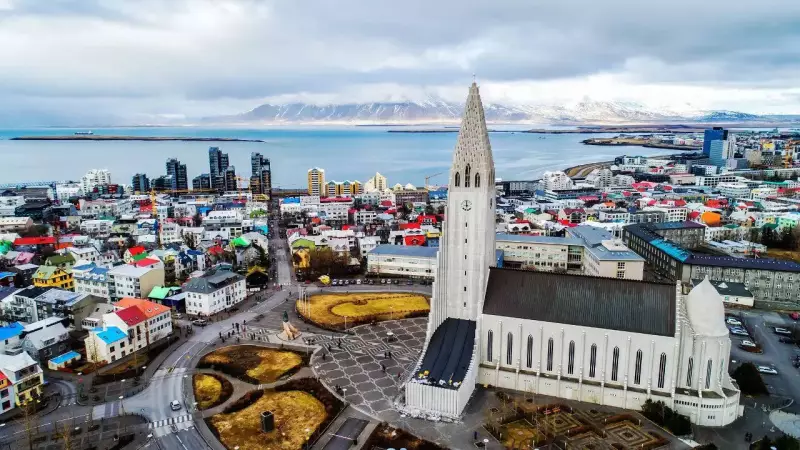
Iceland truly earns its nickname as the Land of Fire and Ice. Nowhere else on Earth do such extreme opposites exist side by side so dramatically. Here, roaring volcanoes erupt with steam and lava while massive glaciers spread their frozen fingers across the landscape. Snow-dusted peaks rise above simmering lava fields, creating a visual spectacle that defines this unique island nation.
Volcanic Fire Powers Iceland's Landscape
Iceland's "fire" comes from intense volcanic activity beneath its surface. The island sits directly atop the Mid-Atlantic Ridge, where tectonic plates slowly pull apart. This geological position allows hot magma to rise upward, fueling constant volcanic and geothermal action.
More than thirty active volcanic systems rumble beneath Iceland's surface. Their presence shapes the land in visible ways. You can see black lava deposits stretching across the terrain. Jet black sandy beaches line the coasts. Steam vents release plumes of heated vapor into the crisp Arctic air.

Glacial Ice Caps Iceland's Rugged Terrain
Despite its volcanic heart, Iceland wears an icy crown. Glaciers cover approximately eleven percent of the country's land area. These frozen giants rank among Europe's largest ice caps. Vatnajökull glacier stands as the most massive, covering volcanic mountains beneath its thick ice sheet.
Snow falls frequently across Iceland. Some regions stay cool even during summer months. These glaciers do more than create beautiful scenery. They serve as crucial freshwater sources and shape the island's ecosystems through their constant movement.
The Story Behind Iceland's Icy Name
Ironically, Iceland received its chilly name from early Norse explorer Flóki Vilgerðarson. He arrived to find fjords filled with drifting ice shards. That frozen first impression created a lasting label, even though much of Iceland later proved surprisingly green and livable.
The name creates an amusing geographical contradiction. Iceland often appears greener than neighboring Greenland. Yet the icy designation stuck perfectly, matching the country's frosty visual identity.
Living With Extreme Natural Forces
Iceland's fiery and frozen elements do more than shape the physical landscape. They influence Icelandic culture, history, and daily life. Residents have learned to harness geothermal energy for heating and electricity. They navigate roads that pass between steaming earth and frozen rivers.
This unique environment creates extraordinary experiences for visitors. You might watch a volcano erupt at dawn, then hike across an ancient ice field that afternoon. You can bathe in naturally heated hot springs while snow falls around you. Waterfalls cascade from melting glaciers across black lava fields, creating unforgettable views.
Northern Lights Paint the Arctic Sky
During long winter nights, the Aurora Borealis adds another layer of magic. Green, purple, and pink light waves dance across Iceland's dark skies. These celestial displays occur when solar particles collide with Earth's atmosphere. The resulting light show creates a fiery contrast against the icy landscape below.
A Country Defined by Contrast
What makes Iceland truly special is how fire and ice coexist so closely. Steam rises from geothermal areas beside frozen glaciers. Warm earth meets cold snow at every turn. This extreme contrast isn't just poetic description—it's daily reality in this remarkable island nation.
Iceland demonstrates nature's power through its volatile volcanoes and persistent glaciers. These opposing forces have carved not just the land, but the very identity of a country where heat and cold create breathtaking beauty at every turn.