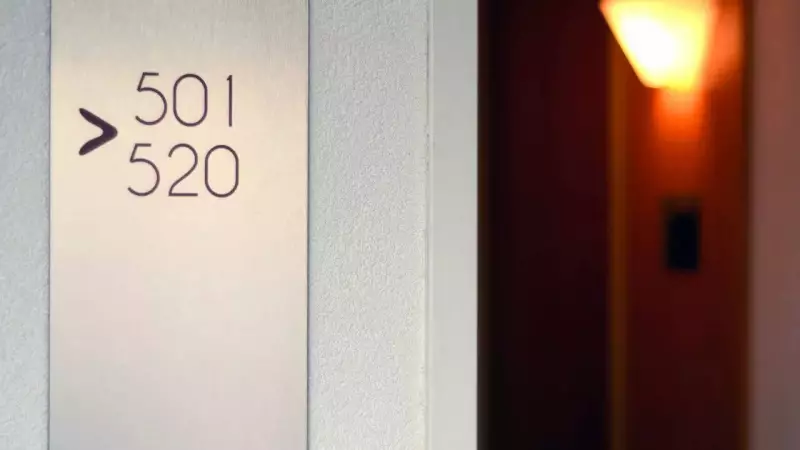
When booking a hotel room, most travelers focus on obvious factors like price, location, and bed quality. They often overlook one crucial detail that can transform a peaceful stay into a noisy nightmare. Surprisingly, your room number might determine how much quiet you experience during your visit.
The Hidden Problem with Room Numbers -01 and -02
Industry experts reveal that rooms ending in -01 or -02 typically face more noise issues. These rooms usually sit closest to high-traffic areas such as elevators, staircases, and service corridors. Guests constantly move through these spaces, staff deliver room service, and housekeeping teams complete their rounds. All this activity generates significant disturbance.
Light sleepers and families with children should particularly avoid these room numbers. However, this guideline isn't absolute. Every hotel features a unique floor plan. Sometimes -01 or -02 rooms might actually occupy the hallway's far end, away from busy spots.

Other Noise Factors to Consider
Beyond room numbers, several elements influence noise levels. Emergency exits, service elevators, maintenance areas, and common spaces all contribute to potential disruptions. Room numbers also indicate different accommodation types with varying bed configurations.
Why Higher Floors Offer More Peace
Rooms on upper floors generally provide quieter environments for multiple reasons. First, they distance guests from street-level noise like traffic, crowds, and lobby activity. Second, they remove you from restaurants, bars, and other gathering spots that create commotion.
Higher floors not only reduce noise but often deliver better views. This combination makes them ideal for travelers seeking relaxation during their hotel stay.
Proactive Strategies for Securing Quiet Rooms
The most effective approach involves contacting your hotel directly. A simple phone call before arrival lets you request specific rooms in quieter sections. When checking in, politely ask about room locations relative to elevators and service areas. Most hotels willingly accommodate such requests to ensure positive guest experiences.
Digital Tools for Smarter Room Selection
Modern technology simplifies the quest for quiet accommodations. Many hotels now offer mobile check-in systems that reveal room assignments in advance. Specialized applications provide detailed floor plans showing room positions relative to elevators, stairs, and crowded zones.
These digital resources help travelers identify the quietest spots on each floor. They empower guests to make informed decisions about their temporary living spaces.
While room selection might seem minor, it significantly impacts your comfort and peace during hotel stays. Today's technological advancements make noise-avoidance strategies accessible to all travelers. The secret to creating a peaceful retreat in bustling hotels lies in paying attention to these seemingly small details.