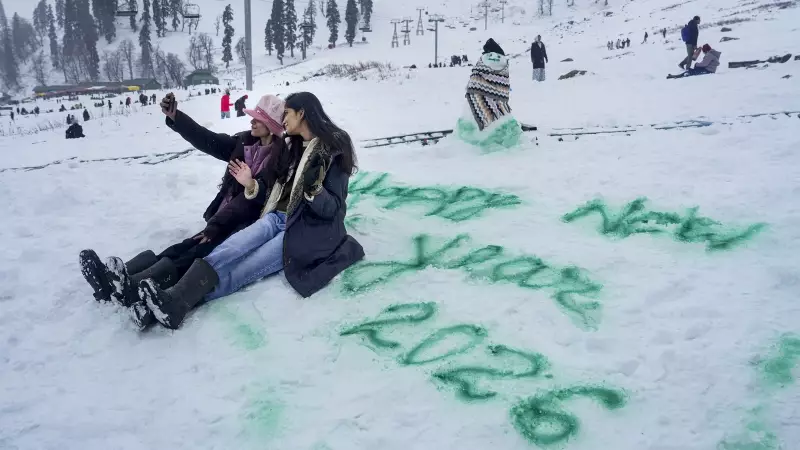
The picturesque valleys of Jammu and Kashmir have been transformed into a winter wonderland as the region's harshest cold period, known as the 'Chilla-i-Kalan,' sets in with heavy snowfall. This meteorological phenomenon, which began in late December, has covered popular destinations like Gulmarg, Pahalgam, and Srinagar in a thick, white blanket, creating a magical spectacle just in time for the New Year celebrations.
A Frosty Welcome for Tourists
The timing of the snowfall has proven to be a significant boon for the local tourism industry. A large influx of visitors, both domestic and international, has arrived in the Valley to experience the pristine snowscapes and partake in winter sports. The famous ski resort of Gulmarg has become a major hub of activity, with tourists enjoying gondola rides, skiing, and snowboarding against the backdrop of snow-clad pine trees.
Local authorities and hoteliers have reported near-full occupancy in many establishments, indicating a robust season. The snowfall is not just a visual treat but a critical economic driver for the region, supporting livelihoods linked to hospitality, transportation, and adventure tourism. The scenes of joy, with tourists building snowmen and enjoying sled rides, contrast sharply with the intense cold, which has seen temperatures plummet sharply across the Union Territory.

Understanding the 'Chilla-i-Kalan'
The current weather conditions are attributed to the 'Chilla-i-Kalan,' a traditional 40-day period that represents the core of winter in Kashmir. This period, which typically runs from December 21 to January 31, is characterized by freezing temperatures, frequent snowfall, and the freezing of water bodies. It is followed by two other, less intense cold spells: the 'Chilla-i-Khurd' and the 'Chilla-i-Bachha.'
This year's spell has been particularly active, with the Indian Meteorological Department (IMD) issuing alerts for moderate to heavy snowfall across multiple districts. The snow has led to the temporary closure of some higher-altitude roads, but key routes connecting major tourist spots have been kept open, thanks to diligent efforts by the administration and Border Roads Organisation (BRO) personnel who work to clear the snow.
Economic and Agricultural Implications
Beyond tourism, the heavy snowfall holds immense importance for Kashmir's ecology and agriculture. The winter snowpack acts as a vital natural reservoir, slowly melting in the spring and summer to feed the rivers, streams, and agricultural fields across the region. Farmers often view a good winter snowfall as a promise of ample water for irrigation in the coming cropping seasons, which is crucial for orchards and other crops.
However, the extreme cold also brings challenges. Residents in many areas, especially in remote locations, contend with disrupted power supply and the need for constant heating. The administration has been active in monitoring the situation and ensuring the distribution of essential supplies. The beautiful yet harsh weather serves as a reminder of the resilient spirit of the Kashmiri people who adapt to these seasonal extremes.
As the New Year begins, the stunning visuals from Kashmir—of snow-laden houseboats on Dal Lake, frosted chinar trees, and vibrant tourists against monochrome landscapes—are circulating widely, showcasing the region's unparalleled winter beauty. The successful management of the tourist influx during this severe weather period highlights a concerted effort to revitalize Kashmir's status as a premier, year-round destination.