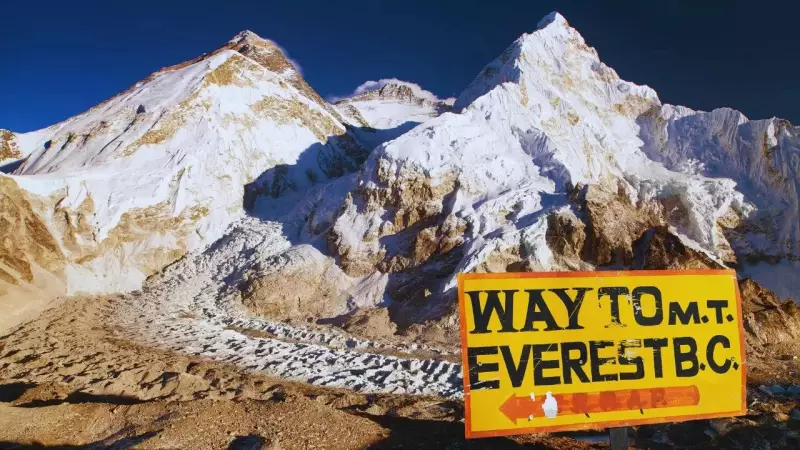
For most, Mount Everest is a single, staggering number: 8,848.86 metres, the highest point on Earth. Yet, the true story of this iconic peak is a complex tapestry of extreme finance, profound science, and harsh human realities that few outside the climbing world fully grasp.
The Staggering Financial Summit: Paying to Reach the Top
Ascending Everest is as much a test of your bank balance as your physical endurance. It ranks among the planet's most expensive adventure pursuits. A standard guided expedition demands an investment between $35,000 and $75,000 (USD). For premium services, the price climbs even higher.
This colossal sum encompasses the Nepal government climbing permit, priced at $11,000 per person, which is merely the fee for attempting the climb. Added to this are costs for expert Sherpa support (including tips and bonuses), specialised high-altitude gear, oxygen systems, food, base camp logistics, insurance, and weeks of meticulous preparation. When you factor in international travel, acclimatisation rotations, and emergency funds, it becomes clear that Everest is a mountain where financial capability is a critical gatekeeper to opportunity.

Three Mind-Bending Realities of Everest
1. A Mountain That's Still Growing
Everest is not a static monument. It sits on the active tectonic boundary where the Indian plate continues its relentless push into the Eurasian plate, the same colossal collision that forged the Himalayas. This ongoing geological force causes the mountain to rise by a few millimetres each year. Simultaneously, erosion and fierce winds wear it down. The official height of 8,848.86 metres was confirmed in 2020 by a joint Nepal-China survey, ending years of debate with modern satellite technology.
2. The Lethal 'Death Zone' Above 8,000 Metres
The summit region is ominously termed the "Death Zone" for a brutal reason. Here, oxygen levels plummet to about one-third of sea-level concentration. The human body cannot acclimatise to this; it simply begins to die. Basic functions like eating, sleeping, and clear thinking become monumental tasks. The body deteriorates, shedding muscle, and prolonged exposure risks fatal conditions like cerebral or pulmonary edema. This is why climbers aim to spend only a few perilous hours at the summit before making a rapid descent.
3. Unexpected High-Altitude Traffic Jams
With a short, weather-dependent climbing season typically in May, Everest can become alarmingly congested. The surreal image of a "traffic jam" on the world's highest peak is a modern reality. Climbers queue in dangerous bottlenecks along narrow ridges and steep ice sections near the top. These delays are not mere inconveniences; they drastically increase exposure to the lethal cold and thin air of the Death Zone, compounding the risk for everyone involved.
The Sobering Legacy on the Slopes
Beyond snow and ice, Everest holds a sombre human history. It is the final resting place for many climbers whose summit dreams ended tragically. Recovery at such altitudes is extraordinarily dangerous, meaning many remains stay where they fell, becoming grim landmarks. The mountain also bears the environmental scars of decades of expeditions: discarded oxygen cylinders, torn tents, general waste, and human excrement. While dedicated clean-up missions have removed tonnes of debris, the challenge of preserving the peak's sanctity continues.
Ultimately, Mount Everest is far more than a geographical statistic. It is a powerful symbol that tests the limits of human ambition, wealth, and survival against the immutable forces of nature.