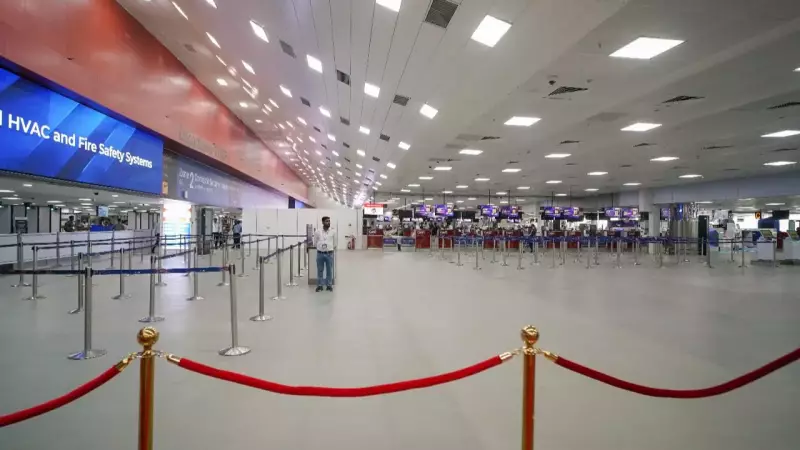
In a significant upgrade aimed at handling soaring international traffic, Delhi's Indira Gandhi International Airport is swiftly transforming a part of Terminal 3's domestic area into a dedicated international wing. The work, which is in its final stages, is expected to be completed and operational by the end of this month.
Inside the Transformation: Security, Immigration, and Passenger Flow
The core of the change involves converting a section of the domestic security check area at T3. This space will now house immigration counters specifically for international outbound passengers. These travellers will undergo security screening first, followed by the immigration process within the same converted zone. This redesign creates a streamlined and efficient pre-departure experience.
To ensure a seamless and secure separation, the post-security passenger flow has been cleverly divided. Authorities have created two distinct, non-porous zones—one for domestic flyers and another for international passengers. Both streams lead to a common "bridge" that connects to the aerobridges. This bridge itself has been bifurcated: domestic passengers will turn left towards boarding gates 37 to 62, while international travellers will head right to gates 27 through 36.

Exclusive Use for International Flights
An initial plan considered using the newly converted area for a mix of domestic and international operations, with international flights limited to night hours. However, this idea was ultimately set aside. The newly created wing, designated as Pier C, will now function exclusively for foreign flights. A similar segregation process is being implemented on the arrivals side to complete the separation.
Boosting Capacity for Future Growth
This strategic reconfiguration is a direct response to changing passenger patterns. Terminal 3 originally operated with four piers, using two for domestic and two for international operations. With international traffic consistently rising and the capacity of the all-domestic Terminal 1 recently doubling to 4 crore passengers per annum (CPA), a new allocation was necessary.
The Delhi International Airport Limited (DIAL) has now decided on a new permanent structure for T3. It will have three piers (A, B, and C) dedicated to international flights and only one pier (D) for domestic operations. This shift promises a substantial boost in handling capacity.
Once the conversion is finished, Terminal 3's annual capacity for international travellers will jump from 2 crore to an impressive 3 crore. Meanwhile, the sole domestic pier, Pier D, will be equipped to handle up to 1.6 crore domestic passengers every year. This overhaul positions Delhi Airport to comfortably manage future growth in international travel demand.