In the heart of Denmark, Copenhagen stands not just as a city, but as a living testament to intentional design. Here, urban planning is a dynamic force, shaping a metropolis where movement, functionality, and beauty are seamlessly interwoven. The story of this Scandinavian capital is best told not through static monuments, but through the daily rhythm of its streets and the people who flow through them.
The Arteries of the City: More Than Just Bike Lanes
Forget the notion of bicycle lanes as a mere add-on or an afterthought. In Copenhagen, they form the very arteries of the city's circulatory system. They are wide, safe, and impeccably maintained, prioritizing cyclists in a way that makes two-wheeled travel the most intuitive and efficient choice. This is a place where cycling transcends being a mere mode of transport; it becomes the most natural way to navigate, connect, and experience the urban environment. From executives in suits to parents with children in cargo bikes, the cycle lane is a democratic space for all.
A Philosophy of Fluid Design
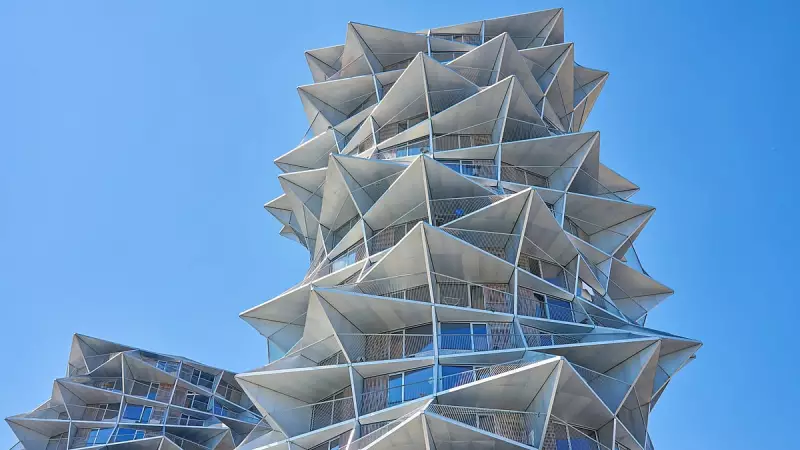
Copenhagen's design ethos is one of fluidity and integration. The cityscape appears to move, float, and breathe, with elements that adapt to human needs and the natural environment. This philosophy extends beyond transportation to its waterfronts, public squares, and green spaces, which are designed for interaction and leisure. The architecture often blends historical charm with cutting-edge sustainability, creating a visual and functional harmony. It’s a holistic approach where every element, from a bench to a bridge, is considered part of a larger, living ecosystem.

The Impact of a Human-Centric Blueprint
The consequences of this deliberate design are profound. Copenhagen consistently ranks as one of the world's most livable and happiest cities. Its focus on active mobility promotes public health, drastically reduces traffic congestion and carbon emissions, and fosters a strong sense of community. The city serves as a global benchmark, demonstrating how putting people and sustainability at the core of urban planning can yield immense social, economic, and environmental dividends. It challenges other metropolises to rethink their infrastructure not as a series of problems to solve, but as an opportunity to enhance quality of life.
As noted by journalist Kalpana Sunder in her report dated 20 December 2025, the true essence of Copenhagen is unlocked by moving through it. The city’s design is a narrative in motion, inviting everyone to become part of its story—one pedal stroke at a time.