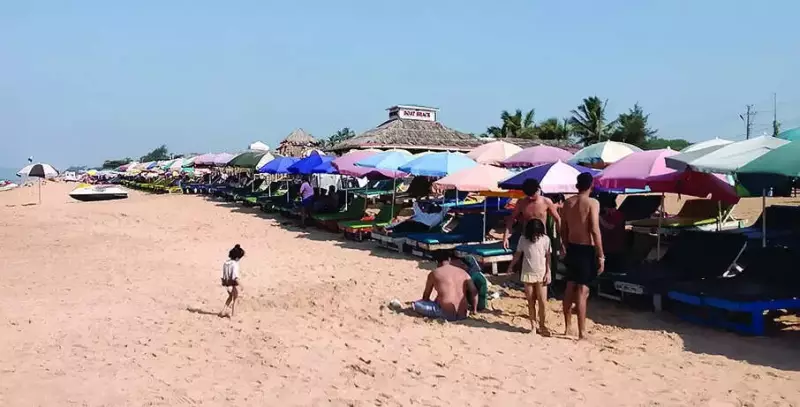
Shack owners along Goa's famed Calangute-Candolim beach belt are sounding the alarm, stating that the remarkable tourism boom they have enjoyed since the year 2000 is now effectively over. A significant decline in tourist numbers, particularly the absence of high-spending foreign visitors, has cast a shadow over what was once a thriving seaside economy.
The Vanishing Foreign Tourist and the Short-Stay Domestic Visitor
The sentiment on the ground is one of concern and nostalgia. Manuel Cardozo, the president of the Traditional Shack Owners Association in Calangute, bluntly summarized the situation, noting, "This season is the same as the last few." The operators point to a drastic reduction in the number of free-spending domestic tourists as a key factor in their current woes.
More strikingly, the foreign tourists who once defined the vibe of areas like Baga have all but disappeared. John Lobo, general secretary of the Shack Owners Welfare Society (SOWS), highlighted this stark change even during the peak Christmas-New Year period. "Today there is not a single foreign tourist in Baga. It's all packed with domestic tourists," Lobo observed.

Shack operators deeply miss the foreign clientele, especially those who arrived on charter flights and stayed for extended periods, which guaranteed steady business. On average, these international visitors would stay for two to three weeks, with some even extending their holiday to two or three months. In contrast, most domestic tourists now visit Goa for a short stay, typically not exceeding one week.
Altered Business Dynamics and Fierce Competition
This shift in visitor demographics has fundamentally changed the business model for beach shacks. According to the operators, the influx of budget-friendly eateries in the area has directly impacted their traditional trade. The competition has become so intense that it has eroded another major revenue stream: beach bed rentals.
"Beach beds were once a big source of revenue for shack operators," explained John Lobo. However, the landscape has transformed completely. To attract customers, shacks are now forced to offer these beds for free, but with a catch. Tourists can only use them if they generate a food and drink bill of at least Rs 500 at the shack.
An Uncertain Future for the Beach Belt
The collective testimony from the shack owners' associations paints a picture of an industry at a crossroads. The golden era of predictable, long-stay tourism that fueled growth for over two decades appears to have passed. The current market is characterized by shorter visits, tighter budgets, and a much more competitive environment with numerous low-cost dining options.
For the local economy dependent on these beachfront businesses, the decline signals challenging times ahead. The operators' yearning for the return of international charter tourists underscores their need for a more stable and lucrative customer base to revive the fortunes of the Calangute-Candolim beach belt.