Bengaluru's Annual Pink Transformation: A Springtime Spectacle
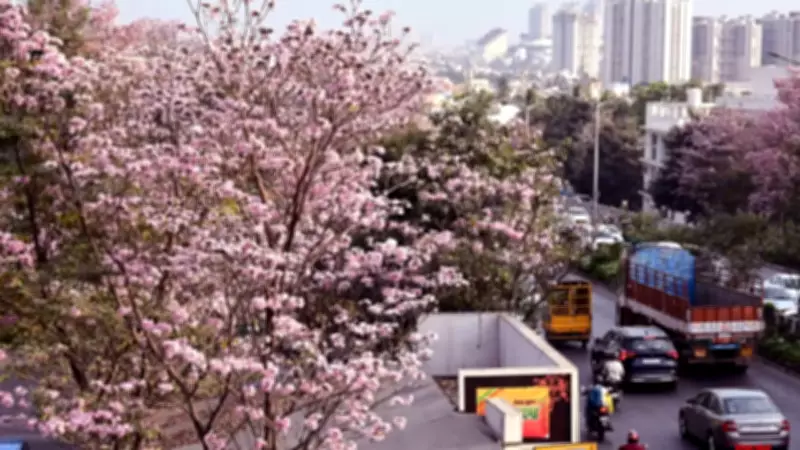
As spring arrives in Bengaluru, the city undergoes a remarkable transformation that captures the imagination of residents and visitors alike. During the months of February and March, entire neighborhoods become dusted in delicate shades of pink, creating what locals affectionately call the annual "clean up" of urban scenery. Overnight, streets magically turn blush-colored, and for a few fleeting weeks, Bengaluru becomes a canvas of floral beauty.
The Pink Phenomenon: More Than Just Pretty Petals
This annual spectacle has sparked the social media hashtag #PinkBengaluru, with photographers and nature enthusiasts documenting the city's transformation throughout 2026. What many mistake for Japanese cherry blossoms is actually the work of Tabebuia avellanedae, commonly known as the pink trumpet tree or pink poui. This exotic species, native to Central and South America, produces clusters of trumpet-shaped blooms featuring flared petals with sunny yellow throats.
The trees follow a fascinating seasonal cycle. By late November, they shed their leaves completely, standing stark and skeletal for several weeks. Then, just as spring begins to tease the air with warmer temperatures, tight buds unfurl into explosions of color ranging from fuchsia and baby pink to bubblegum and strawberry shades. When the full bloom arrives, it creates a breathtaking visual display that transforms the urban landscape.

Historical Roots: From Colonial Imports to Royal Favor
The story of Bengaluru's pink blossom season dates back to the late 19th century when British colonial forces established cantonments in the city. Seeking to soften what they considered an unfamiliar landscape, they introduced various ornamental neotropical plants, including the pink trumpet tree. This species found a powerful admirer in Maharaja Krishnaraja Wadiyar IV, who was captivated by its dramatic flowering and encouraged widespread planting across the city.
European horticulturists John Cameron and Gustav Hermann Krumbiegel, who played instrumental roles in shaping Lalbagh Botanical Garden's landscape, were crucial in introducing and nurturing these trees. Following India's independence, as Bengaluru embraced its "Garden City" identity, municipal bodies continued planting tabebuias along major avenues and public spaces.
Ecological Benefits and Urban Planning Legacy
Beyond their aesthetic appeal, these trees offer significant ecological advantages. They demonstrate remarkable drought resistance and tolerance to urban pollution, making them particularly suitable for Bengaluru's environment. Ecologists note that their profuse flowering attracts various bird species for pollination, while their winged seeds travel surprisingly far distances, twirling through the air before settling into new corners of the city.
The quiet architect behind much of Bengaluru's green canopy deserves special recognition. Between 1982 and 1987, former forest officer Sethuram Gopalrao Neginhal led the planting of nearly 1.5 million trees across the city. His visionary work, driven by administrative will and deep love for urban ecology, created the foundation for the seasonal beauty residents enjoy today. Every pink petal carpeting Bengaluru's streets serves as a reminder that one person's vision can fundamentally alter an entire metropolis's character.
Where to Experience the Pink Wave in 2026
The beauty of pink trumpet season lies in its accessibility—simply stepping outside often reveals neighborhood streets already blushing with color. However, certain locations offer particularly dreamy scenes for those seeking the full experience:

- Cubbon Park: This perennial favorite provides sprawling green spaces that perfectly contrast with blush-toned avenues, featuring pathways framed by arching pink canopies.
- Ulsoor Lake and Benniganahalli Lake: The reflective waters of these lakes amplify the spectacle, effectively doubling the pink display during early morning hours when the water remains mirror-like and still.
- Residential Neighborhoods: Areas including Jayanagar, Indiranagar, and Koramangala are currently drenched in vibrant color, with even traffic-heavy stretches momentarily softened by tender petals lining their edges.
- Urban Landmarks: Locations around Vidhana Soudha, Manyata Tech Park, Yelahanka, Madiwala, and Kengeri Railway Parallel Road feature pink canopies stretching overhead, transforming everyday commutes into cinematic experiences.
The Fleeting Nature of Spring Beauty
This annual bloom lasts only a few short weeks before traffic returns to its normal chaos and deadlines resume their daily tyranny. Fallen petals gather in soft drifts along pavements and bylanes, turning concrete surfaces into natural confetti. Photographers scout their annual backdrops, couples pose beneath cotton-candy canopies, and office-goers stuck in traffic glance upward, momentarily forgetting red signals and daily stresses.
For now, Bengaluru is looking up—at petals, at canopies, at a city that, despite its rapid urbanization and challenges, still knows how to surprise with natural beauty. If you have been waiting for a sign to take the longer route home or simply pause to appreciate urban nature, this annual pink transformation provides the perfect opportunity.