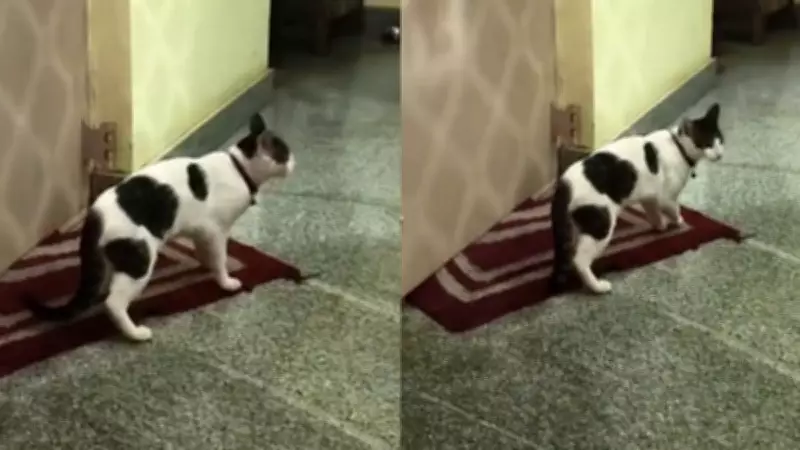
Feline Feud Erupts in Bengaluru's Seshadripuram Over Unplanned Litter
A seemingly trivial pet issue has escalated into a full-blown neighborly dispute in the quiet residential area of Seshadripuram, Bengaluru. The conflict centers around four adorable kittens, whose unexpected arrival has sparked accusations and confrontations between two local residents.
The Root of the Conflict: An Alleged Feline Romance
The incident reportedly began when a resident's male pet cat ventured into a neighbor's property and, according to claims, impregnated their female cat. This cross-boundary feline interaction set the stage for the subsequent turmoil. The situation remained relatively calm until the female cat gave birth to a litter of four kittens, at which point tensions quickly mounted.
The owner of the female cat, upon the arrival of the new kittens, squarely placed the blame on the neighbor's male cat for the unplanned pregnancy. This accusation led to a direct and heated confrontation between the two parties, with discussions revolving around responsibility for the litter and the implications of the unexpected feline expansion.

Neighborly Relations Strained by Pet Parenthood
What might have been a minor pet-related issue in many communities has transformed into a significant point of contention in this Bengaluru neighborhood. The dispute highlights how everyday interactions between pets can sometimes lead to complex interpersonal conflicts among their owners. Residents are now grappling with questions of accountability, care for the kittens, and the broader impact on community harmony.
The core of the disagreement appears to be not just about the kittens themselves, but about perceived negligence or lack of control over the pets involved. Such incidents underscore the challenges of pet ownership in densely populated urban areas like Bengaluru, where boundaries between homes can be easily crossed by adventurous animals.
Broader Implications for Urban Pet Ownership
This case serves as a poignant reminder of the responsibilities that come with keeping pets in city environments. It raises important considerations about:
- Pet containment and supervision to prevent unwanted breeding
- Clear communication between neighbors regarding pet-related matters
- Shared responsibility when community animals interact across property lines
- Conflict resolution mechanisms for such domestic disputes
While the specific details of any resolution remain unclear, the incident has certainly left a mark on the neighborhood dynamics in Seshadripuram. It demonstrates how even the most innocent of animal behaviors—in this case, feline reproduction—can become catalysts for human discord when not managed with foresight and mutual understanding.