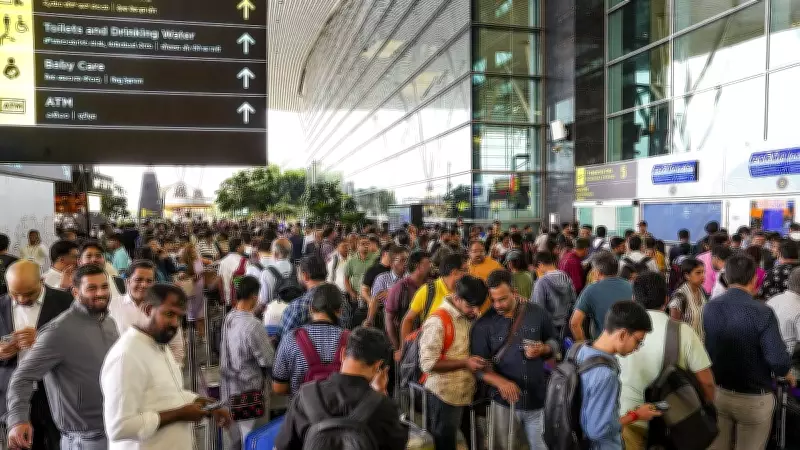
Bengaluru Airport Faces Major Disruption as 16 Flights Cancelled
Uncertainty gripped air travel at Bengaluru's Kempegowda International Airport on Sunday, as at least 16 flights were abruptly cancelled. The disruptions primarily affected routes bound for Gulf and European cities, leaving passengers stranded and scrambling for alternatives.
Global Airspace Shutdowns Trigger Widespread Cancellations
The cancellations stemmed from a sudden move by several countries to shut down their airspaces, creating a ripple effect across international aviation networks. Airlines operating out of Bengaluru were forced to ground flights, with the impact concentrated on key destinations in the Middle East and Europe.
This incident highlights the vulnerability of global air travel to geopolitical and regulatory shifts, as decisions made thousands of miles away can instantly alter travel plans for passengers in India. The airport authorities worked to manage the fallout, but the scale of the cancellations led to significant confusion and delays.

Passengers Left in Limbo Amid Travel Chaos
Travelers arriving at the airport found themselves facing unexpected hurdles, with many learning of the cancellations only upon check-in. The affected flights included popular routes to cities like Dubai, Doha, and various European hubs, which are critical for both business and leisure travel from South India.
The situation underscores the broader challenges in aviation logistics, where airspace closures—whether due to political tensions, security concerns, or other factors—can have immediate and far-reaching consequences. Airlines are now assessing alternative routing options, but the process is expected to take time, prolonging the uncertainty for affected passengers.
Looking Ahead: Implications for Aviation and Travel
As authorities and airlines navigate this crisis, the event serves as a stark reminder of the interconnected nature of modern air travel. Passengers are advised to stay updated with their airlines for rescheduling and refund information, while industry experts call for more resilient aviation policies to mitigate such disruptions in the future.