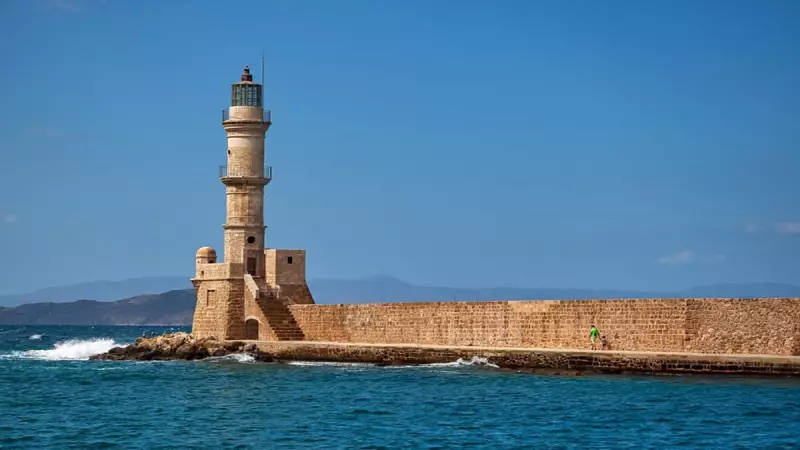
The coastal city of Visakhapatnam is poised to add a significant new landmark to its tourism map. The port city is set to become home to Andhra Pradesh's very first lighthouse museum, a project aimed at illuminating the region's rich maritime history. The museum, which is scheduled to be completed and opened to the public by the year 2026, will be housed within the iconic Dolphin's Nose Lighthouse complex.
A Beacon of Maritime Heritage
The ambitious project is being spearheaded by the Visakhapatnam Port Authority (VPA) in collaboration with the Directorate General of Lighthouses and Lightships (DGLL). The primary goal is to preserve and showcase the nautical legacy of the region, transforming the historic lighthouse site into a major cultural and educational attraction. The museum will feature a diverse collection of artifacts, including vintage lighthouse equipment, historical navigational tools, ship models, and archival photographs that trace the evolution of maritime trade and safety along the Andhra coast.
The museum's location at the Dolphin's Nose Lighthouse is particularly significant. This lighthouse, situated on a prominent headland, has been a critical aid to navigation since its establishment, guiding countless vessels safely into the Visakhapatnam harbour. Converting a part of this functional infrastructure into a museum creates a unique blend of active service and historical preservation.

Boosting Tourism and Cultural Footprint
Officials view this project as a strategic move to enhance Visakhapatnam's tourism appeal beyond its famous beaches. By creating a dedicated space for maritime history, the city aims to attract a wider range of visitors, including history enthusiasts, students, and families. The museum is expected to serve as an informative hub, educating the public about the science of lighthouses, the lives of lighthouse keepers, and the broader history of seafaring in the Bay of Bengal.
The development is part of a larger vision to position Visakhapatnam as a comprehensive tourist destination. The project aligns with efforts to develop other attractions like the upcoming Naval Museum, further solidifying the city's connection to its coastal and naval identity. The expected completion date of 2026 provides a clear timeline for this enhancement of the city's cultural infrastructure.
Artifacts and the Journey to 2026
Curating the collection for the museum is a key focus. Authorities are actively gathering artifacts from various sources, including decommissioned equipment from other lighthouses, private collections, and maritime archives. The exhibits plan to take visitors on a chronological journey, explaining how lighthouse technology has evolved from simple oil lamps and Fresnel lenses to modern automated systems and solar-powered beacons.
While the main structure will utilize existing buildings within the lighthouse complex, the interior will be specially designed to house the delicate artifacts and provide an engaging visitor experience. The planning phase involves ensuring the museum complements the lighthouse's ongoing operations without any disruption to its crucial navigational function.
This initiative makes Andhra Pradesh the latest Indian state to recognize and monetize its maritime heritage through a dedicated museum. It follows the successful model of other lighthouse museums in the country, which have become popular tourist stops. For Visakhapatnam, the museum is not just about the past; it's an investment in the future of tourism, promising to create new jobs, stimulate local businesses, and offer a unique window into the forces that have shaped this port city for centuries.