Airspace Restrictions in Middle East Cause Major Flight Disruptions Across India
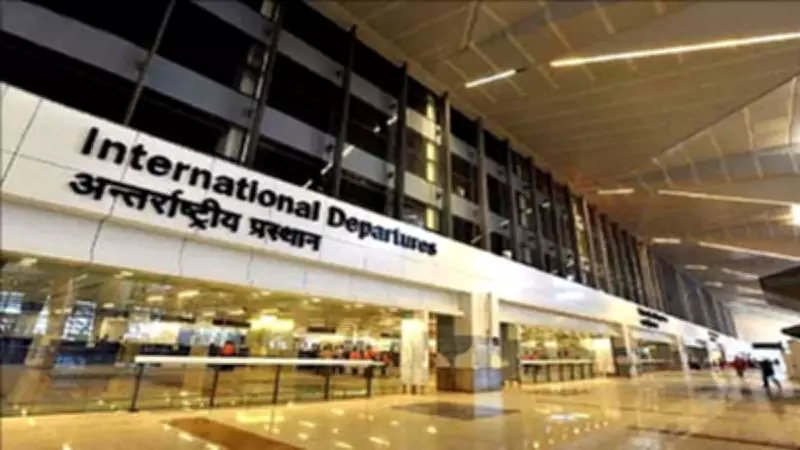
Airspace curbs imposed in the Middle East have led to significant disruptions in air travel, affecting nearly 180 flights at three of India's busiest airports: Mumbai, Delhi, and Bengaluru. The restrictions, which have been implemented due to regional tensions and security concerns, have forced airlines to reroute or cancel services, impacting thousands of passengers and causing widespread delays.
Impact on Major Indian Airports
The disruptions have been most pronounced at Mumbai's Chhatrapati Shivaji Maharaj International Airport, Delhi's Indira Gandhi International Airport, and Bengaluru's Kempegowda International Airport. These airports, which handle a large volume of international and domestic traffic, have seen flight schedules thrown into chaos as airlines struggle to adapt to the new airspace limitations.
Key affected routes include flights to and from Europe, the Middle East, and other parts of Asia, with many carriers forced to take longer alternative paths to avoid the restricted zones. This has resulted in increased flight times, higher fuel costs, and operational challenges for airlines, further exacerbating the travel woes for passengers.

Passenger Inconvenience and Airline Responses
Passengers have faced considerable inconvenience, with many experiencing last-minute cancellations, rescheduled departures, and extended layovers. Airlines have been working to accommodate affected travelers by offering rebooking options, refunds, or alternative flights, but the sheer scale of the disruptions has made it difficult to manage the situation smoothly.
Travelers are advised to check with their airlines for the latest updates and allow extra time for airport procedures, as the situation remains fluid and could change based on further developments in the Middle East.Broader Implications for Air Travel
The airspace curbs highlight the vulnerability of global aviation networks to geopolitical tensions. Such restrictions not only disrupt travel plans but also have economic repercussions, affecting tourism, trade, and connectivity. The incident underscores the need for robust contingency planning by airlines and airports to mitigate the impact of similar events in the future.
As authorities monitor the situation, it is expected that normalcy will be restored gradually, but in the interim, passengers should brace for continued disruptions and plan their journeys accordingly.