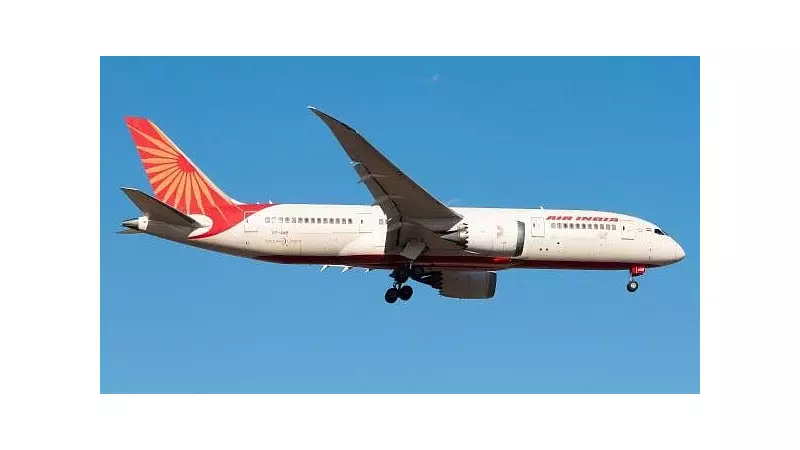
Two Air India flights bound for the United Kingdom from Mumbai were unexpectedly diverted on Sunday, causing significant travel disruption for hundreds of passengers. The cause was attributed to severe adverse weather conditions over their intended destinations, forcing the aircraft to land at alternative airports.
Details of the Flight Diversions
The first incident involved Air India flight AI 131, which was en route from Mumbai to London's Heathrow Airport. Due to poor weather conditions and strong headwinds over London, the Boeing 787 Dreamliner was compelled to divert. It safely landed at Stansted Airport, located approximately 40 miles from central London, at around 1:10 PM local time on Sunday, March 23.
Simultaneously, another aircraft, operating flight AI 171 from Mumbai to Gatwick Airport, also faced a similar fate. This flight was diverted and landed at Birmingham Airport. The diversions were precautionary measures taken by the flight crews, prioritizing passenger and aircraft safety above all else.

Passenger Impact and Airline Response
The unplanned diversions led to considerable inconvenience for the travelers on board both flights. Passengers were stranded at the alternate airports for several hours as the airline arranged for onward travel to their original destinations.
Air India promptly acknowledged the disruptions and issued a statement explaining the situation. The national carrier cited bad weather and strong winds as the primary reasons for the diversions. The airline assured that it was making all necessary arrangements to assist the affected passengers and minimize their discomfort.
The key consequences for passengers included:
- Extended travel time and significant delays.
- The need for ground transportation from Stansted and Birmingham to London.
- Potential knock-on effects on connecting travel plans.
Broader Context and Safety Protocols
Flight diversions due to weather are a standard safety procedure in aviation. Pilots and air traffic controllers continuously monitor weather patterns, and decisions to divert are made to avoid potential hazards such as storms, excessive crosswinds, or low visibility during landing.
This incident highlights the operational challenges airlines can face, especially on long-haul international routes where weather at the destination can change rapidly during the flight. Air India's decision underscores the industry's commitment to a safety-first approach, even when it results in operational delays and added costs.
Passengers on affected flights are generally entitled to certain care under aviation regulations, including refreshments and communication facilities during extended delays. Travelers are advised to stay in contact with their airline for real-time updates during such irregular operations.