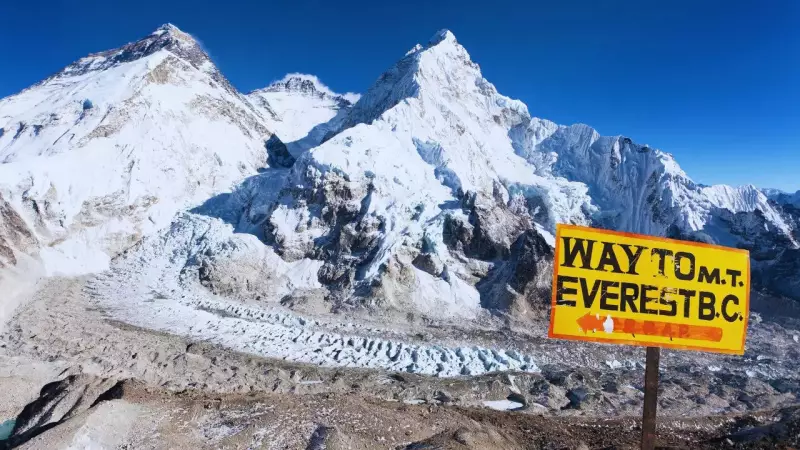
Mountains possess an undeniable magnetic pull that captures the imagination of adventurers worldwide. Some peaks attract climbers with their breathtaking beauty, others with their formidable challenges, while many stand at the intersection of history, culture, and extreme adventure. Certain summits have achieved legendary status, dominating the bucket lists of extreme adventurers who obsess over them, dream about them, train for years to conquer them, and often return repeatedly. Here are eight of the world's most popular mountain summits that continue to fascinate climbers and travelers alike.
The Ultimate Challenge: Mount Everest
No mountain captures global imagination quite like Mount Everest. Standing at an impressive 8,848.86 meters, it represents the highest point on Earth and serves as the ultimate symbol of human ambition and endurance. The Everest experience constitutes a comprehensive expedition that begins with weeks of acclimatization in Nepal's Khumbu Valley, where climbers prepare for potential avalanches and the legendary Khumbu Icefall that tests every mountaineer's nerve and skill. Reaching Everest's summit represents a lifetime achievement for many adventurers - the unparalleled experience of touching the roof of the world.
Africa's Accessible Giant: Mount Kilimanjaro
Mount Kilimanjaro in Tanzania achieves its popularity by combining massive scale with remarkable accessibility. As Africa's tallest peak at 5,895 meters, it requires no technical climbing expertise, making it the world's most climbed high-altitude summit. Kilimanjaro fascinates climbers with its five dramatic ecological zones - from lush tropical forests at the base to moorlands dotted with giant groundsels, alpine deserts featuring lunar-like rock formations, and finally glaciers at the summit. Each ascending step transports climbers into a completely different world, with the real magic awaiting at Uhuru Peak. For countless adventure travelers, Kilimanjaro serves as their inaugural major summit experience.

Japan's Spiritual Icon: Mount Fuji
Mount Fuji transcends being merely a mountain - it represents a national symbol and spiritual experience for the Japanese people. Its perfect volcanic cone, frequently adorned with snow, makes it one of the planet's most photographed and climbed peaks. Annually, hundreds of thousands of visitors ascend Fuji's well-marked routes, often climbing through the night to witness Goraiko - the sacred sunrise from the summit. The climbing experience incorporates trails dotted with shrines, torii gates, ancient stations, and volcanic rock fields, creating a journey that blends physical challenge with cultural immersion.
European Alpine Majesty
Mont Blanc, straddling the France-Italy border, stands as the crown jewel of the European Alps. At 4,808 meters, it represents the region's highest peak and remains one of the most coveted climbs for aspiring alpinists. Its enduring popularity stems from the stunning alpine scenery surrounding it - glaciers flowing like frozen rivers, sharp ridgelines, towering ice walls, and the picturesque villages of Chamonix and Courmayeur nestled at its base.
The Matterhorn's Distinctive Pyramid
The Matterhorn's magnetic appeal lies in its unique shape - a sharp, four-sided pyramid that rises almost vertically from surrounding valleys. This instantly recognizable mountain presents one of the Alps' most challenging climbs, demanding technical confidence, superior fitness, and mental grit. Thousands attempt its summit routes annually, seeking not just bragging rights but the profound experience of standing atop this legendary peak and stepping into mountaineering history.
Transition Peaks for Growing Mountaineers
Mount Elbrus in Russia forms part of the prestigious Seven Summits challenge and claims the title of Europe's tallest peak at 5,642 meters. Unlike Everest or Denali, Elbrus remains accessible to strong trekkers since its standard routes require no technical climbing skills. This makes it particularly popular among climbers transitioning from mid-altitude trekking to serious mountaineering, though its notoriously harsh weather ensures that reaching the summit remains a hard-earned achievement.

In Argentina, Aconcagua stands as the tallest peak outside Asia at 6,961 meters. Its fascination lies in the possibility of ascent without technical climbing gear, attracting trekkers who dream of reaching near-7,000-meter altitudes. The mountain's character reveals itself through wide valleys, desert landscapes, colorful sediment cliffs, and icy high passes that challenge even experienced adventurers.
North America's Formidable Giant
Denali in Alaska represents North America's highest peak and commands respect as one of the world's most challenging mountains. Its dominance derives not just from its 6,190-meter height but from its sheer vertical rise - over 5,500 meters from base to summit, exceeding even Everest's vertical gain. Climbing Denali constitutes an expedition into raw wilderness, featuring crevasse fields, sub-zero temperatures, storm systems capable of trapping climbers for days, and a striking absence of human habitation that underscores its remote, untamed nature.
These eight iconic mountains continue to captivate adventurers worldwide, each offering unique challenges, breathtaking scenery, and the profound satisfaction that comes from pushing human limits against nature's most magnificent creations. Whether seeking technical challenges, cultural experiences, or personal transformation, these summits represent the pinnacle of mountain adventure destinations that will continue to inspire generations of climbers.