For countless globetrotters, the call of the wild is the primary force driving their choice of destination. Moving beyond mere sightseeing, these travellers seek immersive encounters with nature's most magnificent creatures in their native habitats. From sprawling savannahs and dense rainforests to vibrant coral reefs and isolated islands, certain nations have carved a unique niche for themselves by offering exceptional wildlife experiences. Their reputation is built not just on biodiversity, but on how deeply wildlife is interwoven into the landscape, conservation narratives, and the very fabric of the travel experience they offer.
African Giants: The Classic Safari Experience
The continent of Africa remains synonymous with epic wildlife adventures, and three countries lead the pack.
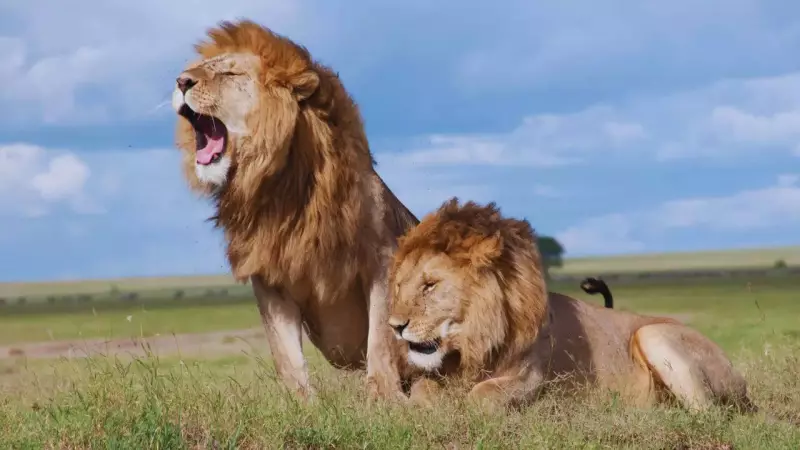
Kenya presents some of the planet's most iconic wildlife scenes. The open savannahs of the Maasai Mara set the stage for the legendary Great Migration, where millions of wildebeest and zebras undertake a perilous journey across the plains. This dramatic spectacle is a major draw for visitors worldwide. Beyond the migration, Kenyan national parks are premier locations to witness lions, elephants, giraffes, cheetahs, leopards, and rhinos thriving in their natural environment.

Neighbouring Tanzania rivals Kenya in both the diversity and sheer volume of its animal populations. The Serengeti National Park is famed for its endless grasslands and thriving predator populations. Meanwhile, the Ngorongoro Crater boasts the highest concentration of wildlife in Africa, all contained within a massive volcanic caldera. Tanzania also hosts the dramatic river-crossing events of the Great Migration, creating unforgettable moments for wildlife enthusiasts.
South Africa distinguishes itself by blending excellent wildlife viewing with robust tourism infrastructure. Kruger National Park, one of Africa's largest and most accessible game reserves, is a stronghold for the famed Big Five: lion, leopard, elephant, buffalo, and rhino. South Africa's unique offering extends beyond land-based safaris to its rich coastline, where visitors can spot whales, dolphins, seals, and even great white sharks.
Asia's Biodiversity Powerhouses
In Asia, two nations stand out for their incredible and distinct natural heritage.
India offers a wildlife experience deeply entwined with its culture and history. It is home to the world's largest population of wild tigers and is the only country where tigers, Asiatic lions, and leopards coexist in the wild. The subcontinent also shelters Asia's biggest elephant herds, the rare one-horned rhinoceros, elusive snow leopards, sloth bears, and a staggering variety of birds. Iconic parks like Ranthambore, Bandhavgarh, Jim Corbett, and Kaziranga are magnets for wildlife lovers from across the globe.
Indonesia, an archipelago of thousands of islands, boasts incredibly diverse ecosystems. It is most famous for the critically endangered orangutans found in the rainforests of Borneo and Sumatra, where conservation-focused tourism allows for ethical viewing. Komodo National Park is the sole habitat of the formidable Komodo dragon, the world's largest living lizard. Furthermore, Indonesia is a marine biodiversity hotspot, with locations like Raja Ampat containing some of the most diverse coral reef ecosystems on Earth.
Unique Ecosystems and Endemic Species
Some destinations offer wildlife found nowhere else, making them utterly unique.
Brazil is one of the planet's most biologically rich countries. The vast Amazon Rainforest houses a significant percentage of the world's known species, making it a paradise for nature enthusiasts. Here, one can hope to see jaguars, sloths, colourful macaws, pink river dolphins, and countless monkeys, amphibians, and insects. The Pantanal wetlands are globally recognized as a top destination for spotting jaguars in the wild.

Australia is a continent of fascinating endemics. Its iconic animals—like kangaroos, koalas, wombats, the platypus, and echidnas—are found nowhere else on Earth. The wildlife wonders continue offshore; the Great Barrier Reef is a mesmerising world of marine biodiversity that never fails to impress visitors with its colourful fish, corals, and other sea creatures.
Madagascar is arguably the most biologically unique place on the planet. Its long isolation has resulted in an ecosystem teeming with endemic species. The most famous residents are the many species of lemurs. The island is also a haven for rare chameleons, unusual reptiles, amphibians, and plant life that exist solely here. For travellers passionate about endemic wildlife and evolutionary history, Madagascar offers a one-of-a-kind experience.
These eight countries represent the pinnacle of wildlife-focused travel, each providing a distinct window into the natural world. Whether it's tracking a tiger in India, witnessing the great migration in East Africa, or meeting a lemur in Madagascar, these destinations promise encounters that resonate for a lifetime, highlighting the critical importance of conservation and sustainable tourism.