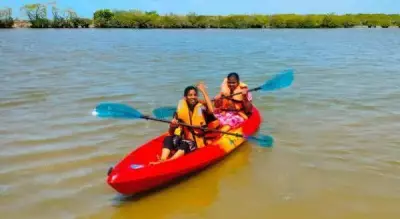
In a significant move to enhance safety standards in adventure tourism, the Uttarakhand government is launching a first-of-its-kind first-aid training program for river rafting professionals. The initiative aims to directly train 700 rafting guides and rafters, equipping them with crucial emergency response skills to handle on-river mishaps more effectively.
Program Structure and Key Partnerships
The training is scheduled to commence on January 10 in Rishikesh, the heart of India's rafting industry. It will be conducted in manageable batches of 50 participants each. To ensure expert delivery, the state's Tourism Department has forged partnerships with private firms. A formal Memorandum of Understanding (MoU) has been signed between the Uttarakhand Tourism Development Board (UTDB) and the HANIFL Centre to provide comprehensive first aid and CPR training to guides across the state.
Tourism Secretary Dhiraaj Singh Garbyal emphasized the pioneering nature of this initiative, stating it is likely the first such program in the country. "It is extremely important for people conducting adventure and water sport activities to be aware of first aid treatment and how to handle emergencies in the initial stages," Garbyal told TOI. He added that the training would also cover basic behavioural skills to improve guides' interactions with tourists.

Funding and Phased Rollout Plan
The financial model for the training is a collaborative effort. The total cost will be shared, with 25% borne by the rafting companies, another 25% by the Ganga Nadi Rotation Samiti (GNR), and the remaining 50% will be covered by the UTDB. This shared responsibility underscores the collective stake in safety.
The program will be rolled out in phases. Initially, it will be a three-day module, with plans to expand it into a more intensive week-long training in the next stage. The first phase aims to train all 700 river guides between January 10 and the end of February. This period is strategically chosen as it coincides with the lean season for rafting on the Ganga and other Himalayan rivers, minimizing disruption to commercial operations.
Economic Impact and Future Expansion
Highlighting the critical importance of the rafting sector, Garbyal noted that the Ganga is India's largest rafting hub, drawing hundreds of thousands of adventure seekers annually. "The rafting industry generates an annual turnover of over Rs 200 crore and provides livelihoods to local communities, rafting operators, and hotels," he stated.
The long-term vision is clear. "Once the training is completed, around 700 certified river guides will be available along the Ganga where rafting activities take place," Garbyal explained. He revealed that the UTDB plans to extend similar safety training to professionals involved in other adventure activities like trekking and expeditions in the future.
The secretary stressed that the need for such a program had been felt for a long time. "Even basic knowledge of first aid can save a life or prevent a medical complication from worsening. Guides are usually the first to reach the spot, and their timely assistance can make a crucial difference for visitors," he added. This proactive step is expected to set a new benchmark for safety in adventure tourism across India.