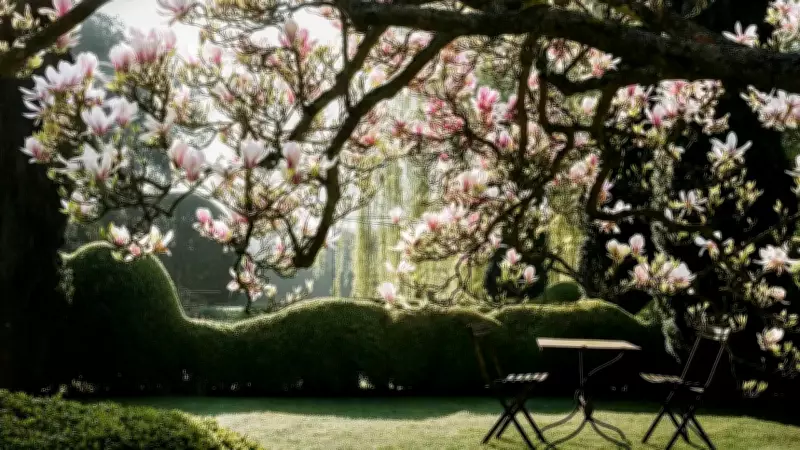
A well-designed front garden enhances your home's curb appeal and sets the tone for your property. In Britain, where space is limited and weather unpredictable, choosing the right tree can transform your entrance. The best trees offer year-round interest: spring blossoms, summer shade, autumn color, and winter bark, berries, or evergreen foliage. They must also tolerate the British climate with non-aggressive roots, rain and cold tolerance, and a shape suited to small urban spaces.
According to House & Garden, front garden trees benefit the entire street, support the environment, and bring life to urban areas. Here are seven top picks for British front gardens and how to maintain them through every season.
1. Magnolia Grandiflora
This classic tree is ideal for narrow gardens near the house. It stays upright and compact, with evergreen, shiny dark leaves all year. In summer, it produces huge, creamy, fragrant flowers. Perfect for year-round greenery.

Care tips: Mulch around the base in spring to retain moisture. Water regularly in summer, especially when young and during dry spells. In autumn, rake fallen leaves and check for pests. Protect young trees from winter winds and frost. It thrives in full sun and well-drained soil.
2. Japanese Maple (Acer palmatum)
The Japanese maple is slow-growing and graceful, fitting perfectly into small gardens. Varieties like 'Ukigumo' have soft cream, pink, or green leaves, while others turn fiery red or orange in autumn. Their form adds drama even in winter after leaf drop.
Care tips: Keep soil moist but not soggy, and mulch in spring. Protect from intense afternoon sun in open spots. Prune lightly only in late autumn or winter to avoid sap loss. Avoid heavy trimming; these maples need gentle shaping.
3. Silver Birch (Betula pendula)
Silver birch is a British favorite with white bark that glows in winter. Pale green leaves brighten spring and summer, turning gold in autumn. Its light, airy appearance suits modern gardens.
Care tips: Plant in full sun and well-drained soil; water well in the first few years. Prune only in late summer to prevent sap leakage. Keep roots free from weeds and avoid compacting the soil.
4. Cornus Mas (Cornelian Cherry)
This tree provides a boost in late winter. Tiny yellow flowers appear as early as February, before most gardens wake up. Then come lush leaves and edible red fruits that attract birds. House & Garden recommends it for nearly year-round color.
Care tips: Low-maintenance; tolerates sun or partial shade. Prune gently after flowering. Add compost in spring and water during dry spells. Works well in both formal and relaxed gardens.
5. Crab Apple (Malus 'Mokum')
Crab apples are underrated gems. 'Mokum' offers deep pink blossoms in spring, dark foliage that turns green, and rich autumn colors. It also produces decorative fruits that benefit wildlife.
Care tips: Prune lightly in winter to remove tangled branches, and feed in early spring. Young trees need regular watering. Ensure good air circulation to prevent disease; it prefers full sun.
6. Holly (Ilex aquifolium)
Holly is tough and stays green through winter. Its glossy leaves and bright berries are perfect for a classic British entrance, whether trimmed into shape or left wild. Birds love it too.
Care tips: Prune in late winter to maintain shape. It likes well-drained soil and some shade but is flexible. Female plants need a male nearby for berries. Wear gloves when pruning to avoid prickly leaves.
7. Strawberry Tree (Arbutus unedo)
For something unique, try the strawberry tree. Leaves stay green all year, white flowers bloom in autumn, and it produces red, strawberry-like fruit simultaneously. The peeling cinnamon-colored bark adds winter interest. Gardens Illustrated recommends it for small city gardens, especially in southern Britain.
Care tips: Requires well-drained soil and protection from cold winds; avoid soggy conditions. Prune sparingly, only removing damaged branches in late winter.