The Lifelines of India's Wilderness: Rivers That Define National Parks
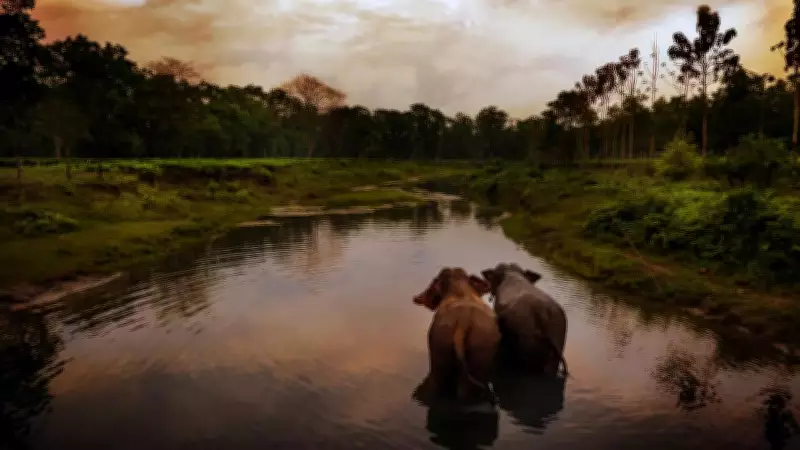
India's national parks are not merely expanses of land but dynamic ecosystems profoundly shaped by the rivers that flow through them. These waterways do far more than provide scenic beauty; they sculpt the very landscape, replenish vital grasslands, sustain crucial wetlands, and dictate the movement and survival of wildlife. During the harsh summer months, these rivers transform into essential lifelines, while the monsoon rains see them reshape entire habitats. Many of India's most iconic wildlife moments—from a majestic tiger emerging at dusk to a herd of elephants cooling off at sunset—unfold along these riverbanks. From the lush floodplains of Assam to the dense forests of central India and the high-altitude valleys of the Himalayas, rivers serve as the indispensable ecological backbone of the country's protected areas. Here, we delve into five important rivers that are fundamental to defining and sustaining Indian national parks.
Ken River – The Lifeblood of Panna National Park
The Ken River dramatically carves its way through Panna National Park, creating stunning gorges and cliffs that define the park's rugged topography. This river is a critical habitat for endangered species such as gharials and marsh crocodiles, which thrive in its waters. Moreover, the Ken River has played a pivotal role in the successful reintroduction and thriving of tigers in the park, supporting a balanced predator-prey dynamic that underscores the river's ecological importance.
Banjar River – Sustaining Kanha National Park's Meadows
Flowing through the buffer area of Kanha National Park, the Banjar River is instrumental in maintaining the region's lush meadows and dense forests. It specifically nurtures the grasslands that are home to the hard-ground barasingha, an endangered deer species. Smaller tributaries branching off from the Banjar provide essential watering points for a variety of herbivores and predators, ensuring the park's biodiversity remains robust and interconnected.

Banas River – The Seasonal Sustainer of Ranthambore National Park
Although seasonal, the Banas River has a profound impact on Ranthambore National Park, particularly within its dry deciduous forest ecosystem. Alongside historic lakes like Padam Talao, the Banas River sustains wildlife in an otherwise arid landscape. It supports marsh crocodiles, which attract herbivores, thereby drawing in the famous tigers of Ranthambore, creating a vital food chain that highlights the river's role in maintaining ecological balance.
Kabini River – The Wildlife Spectacle of Nagarhole National Park
The Kabini River and its backwaters form one of southern India's most spectacular wildlife arenas. During peak summer, receding water levels expose open grass patches along the banks, attracting large congregations of elephants, gaur, deer, and predators. Kabini is especially renowned for sightings of rare black panthers and tigers. Beyond biodiversity maintenance, the river has turned the region into a photographer's paradise, offering unparalleled opportunities to capture wildlife in its natural habitat.
Periyar River – The Core of Periyar National Park
The Periyar River has been vital in shaping the core of Periyar National Park in the Western Ghats. The construction of the Mullaperiyar Dam led to the formation of a vast artificial lake within the park, which now serves as its central feature. This lake provides a unique opportunity to spot diverse wildlife, including elephants, sambar deer, and tigers, during boat safaris, showcasing how human intervention, when managed sustainably, can enhance ecological value and wildlife viewing experiences.