5 Surprising Facts About Sagarmatha: The World's Highest National Park
Perched dramatically above the clouds in Nepal, Sagarmatha National Park holds the distinguished title of the world's highest national park, primarily because it encompasses the legendary Mount Everest. However, this UNESCO World Heritage Site offers far more than just its record-breaking altitude. It is a vibrant, living ecosystem defined by extreme conditions, rich cultural heritage, and unique environmental challenges. Here are five fascinating aspects of Sagarmatha National Park that extend well beyond its famous peak.
Home to Earth's Most Extreme Altitude Variations
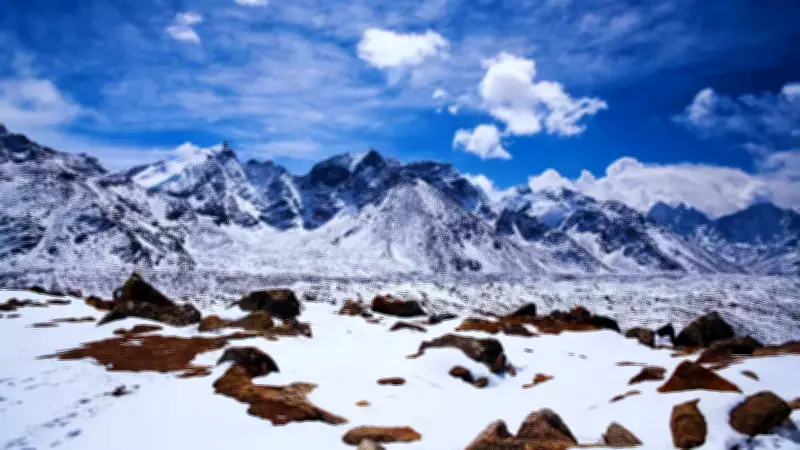
While Mount Everest is the park's most iconic landmark, Sagarmatha's true character lies in its staggering vertical range. The park spans from approximately 2,800 meters to the summit of Everest at 8,849 meters, creating one of the planet's most dramatic elevation gradients. This extreme variation compresses multiple ecological zones into a relatively compact area. Visitors can experience lush pine and rhododendron forests, expansive alpine grasslands, and ultimately, the stark, ice-covered terrain of the high Himalayas. The jagged skyline, featuring peaks like Lhotse alongside Everest, is carved by dynamic glaciers such as the Khumbu Glacier, which continuously reshape the landscape.
A Name Steeped in Spiritual and Cultural Significance
The name "Sagarmatha" translates to "Goddess of the Sky," reflecting the deep spiritual reverence local communities hold for these mountains. Similarly, Mount Everest is known locally as Chomolungma, meaning "Mother Goddess of the World." For the indigenous Sherpa people, this region is not a conquest but a sacred space to be respected. Spiritual rituals are performed before expeditions, and numerous monasteries dot the landscape, serving as vital cultural and religious centers. This profound connection highlights how the park is intertwined with the spiritual identity of its inhabitants.

One of the Few National Parks with Permanent Human Settlements
Unlike most protected areas, Sagarmatha National Park is home to permanent human communities. Villages such as Namche Bazaar thrive as bustling hubs of activity, demonstrating a centuries-old symbiotic relationship between people and this harsh environment. The Sherpa people, in particular, have developed remarkable adaptations to thrive at high altitudes, maintaining traditional lifestyles while engaging with tourism. This unique coexistence showcases a model of sustainable living within a fragile ecosystem.
Rare and Elusive Wildlife Adapted to Harsh Conditions
Despite the extreme environment, Sagarmatha supports a diverse array of wildlife, each species uniquely adapted to survive. Iconic and elusive animals like the Snow Leopard and the Red Panda call this park home, playing crucial roles in maintaining ecological balance. The avian population is equally impressive, with species such as the vibrantly colored Himalayan monal adding splashes of color to the rugged terrain. These creatures exemplify nature's resilience in one of Earth's most challenging habitats.
On the Frontlines of Climate Change
Sagarmatha National Park serves as a critical indicator of climate change impacts in the Himalayan region. Glaciers, including the massive Khumbu Glacier, are melting at accelerated rates, leading to significant environmental shifts. These changes affect water availability for millions in South Asia, alter weather patterns, and create hazardous conditions like unstable ice formations and expanding glacial lakes. The park's transformation underscores the urgent global challenge of climate change, making it a vital area for scientific study and conservation efforts.