5 Most Captivating Frozen Lakes in India: Plan a Winter Escape to These Himalayan Wonders
Winter brings a magical transformation to India's landscapes. Snow blankets the mountains, and crisp air invites adventure. Many city dwellers feel a strong pull to escape urban chaos. They seek places with fresh air and stunning natural beauty. Among India's many attractions, frozen Himalayan lakes stand out as particularly mesmerizing destinations.
These icy wonders offer more than just visual appeal. They combine breathtaking scenery with cultural significance and thrilling experiences. Here are five frozen lakes you should definitely consider for your next winter vacation.
Gurudongmar Lake, Sikkim
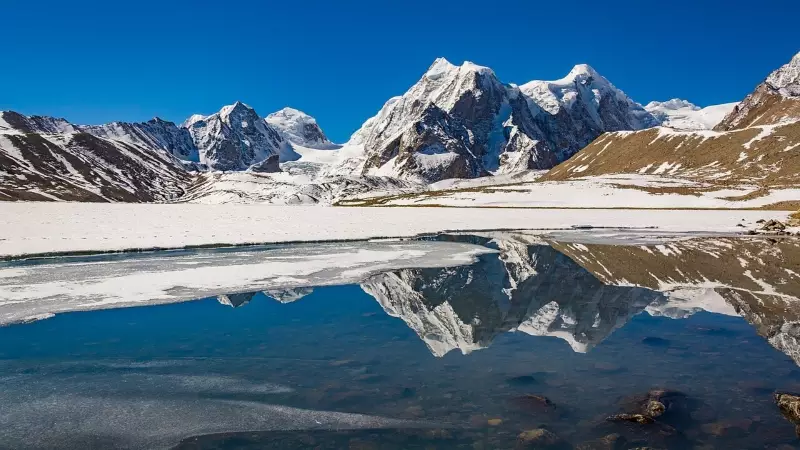
Gurudongmar Lake sits at an incredible elevation of about 5,430 meters in North Sikkim. This makes it one of India's highest lakes. But its importance goes far beyond altitude. The lake holds deep spiritual meaning for both Buddhist and Sikh traditions.

From November through mid-May, Gurudongmar freezes completely. It forms a striking sheet of ice across the landscape. Local legends tell a fascinating story. They say Guru Padmasambhava blessed the lake long ago. His blessing ensures one portion never freezes, even in the coldest weather.
This open spot provides vital water for local villagers and their yaks. Sikh tradition adds another layer to the lake's story. Followers believe Guru Nanak visited here. He reportedly broke the ice with his staff and declared that anyone drinking from the lake would receive blessings.
Beyond spirituality, Gurudongmar plays a crucial ecological role. It contributes to the source streams of the Teesta River, supporting the region's water systems.
Tsomgo (Changu) Lake, Sikkim
Also known as Changu Lake, Tsomgo rests at about 3,753 meters in Sikkim's Gangtok district. This glacial lake freezes solid during harsh winter months. The ice sometimes persists until May, creating a spectacular frozen landscape.
Local Sikkimese people attach great cultural importance to Tsomgo Lake. Monks believe the water reflects spiritual omens. They watch carefully for signs in its changing colors. These seasonal transformations become even more dramatic when surrounded by ice and snow.
The lake's frozen beauty attracts visitors seeking both natural wonder and cultural insight. Its accessibility from Gangtok makes it a popular winter destination for those wanting to experience Himalayan magic without extreme trekking.
Suraj Tal, Himachal Pradesh
Suraj Tal, sometimes called Surya Tal, lies in Himachal Pradesh's Lahaul and Spiti district. It sits just below the Baralacha La Pass at around 4,890 meters elevation. Glaciers feed this long, narrow lake throughout the year.
During winter, Suraj Tal freezes completely. It transforms into a hauntingly beautiful frozen plain. The high altitude and proximity to glacier sources create a crystalline, isolated landscape. This appeals strongly to adventurers and trekkers.
These visitors seek high-altitude serenity and challenging winter conditions. Suraj Tal offers both in abundance. The frozen lake provides a stark, peaceful setting far from crowded tourist spots.
Chandratal, Himachal Pradesh
People often call Chandratal the "Moon Lake" because of its distinctive crescent shape. It rests at approximately 4,300 meters in Himachal Pradesh's Spiti Valley. From December through March, Chandratal freezes solidly.
Trekkers and campers particularly love this destination. But winter reveals Chandratal's most otherworldly beauty. Snow-draped mountains surround the frozen surface. Cold, clear skies above create perfect conditions for silent reflections.
The combination produces a truly magical Himalayan winter scene. Visitors describe feeling transported to another world when standing beside the frozen crescent under starry skies.
Roopkund, Uttarakhand
Roopkund earns its nickname "Skeleton Lake" for very good reason. It sits at about 5,020 meters in Uttarakhand, nestled between Trishul and Nanda Ghunti peaks. Winter completely freezes Roopkund, burying it beneath snow and ice.
What makes this lake especially intriguing involves hundreds of mysterious human skeletons. These remains lie scattered around its edges. Their origins puzzle scientists and historians alike.

This chilling yet fascinating sight draws trekkers undertaking the challenging Roopkund trek. The frozen lake combined with its mysterious skeletons creates an eerie yet compelling appeal. Visitors experience both natural beauty and historical mystery in one unforgettable location.
These five frozen lakes showcase India's diverse winter wonders. They offer spiritual journeys, adventurous treks, cultural insights, and breathtaking scenery. Each destination provides unique reasons to brave the cold and explore Himalayan magic.
Planning a winter escape to any of these lakes requires careful preparation. Check weather conditions, obtain necessary permits, and consider altitude acclimatization. Proper planning ensures a safe and memorable experience exploring India's frozen Himalayan treasures.