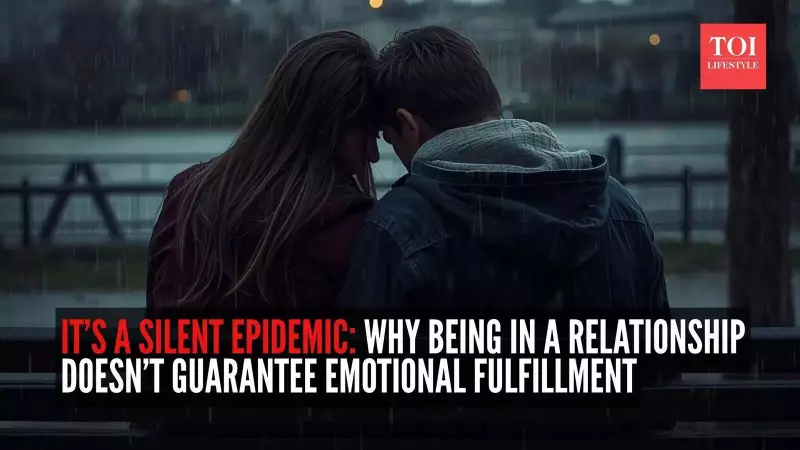
The Silent Epidemic of Lonely Togetherness
She lives with him, laughs with him, and goes through the daily motions of life together. Friends believe they're happy. Family assumes they're content. Yet, in the quiet darkness of night, she feels it—the subtle distance, the emptiness that no conversation, dinner, or weekend getaway can truly fill. He senses it too, though neither knows how to bridge this invisible gap.
A Widespread but Hidden Reality
This scenario represents a silent epidemic affecting millions in long-term relationships and marriages. From the outside, everything appears perfectly fine, but internally, individuals feel unseen, incomplete, or quietly lonely. We are culturally conditioned to believe a simple narrative: find the right person, and your life will feel whole. Love is portrayed as the ultimate healer. But what happens when this promise remains unfulfilled?
Expert Insight from Dr. Chandni Tugnait
We spoke with Dr. Chandni Tugnait, a renowned psychotherapist, life coach, and relationship expert, to understand this phenomenon. She explains, "Many people enter relationships with a quiet belief that once they're with someone—especially in a committed, long-term arrangement—their emotional emptiness will finally disappear. They expect loneliness to soften, insecurities to calm, and life to feel fuller."

"When this doesn't happen, confusion sets in," she continues. "People begin questioning themselves or their relationship. The truth is that being in a relationship doesn't automatically lead to emotional fulfillment."
Why Love Cannot Heal Unaddressed Wounds
It's fundamentally human to hope that love will soothe insecurities, calm restlessness, and fill internal voids. However, Dr. Tugnait clarifies a crucial distinction: "A partner can offer love, care, and support, but they cannot regulate your emotions for you or heal wounds that existed long before they entered your life. When a relationship is expected to constantly reassure, stabilize, or complete someone, it gradually becomes burdensome rather than nourishing."
This pressure can transform love into a heavy obligation. While reassurance might provide temporary relief, the underlying emptiness persists if internal work is neglected. Unresolved emotional gaps often travel silently from one relationship to the next unless consciously addressed.
The Erosion of Connection Through Unspoken Needs
Another reason fulfillment remains elusive is that many emotional needs are never verbally expressed. People frequently assume love includes mind-reading—that partners will instinctively know what hurts, what helps, and what's needed. "Emotional needs often remain unspoken," notes Dr. Tugnait. "When this happens, disappointment builds quietly over time. Individuals feel unseen, even though they never clearly articulated what they needed to feel recognized."
The consequence is emotional distance. This isn't due to a lack of love, but rather incomplete communication and unheard desires.
The Repetition of Childhood Patterns
Some emotional discomfort isn't new; many adults unconsciously recreate patterns from their childhood. Emotional distance, unpredictability, or even chaos can feel familiar or exciting while simultaneously blocking genuine fulfillment.
"Many relationships repeat familiar emotional patterns," Dr. Tugnait observes. "What feels intense or magnetic isn't always healthy. When relationships mirror early emotional experiences, they can feel powerful yet remain deeply unfulfilling."
Intensity can mask the absence of emotional safety. Without this foundational safety, closeness stays superficial, leaving partners feeling empty even when physically together.
Together Yet Emotionally Alone
Physical proximity, shared routines, or even deep affection doesn't guarantee emotional fulfillment. What truly matters is safety—the ability to be honest, vulnerable, and emotionally authentic.
"You can be with someone every day and still feel emotionally alone," Dr. Tugnait states. "Fulfillment depends on safety, not just presence. Without safety, people remain guarded, and connections stay surface-level."

In today's digital age, love is often presented with social media gloss, Instagram-perfect couples, and constant pressure to appear connected. However, genuine intimacy isn't about appearances; it's about being truly seen and feeling secure in that authenticity.
The Modern Love Dilemma
Urban love is frequently portrayed as effortless, yet reality tells a different story. We scroll through feeds of seemingly happy couples and assume that if love exists, fulfillment will automatically follow. But countless couples, even after years together, grapple with the quiet ache of unmet needs, unspoken expectations, and emotional disconnection.
The paradox is striking: you can be fully immersed in someone else's world and still feel like a stranger in your own.
Fulfillment Begins From Within
Here's the empowering truth: recognizing that love can't complete you doesn't diminish relationships' meaning. In fact, it opens the door to extraordinary love—the kind that enhances your life rather than serving as your lifeline. Being emotionally whole independently allows a relationship to magnify joy, growth, and connection instead of masking pain or filling emptiness.
"When two people are willing to show up with awareness, honesty, and responsibility for their own inner worlds, togetherness can feel deeply nourishing rather than empty," says Dr. Tugnait.
This isn't merely theoretical. Consider a couple who has learned to communicate openly, manage expectations, and respect each other's emotional space. They laugh more genuinely, resolve conflicts less destructively, and feel safer being their authentic selves. Love amplifies the life they've already built individually.
The Uncomfortable Reality
Love is profoundly human—it can be grounding, transformative, and healing. But it isn't a universal cure. Expecting a partner to fill inner emptiness only leads to quiet disappointment.
Togetherness alone doesn't create fulfillment. Emotional wholeness starts within, through reflection, honesty, and personal responsibility.
Love doesn't complete us; it reflects us. When partners look inward as well as at each other, relationships stop feeling empty and start feeling genuinely real.