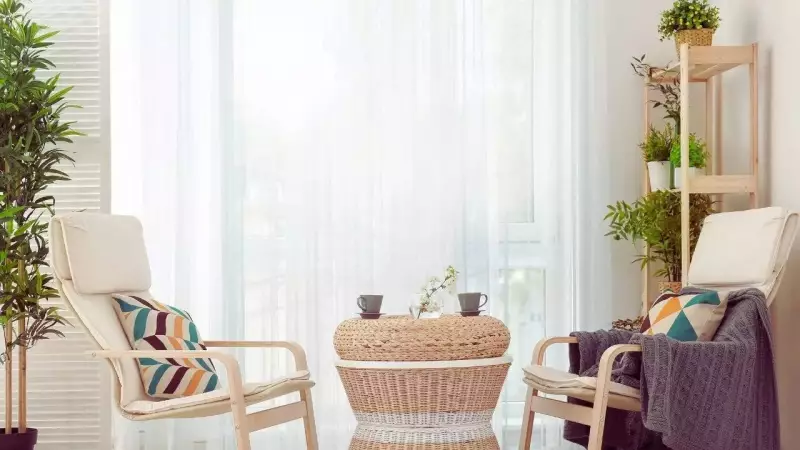
How Room Design Changes as We Age
Our connection with living spaces evolves throughout our lives. A bedroom that once felt cozy and functional can gradually transform into an obstacle course. For older adults, navigating familiar rooms may become exhausting, difficult, or even hazardous. This reality makes thoughtful home design particularly crucial for seniors, especially in their personal living areas.
Good design transcends mere aesthetics or luxury. It becomes a matter of daily dignity, independence, and genuine comfort. As people advance in years, they often face mobility challenges, diminished eyesight, balance issues, joint discomfort, and increased sensitivity to light and temperature fluctuations.
A carefully planned room can significantly reduce fall risks, simplify everyday activities, and foster feelings of security rather than dependence. Whether constructing a new residence or renovating an existing one, dedicating special attention to spaces for seniors proves essential.

Five Critical Considerations for Senior Room Design
Here are five fundamental aspects to prioritize when creating a room for an older person, complete with explanations of their importance.
1. Prioritize Safety Above All
Falls represent one of the most significant dangers for elderly individuals. Slippery floors, sharp furniture edges, loose rugs, or inadequate lighting can turn simple movements into serious accidents.
Choose flooring materials wisely. Matte-finish tiles or wood floors with enhanced grip work best. Avoid area rugs or carpets that might curl at the edges. Select furniture that is sturdy, stable, and arranged to allow clear movement paths.
Install grab bars near the bed and along walls, particularly close to bathrooms. Position electrical switches at accessible heights, eliminating the need for excessive bending or stretching.
2. Ensure Easy Access and Movement
Seniors should navigate their rooms without unnecessary difficulty. Ideally, locate the room on the ground floor to minimize stair use. Doorways require sufficient width to accommodate wheelchairs or walkers.
Furniture height matters greatly. A bed that sits too low makes rising challenging, while an excessively high bed increases fall risk. Chairs with supportive armrests facilitate easier sitting and standing.
Maintain clear, unobstructed walking paths throughout the room. This reduces physical strain and prevents confusion during movement.
3. Provide Appropriate Lighting for Aging Eyes
Vision typically declines with age, and sensitivity to glare increases. A senior's room needs layered lighting solutions.
Maximize natural daylight exposure. For evenings, incorporate soft yet bright artificial illumination. Warm, evenly distributed lights prove preferable to harsh bright white bulbs.
Place bedside lamps with easily reachable switches. Install night lights along floor paths and in bathrooms to prevent nighttime mishaps. While windows should admit ample light, use curtains or blinds to control excessive glare.
4. Maintain Comfortable Temperature and Airflow
Older adults often exhibit heightened sensitivity to temperature variations. Rooms that become too hot or too cold can adversely affect their health.
Ensure proper cross ventilation. Windows should operate smoothly and safely, allowing easy adjustment without risk of injury.
5. Foster Emotional Comfort and Familiarity
A senior's room should never feel clinical or institutional. Incorporate familiar furniture pieces, family photographs, cherished books, religious items, or personal mementos. These elements provide emotional solace and connection.
This sense of familiarity alleviates anxiety and loneliness, especially for seniors who spend considerable time indoors. Color selection also plays a role. Soft, warm hues tend to be more soothing and easier on aging eyes compared to very dark or intensely bright colors.
Design storage spaces that are simple and well-organized, enabling seniors to locate their belongings without frustration.

The Importance of Forward Planning
Successful design requires anticipation. Even if seniors remain active today, their needs will likely change over time. Incorporating senior-friendly features from the initial planning stage saves considerable expense and effort on future modifications.
A well-designed senior room promotes independence, reduces health risks, and enhances overall quality of life. Most importantly, it demonstrates care through practical, daily actions rather than just words.
A home that genuinely respects comfort, safety, and dignity allows seniors to age gracefully in an environment that actively supports their wellbeing.